
How to Anchor a Boat: A Safe Step-by-Step Guide
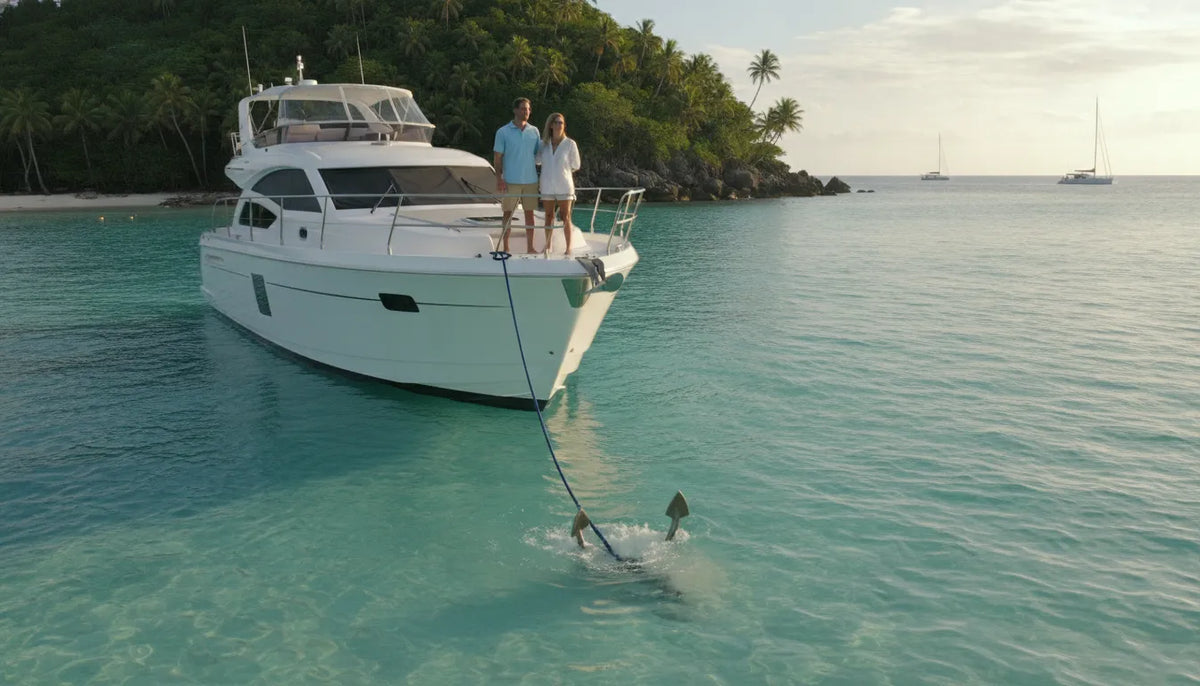
Anchoring is a team task. The helm, the crew handling the rode, and the person keeping watch all need to understand what happens next. A simple plan can help prevent rushed decisions, tangled lines, and unsafe movements at the bow. If you’re learning how to anchor a boat, start by understanding the full process: choose a suitable spot, approach slowly, lower the anchor under control, and check that it holds. This guide covers those steps in plain language, along with practical tips for choosing an anchor, calculating scope, monitoring your position, and retrieving the gear without putting extra strain on your windlass.
Key Takeaways
- Check your full anchoring setup before departure: Match the anchor and rode to your boat and usual seabeds, then inspect connections, deck hardware, and windlass.
- Assess the anchorage before dropping anchor: Review charts, depth, tides, weather, local rules, bottom conditions, and room for your boat to swing.
- Set and monitor the anchor carefully: Pay out suitable scope, secure the rode at the bow, confirm the anchor holds, and keep checking your position as conditions change.
What Gear Do You Need to Anchor a Boat?
A dependable anchoring setup includes more than an anchor. The anchor, rode, connections, and deck hardware all need to work together and suit your boat and the places you plan to stop. Inspect the setup before leaving the dock, and make sure everyone aboard understands their role. If you use an electric windlass, check its wiring and controls as part of your routine equipment check. Apollo Lighting’s marine electrical components can help with boat electrical projects and upkeep.
Choose an anchor for your boat, seabed, and conditions
Choose an anchor based on your boat’s size and design, the seabed where you usually stop, and the conditions you may encounter. Start with the anchor manufacturer’s sizing recommendations for your vessel. Then consider how often you anchor, whether you handle the anchor by hand, and whether your boat has a windlass suited to its weight and chain.
A fluke-style anchor, often called a Danforth, is lightweight and can hold well in sand and mud. Other designs may be a better fit for grass, rock, or mixed bottoms. No anchor type performs equally well everywhere, so check its strengths and limits before buying. This guide to common anchor types can help you compare options. If you regularly visit different kinds of anchorages, a second anchor designed for another seabed may be useful.
Match the anchor to the bottom; no single type works everywhere
An anchor needs to dig into the seabed to hold, and bottom conditions vary from one anchorage to another. Sand and mud often suit fluke-style anchors, while grass, rock, or a mixed bottom may call for a different design. Check charts and local cruising information before choosing a spot, and remember that the bottom can change across a single anchorage.
Think about the places you visit most often. Choose a primary anchor suited to those conditions, then consider a second type if you regularly anchor on a different bottom. Local anchoring rules matter too: check restrictions and avoid protected areas. West Marine’s anchor selection guide explains how seabed conditions can affect anchor choice. When you’re unsure about a location, seek local advice and choose a spot where your anchor can set reliably.
Inspect the anchor, rode, chain, shackles, bow roller, windlass, and cleat
Check the full anchoring system before each trip. Look for cracks, bends, or heavy corrosion on the anchor, and inspect the chain for worn, damaged, or distorted links. Check rope for cuts, fraying, stiffness, and damaged splices. Make sure shackles are correctly sized, undamaged, and secured so their pins cannot work loose.
Test the bow roller for smooth movement and visible damage, and check that the anchor can pass through it and stow securely. If you use a windlass, confirm that it runs properly and that its controls and electrical connections look sound. Check the bow cleat for movement, cracks, or other damage, since it must secure the rode when the anchor is set. Replace questionable parts before heading out, and match replacement gear to your boat and equipment specifications.
Choose rope-and-chain or all-chain rode; check its load rating and condition
The rode connects the anchor to your boat, so its length, material, and condition are important. A rope-and-chain rode combines rope with a chain section near the anchor. An all-chain rode uses chain throughout. The right setup depends on your vessel, anchoring habits, windlass, and available storage.
Check the rode’s load rating against the needs of your boat and anchoring equipment. Inspect rope for cuts, fraying, stiffness, and damaged splices. Look over chain for corrosion, worn links, or deformation, and confirm that it is compatible with your windlass if you use one. Follow the equipment manufacturer’s guidance when choosing rode, chain, and connectors. This overview of anchor rode and marine anchors explains why the connection between anchor and vessel deserves careful attention.
Prepare gloves and an optional trip line; assign everyone a role
Keep sturdy gloves within reach so crew can handle rope and chain with added protection. An optional trip line can help recover an anchor that catches on the bottom, but use one only when it suits the location and your anchor. Follow the anchor maker’s instructions, and consider whether the line could create a hazard for swimmers or nearby boats.
Before dropping anchor, tell everyone who will steer, who will handle the rode, and who will watch for nearby boats and obstacles. Agree on clear commands that everyone can hear over the engine. Keep hands and feet clear of moving rope, chain, and windlass parts, and never wrap rode around a hand. A quick crew briefing helps everyone focus on their task and respond calmly as the anchor is deployed.
How Do You Choose a Safe Anchorage?
A safe anchorage gives your anchor a suitable bottom to hold in and your boat enough room to move as wind or current changes. Before you approach, check a current nautical chart and local guidance. Look beyond the exact spot where you plan to drop: nearby shoals, channels, reefs, moorings, and other vessels can all affect your choice.
Consider how the conditions may change during your stay. The tide may rise or fall, wind may shift, and current may strengthen. A sheltered spot in calm weather could become exposed later, so check the forecast for the full time you expect to be anchored. It’s also helpful to identify another suitable location in case conditions change.
A marine chartplotter can help you review depth, hazards, and your position. Use it alongside current local information and what you observe on the water. Before dropping anchor, confirm that anchoring is allowed, the bottom suits your anchor, and your boat has room to swing clear of nearby vessels, shore, and hazards.
Check charts, depth, tides, weather, and anchoring rules
Start with a current nautical chart and review the depth across the anchorage, not just at your planned drop point. Account for the tide throughout your stay. A spot with comfortable clearance at high water may become too shallow later, and changes in depth affect how much rode you’ll need. Note channels, shoals, reefs, mooring fields, and marked underwater hazards.
Check the forecast for wind direction and strength, including expected shifts. Local notices and posted signs can identify no-anchoring zones, seasonal restrictions, or other rules that may not appear on your chart. The NOAA nautical chart resources can help you review chart information and plan around hazards. Check current local guidance too, since regulations and conditions vary by location.
Choose a bottom the anchor can grip; avoid coral, seagrass, and protected areas
The seabed plays a major role in how well an anchor sets. Sand and mud often suit fluke-style anchors, while other designs may work better in different or mixed bottoms. Check chart notes and local knowledge for seabed information, then consider whether your anchor is suited to it. West Marine’s anchor guide explains how bottom conditions can inform anchor choice.
Avoid anchoring on coral, seagrass, or other sensitive habitat. These areas may be protected, and an anchor or rode can damage them. Look for a clear patch of permitted bottom where the anchor can make contact and hold. If you can’t confirm the bottom or find a suitable location, choose another anchorage rather than guessing.
Consider wind, current, exposure, and changing conditions
Assess how wind and current affect the anchorage. They may push your boat in the same direction or work against each other, and their force can change during your stay. Consider whether the area offers shelter from the forecast conditions, and whether nearby land, shallow water, or passing vessels could cause uncomfortable movement.
Choose an anchor suited to the likely bottom and conditions, then keep checking the forecast. Plow and scoop anchors are often used across varied bottoms and may reset more easily when wind or current shifts, according to West Marine’s anchor selection guidance. No anchor eliminates the need to monitor your boat and reassess if conditions change.
Leave room to swing clear of boats, shore, and hazards
Your boat will move around the anchor as wind or current changes. Before selecting a drop point, allow room for that movement. Consider your boat’s length, the amount of rode you plan to use, and the distance to other vessels, shore, shallow water, rocks, reefs, channels, and fixed structures. A seemingly open spot may be too tight once you account for the boat’s full swing.
Check whether nearby boats are anchored or secured to moorings, since they may move differently from your vessel. The wrong anchor or location can lead to dragging and create unsafe conditions, as Lippert’s anchor guide notes. If there isn’t enough room for your boat to swing clear of others and nearby hazards, select another spot.
How Should You Approach the Anchor Spot?
A careful approach gives you time to assess conditions, position the boat, and communicate with the crew. Before entering the anchoring area, agree on simple instructions so everyone knows when to prepare and when the anchor will go down. Keep a lookout for nearby boats, swimmers, and other hazards as you maneuver.
Identify wind and current; approach against the stronger force
Check the wind and current before you enter the anchoring spot. Notice how each affects the boat, especially if they’re moving in different directions. Approach with the bow facing into whichever force is stronger. This helps you maintain control as you slow down and prepare to deploy the anchor.
Watch for changing wind direction, wakes, and the movement of nearby boats. Conditions may shift while you anchor, so leave enough room to adjust your position. If you’re unsure how the boat will respond, pause outside the drop area and reassess before moving in. BoatUS demonstrates this approach in its guide to anchoring a boat.
Slow down and stop over the planned drop point
Reduce speed well before reaching the spot where you plan to lower the anchor. Make your final approach slowly, keeping the bow pointed into the stronger wind or current. When you reach the planned drop point, bring the boat to a stop and let the crew know you’re ready.
Avoid lowering the anchor while the boat is moving quickly. A fast-moving boat can cause the rode to run out abruptly or pile up on the bottom. After the anchor is lowered, pay out rode as the boat moves slowly astern. Before doing so, check that the area behind you is clear and that the crew understands their roles.
Keep the bow into the wind or current as you prepare to deploy
Keep the bow facing into the wind or current as you prepare to lower the anchor. Use small engine adjustments to hold position, then allow the boat to move back gradually as you pay out rode. This gives you more control and helps keep the rode aligned with the bow.
Ask a crew member to watch the surroundings and communicate with the person handling the anchor. If the boat swings sideways or drifts away from the planned line, pause and reposition before lowering the anchor. Clear instructions help everyone coordinate safely. The Indiana Boater Safety Course covers anchoring procedures.
Anchor from the bow, not the stern; keep hands and feet clear of the rode
Lower the anchor from the bow, where the boat is designed to handle the pull of the rode. Anchoring from the stern can reduce stability, particularly in waves or strong current. Keep the rode clear of hands, feet, and loose gear as it runs out, and never step into a coil. A sudden pull can tighten the rode quickly.
Keep other crew members clear of the anchor’s path and working area. Once you have paid out enough rode, secure it to a bow cleat before applying engine power to set the anchor. Follow the boat and windlass manufacturer’s instructions, and avoid using the windlass to pull the boat toward the anchor.
How Much Anchor Rode Should You Let Out?
The amount of anchor rode you pay out is called the scope. It affects the angle of pull on the anchor and helps determine whether it can hold securely. Use these steps to estimate the right amount, then account for conditions at your anchorage.
Calculate scope from the bow roller’s height above the seabed, not water depth alone
Scope compares the length of rode you pay out with the vertical distance from the bow roller to the seabed. Water depth is only part of that distance: include the height of the bow roller above the water as well.
For example, if the water is 10 feet deep and the bow roller sits 3 feet above the surface, the total distance is 13 feet. At a 5:1 scope, you would pay out about 65 feet of rode. This longer rode helps keep the pull on the anchor shank closer to horizontal, which can help the anchor set and hold. For more detail on anchor rode and scope, check guidance for your anchor and rode setup.
Start near 5:1 in settled conditions; use 7:1 or more when needed
A 5:1 scope is a common starting point in settled conditions when using chain rode. Rope rode may call for 7:1 or more. These figures are general guidelines, so check the recommendations for your anchor, rode, and boat before setting out.
Consider paying out more rode if wind or current may strengthen, or if conditions are expected to change. A longer scope can keep the pull on the anchor more horizontal, but it also gives the boat a wider area in which to swing. Before adding rode, check that your boat will remain clear of nearby vessels, shore, and other hazards. Use the amount that gives the anchor room to hold while keeping your boat safely within the available anchorage.
Adjust for tide, depth changes, wind, current, rode type, and swing room
The distance from your bow roller to the seabed can change during your stay. A rising tide increases that distance, so consider the highest expected water level when estimating scope. Wind and current also affect the load on your anchor. Check local conditions before anchoring, and reassess if the weather, tide, or current shifts.
Rode type and available swing room matter too. Chain and rope behave differently under load, so follow the guidance for your specific equipment. Allow enough space for your boat to swing without crossing another vessel’s rode or drifting toward hazards. This guide to anchor choice and seabed conditions can help you consider how the bottom and conditions affect holding.
Mark or measure the rode, follow equipment guidance, and obey anchorage limits
Use marked rode or another reliable way to measure how much you pay out. If someone is helping at the bow, agree on clear signals and communicate the amount as it goes out. Knowing the length makes it easier to set a consistent scope and retrieve the rode later. Keep hands and feet clear of moving rode, and operate the windlass according to its instructions.
Check recommendations for your anchor, rode, and windlass, since equipment and boat setups vary. Follow local anchoring rules as well, including restrictions on anchoring locations and available space. These rules may protect sensitive seabed areas or keep channels clear. Review relevant anchor and rode guidance before choosing where to settle.
How Do You Lower and Set the Anchor?
Lower the anchor under control; never throw it overboard
Stop over the planned drop point with the bow facing into the wind or current. Lower the anchor from the bow at a steady pace, following the instructions for your anchor and boat. Throwing it overboard can cause the rode to tangle, land in a pile, or catch on equipment.
Keep hands, feet, clothing, and loose gear clear of the chain and rope as they run out. If you use a windlass, stay where you can watch the anchor and rode. It also helps to have one person handle the anchor while another watches the boat’s position and communicates with the helm. BoatUS’s anchoring demonstration shows how to lower an anchor in a controlled way.
Pay out rode as the boat moves slowly astern; prevent piles and tangles
Once the anchor reaches the seabed, let the boat drift or move slowly astern as you pay out rode. This helps the rode extend along the bottom instead of collecting in a heap on top of the anchor. Keep a steady pace and watch for snags, crossed line, or rode gathering beneath the bow.
Pay out the amount you calculated for the depth and conditions. A scope of about 5:1 is a common starting point in settled conditions, while stronger wind or current may call for more rode if the anchorage allows. Remember to account for the height of the bow roller above the seabed. The Indiana Boater Safety Course’s anchoring guidance explains how to pay out rode as the boat moves astern.
Secure the rode to a bow cleat before applying engine power
Once you have let out the planned amount of rode, secure it to a properly sized bow cleat before testing the anchor with the engine. Follow your boat’s instructions for securing the rode, and make sure it is seated so it cannot slip free. Keep the load at the bow, where the boat is designed to handle it.
Never wrap the rode around your hands or stand over it while it is under tension. If your setup includes a chain stopper or snubber, use it according to the manufacturer’s guidance. Before shifting into gear, check that everyone is clear of the rode and that the area around the boat is safe.
Back down gently to set the anchor, then check that it holds
With the rode secured at the bow, use reverse at low power to apply steady pressure. Avoid sudden acceleration, which can jolt the rode and strain the anchor or deck hardware. Let the line come under tension gradually as the boat moves astern. The anchor should grip the seabed and hold the boat in position.
When the rode is taut, compare your position with fixed landmarks on shore. If the boat continues to move, the anchor may be dragging. Ease the load, retrieve it, and reset the anchor rather than assuming it will hold. Check your position again after setting and throughout your stay. BoatUS’s anchoring guide demonstrates testing an anchor with gentle reverse power.
Use the windlass to handle rode, not to pull the boat toward the anchor
A windlass raises and lowers the anchor and rode. It is not designed to pull the boat forward against wind or current. When retrieving the anchor, use the engine to move slowly toward it while the windlass takes in slack rode. Follow the windlass manufacturer’s instructions and keep the rode clear as it comes aboard.
If the rode becomes tight, stop taking it in and use the engine to reduce the load before continuing. Pulling the boat toward the anchor with the windlass can strain the equipment and its mounting. Keep everyone clear of the chain, rope, and moving parts. A steady pace helps protect the gear and keeps retrieval controlled.
How Can You Tell If the Anchor Is Holding?
An anchor can seem secure while the boat slowly drifts. Check several signs together: shore references, your position on a GPS or chartplotter, and the rode’s movement. Confirm the anchor is set before settling in, then repeat these checks during your stay. Wind, current, and tide can change, so keep watch even when the boat initially appears steady.
Check fixed landmarks and confirm your position with GPS or a chartplotter
Choose two fixed references, such as a point on shore or a building, and note how they line up from the boat. Check those bearings again after setting the anchor. If the references steadily shift in the same direction, the boat may be dragging rather than simply swinging around its anchor.
Use GPS or a chartplotter to check your position, too. Compare readings over time, allowing for normal swinging and small variations in GPS accuracy. The BoatUS anchoring guide recommends checking visual bearings periodically. Using both visual references and position data gives you a more complete picture. If you use a chartplotter from Apollo Lighting, review its position display and alarm settings before anchoring.
Watch the boat’s bearing, position, and rode tension for signs of dragging
Watch for a steady change in position, especially if the boat keeps moving in one direction instead of swinging with the wind or current. Nearby boats may provide a useful comparison, but don’t rely on them alone. They may be anchored in a different location or respond differently to the conditions.
Check the rode as well. Its angle and movement can change as the boat swings, but a sudden slack line, repeated jerking, or an unexpected change in tension may indicate that the anchor has shifted. The Indiana Boater Safety Course’s anchoring guidance advises watching nearby objects for position changes that may signal dragging. If several signs appear together, alert everyone aboard and assess your position and surroundings promptly.
Recheck the anchor after setting and throughout your stay
After backing down gently to set the anchor, compare your position with the landmarks you chose. Give the boat time to settle, then make sure it stays within its expected swing area. Check again if the wind or current changes, since the boat may point in a new direction even when the anchor is holding.
During your stay, check that the rode remains secure and clear at the bow. Make regular visual checks rather than assuming the anchor is holding because it felt firm when set. The small-boat anchoring guide recommends checking the line and watching nearby boats and shore references for movement. Recheck promptly when conditions change or if you leave the helm unattended.
Set an anchor alarm when useful, but don’t rely on it alone
An anchor alarm can alert you if your GPS position moves beyond a distance you set. It can be useful when you’re below deck, resting, or keeping watch in reduced visibility. Set it after confirming the anchor is secure, and choose a radius that allows for the boat’s normal swing while still giving you time to respond to a real drift.
Treat the alarm as an extra layer of awareness, not proof that the anchor is holding. GPS readings can vary, and an alarm won’t assess nearby hazards or changing wind and current. Continue checking your visual bearings, chartplotter position, and rode. Before relying on an alarm, read your equipment’s instructions and learn how it handles position changes and alerts.
What Should You Do If the Anchor Drags?
If your boat moves beyond its usual swing, treat it as a safety concern. Alert everyone aboard, check what’s around you, and act before the boat drifts closer to another vessel, shore, or a hazard.
Alert everyone aboard and check for nearby boats, shore, and hazards
Tell everyone aboard that the anchor may be dragging. Ask them to stay clear of the rode and be ready to move. Check for nearby boats, shorelines, rocks, shallow water, and other hazards. Before starting the engine or changing position, make sure the area around the boat is clear. If possible, assign someone to keep watch while you manage the anchor.
Keep clear of a rode that is under tension, and avoid rushing to handle it by hand. If the boat is at immediate risk of collision or grounding, focus on moving to a safer position rather than troubleshooting the anchor. Clear communication and awareness of nearby hazards help everyone respond safely, as Lippert’s anchoring guide advises.
Recheck the seabed, scope, wind, current, and swing room
Once you’ve assessed the immediate risk, consider why the anchor may have lost its hold. Is the seabed suitable for your anchor? Is there enough rode out for the depth and conditions? A shift or increase in wind or current can put more strain on the anchor. Check whether the boat has room to swing without reaching nearby vessels, shore, or underwater hazards. West Marine’s anchoring advice can help you review anchor choice, bottom type, and scope.
Use fixed landmarks and your navigation equipment to check the boat’s position. A chartplotter can also help you assess nearby charted features. Apollo Lighting carries marine chartplotters for boat owners and marine professionals.
Add rode if space allows, or retrieve and reset the anchor in a safer spot
If the anchor still has some hold and there is room to swing, paying out more rode may increase the scope and help the anchor set. Keep the rode clear of the propeller, secure it to a bow cleat, then apply gentle reverse power to check whether the anchor holds. Never use the windlass to pull the boat toward the anchor.
If the anchor keeps dragging, or there isn’t enough room to let out more rode safely, retrieve it and choose a more suitable spot. Lower the anchor under control, then check that it holds before settling in. Your choice of anchor and the seabed both affect how well it sets. This guide to anchors for different bottom types offers more detail.
Monitor conditions and leave if the anchorage becomes unsafe
After resetting, check that the boat stays in position using fixed landmarks and your navigation equipment. Keep watch as wind, current, and tide change, and make sure there is still enough room to swing clear of other boats and hazards. An anchor alarm can help alert you to movement, but pair it with regular checks from aboard.
If the anchor drags again, conditions worsen, or you can no longer stay clear of hazards, prepare to leave for a safer location. Make that decision early, while you still have room to maneuver. Changing wind and current can affect how secure an anchorage remains, so keep reassessing the situation. WavesRx’s overview of anchor types and conditions also recommends responding when conditions shift.
How Do You Retrieve and Stow the Anchor?
Before retrieving the anchor, agree on who is handling the helm and who is working at the bow. Keep communication clear, watch nearby boats and hazards, and keep hands and feet clear of moving rode. Follow your windlass manufacturer’s instructions throughout the process.
Move slowly toward the anchor while taking in rode
Have the person at the helm move slowly toward the anchor while you take in the rode. The boat’s movement should help reduce slack, so the windlass is not doing the work of pulling the boat forward. When possible, keep the bow aligned with the rode and use clear directions to guide the helm.
Watch how the rode leads into the water as it comes aboard. Keep it from tangling or piling up, and avoid sudden turns or acceleration. When the rode is nearly vertical, pause and let the boat’s gentle movement help lift the anchor from the seabed. BoatUS’s anchoring demonstration shows how the helm and bow crew can work together during retrieval.
Use the windlass to retrieve rode, not to pull the boat forward
A windlass retrieves anchor rode; it should not pull the boat toward the anchor or break a firmly set anchor free. If the boat is not moving closer, ask the helm to make a slow adjustment while you take in slack. Pause if the rode becomes taut, leads at a sharp angle, or appears to be under heavy strain.
Keep your hands clear of the chain or rope, and use the cleat or chain stopper recommended for your setup to secure the load. If the anchor is still holding fast, do not force the windlass. Move the boat carefully over the anchor instead, following the process shown in the BoatUS retrieval guide.
If the anchor is fouled, maneuver carefully and use a trip line when suitable
If the anchor will not come free, stop hauling and consider what may be holding it. With the rode under control, the helm can reposition the boat gradually from a different angle to ease the anchor loose. Keep clear of other vessels and hazards, and avoid sudden movements that could strain the rode or deck fittings.
A trip line attached to the anchor before deployment can help release it if it catches on an obstruction. Use one only when it suits the anchor, seabed, and conditions, and make sure it will not create a hazard for others. The Lippert guide to anchor types explains how a trip line may help with a fouled anchor. If careful repositioning does not work, seek local assistance rather than risking injury or damage.
Secure the anchor and rode, then inspect the gear for wear before getting underway
Once the anchor is free, bring it aboard steadily while keeping watch on the boat’s direction and nearby traffic. Guide it onto the bow roller and secure it with the appropriate pin, safety line, chain stopper, or other hardware for your setup. Stow the rode so it cannot shift or snag as the boat moves. Do not rely on the windlass alone to hold the anchor underway.
Before leaving, inspect the anchor, chain, rope, shackles, connections, bow roller, and windlass for damage, corrosion, or unusual wear. Confirm that the rode is clear and properly secured. If you find a damaged or worn component, repair or replace it before relying on the gear again. BoatUS’s anchoring demonstration also covers securing the anchor and checking equipment after retrieval.
Related Articles
- Guide to Boat Anchor Types
- Selecting The Right Anchor
- Types of Marine Anchors: A Complete Guide for Yacht Owners
- Best Anchors for Sand, Mud, Rock
- Different Types of Anchors & Their Benefits
Frequently Asked Questions
Can I use the same anchor in every anchorage?
Not always. Anchors perform differently on sand, mud, grass, rock, and mixed seabeds. Choose one suited to the places you visit most, and consider carrying another type if you regularly encounter different bottoms.
How do I know how much rode to let out?
Estimate the vertical distance from the bow roller to the seabed, including the roller’s height above the water. Use your anchor and rode maker’s guidance to choose a scope, then adjust for tide, weather, current, and available room to swing.
What are the clearest signs that my anchor is dragging?
Watch fixed landmarks and your chartplotter or GPS position over time. A steady change in position, unexpected rode movement, or a boat that moves beyond its normal swing can signal trouble. Check more than one sign before deciding what to do.
Should I leave more rode out if the anchor starts to drag?
More rode may help if the anchor still has some hold and there is enough room for your boat to swing safely. If it continues to drag, or the area is too tight, retrieve the anchor and reset it in a more suitable spot.
Can I use the windlass to pull the boat toward the anchor?
No. Use the engine to move slowly toward the anchor while the windlass takes in slack rode. If the rode becomes tight, pause and reduce the load before continuing.