
How to Choose Marine Antifouling Paint for Your Boat
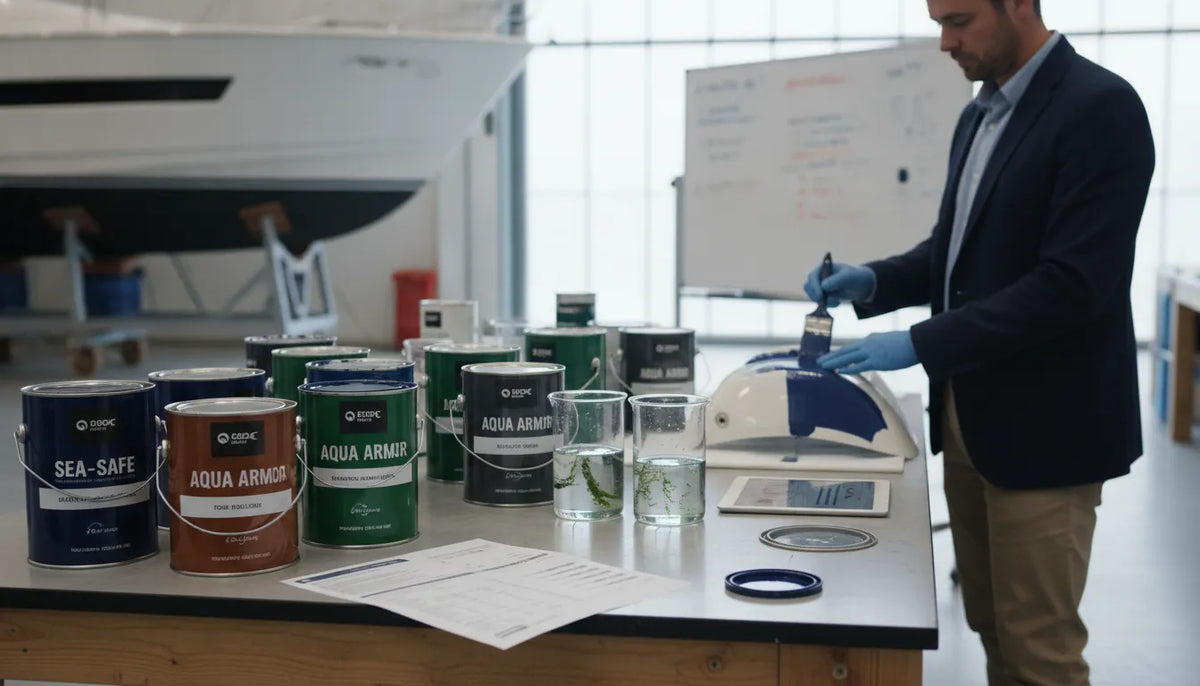
When you’re planning hull maintenance, the paint aisle can raise more questions than it answers. Is a hard or ablative formula a better fit? Can you use copper-based paint on your hull? How does your boat’s speed or storage location affect the choice? Marine antifouling paint helps discourage barnacles, algae, and other growth, but no coating suits every vessel or condition. The best decision starts with your hull material, existing coating, and typical boating routine. Here, you’ll find practical guidance on comparing paint types, checking compatibility, following application instructions, and maintaining the coating over time.
Key Takeaways
- Choose paint for your boat and conditions: Check hull material, local water, and how often the boat is used.
- Verify before you apply: Confirm product compatibility, primer needs, and local rules on the label and with a marine professional.
- Plan the work and maintenance: Follow application and safety directions, contain paint waste, and inspect the hull for wear.
What Is Marine Antifouling Paint, and How Does It Work?
Marine antifouling paint is a coating for a boat’s underwater hull. It helps limit the buildup of organisms that can cling to the surface, though no coating prevents all growth in every condition. The best option depends on your hull material, where you keep your boat, and how often you use it. Most products work by releasing biocides or by creating a surface that makes it harder for growth to stick.
Prevent Barnacles, Algae, and Other Hull Growth
Barnacles, algae, slime, and other marine organisms can collect on a hull left in the water. As growth builds up, it can make the surface rougher and increase drag, which may affect a boat’s speed and fuel use. Antifouling paint creates a protective layer that helps reduce the chance of organisms attaching and spreading.
Results vary with water temperature, salinity, boat speed, and time spent in the water. A boat used often may need a different coating from one that stays moored for long stretches. Before choosing a product, consider your boat’s material and typical use, then check the label for recommended conditions. First Choice Marine outlines how antifouling coatings help limit marine growth.
Compare Biocidal Paints and Foul-Release Coatings
Biocidal paints use active ingredients to kill or repel organisms that settle on the hull. Some formulations can release substances into the water, so review the product label and check local requirements before buying or applying them.
Foul-release coatings work differently. They create a smooth, low-stick surface that makes it harder for organisms to attach. Growth that does settle may come away more easily as the boat moves, so these coatings can be a better fit for vessels that are used regularly. They may be less suitable for boats that remain stationary for long periods. Compare the coating’s instructions with your boat’s speed, storage, and use before deciding which approach fits your needs.
What Types of Marine Antifouling Paint Can You Choose?
Antifouling products vary in how they resist marine growth, how they wear, and which hull materials they suit. Compare the coating type and active ingredients, then check the label for compatibility with your boat and local requirements.
Compare Hard, Ablative, and Hybrid Formulas
Hard paint cures into a durable coating that stays in place as water moves over the hull. It can suit boats that travel often or at higher speeds, and some formulas tolerate gentle cleaning. Since the coating does not wear away as readily, layers can build up over time, making future maintenance more involved.
Ablative paint gradually wears away as the boat moves, exposing fresh antifouling ingredients. It can suit regularly used boats, though the coating may wear unevenly if a vessel sits idle. Hybrid formulas combine features of hard and ablative paints, with performance varying by product. Review this guide to bottom-paint types and check the label for application steps, expected service life, and suitable use.
Choose Copper-Based or Copper-Free Paint
Copper-based paints use copper compounds to discourage organisms from settling on the hull. They are common, but they are not suitable for every boat or location. Most importantly, do not apply copper-containing paint directly to bare aluminum. Copper can contribute to galvanic corrosion in seawater, so aluminum hulls need a product specifically approved for that surface, along with any required primer.
Copper-free products use other active ingredients or coating technologies. They may be worth considering for aluminum hulls or where local rules limit copper-based paints. However, copper-free does not necessarily mean biocide-free, and it does not guarantee compatibility with every hull. Check the product label and manufacturer’s guidance, and confirm the risks copper can pose to aluminum before selecting a coating.
Consider Biocide-Free Foul-Release Coatings
Foul-release coatings discourage growth with a smooth, low-friction surface rather than by releasing biocides. Organisms may have a harder time attaching firmly, and water movement can help loosen some growth. These coatings may appeal to boat owners seeking to reduce biocide use. The EPA’s overview of alternatives to copper antifouling paints discusses non-biocide options.
These coatings still require care. Their performance can depend on how often and how fast the boat moves, and cleaning methods may need to be gentler than those used on other paints. Some products also call for a compatible primer or professional application. Before choosing one, confirm that it suits your hull, use pattern, and maintenance routine. Follow the manufacturer’s directions for cleaning, repairs, and recoating.
How to Choose Antifouling Paint for Your Boat
Choose antifouling paint based on your hull, boating conditions, and the coating already in place, not just the price or brand. Before you buy, check the product label and technical data sheet for approved materials, application directions, and coverage. If you’re unsure what’s on your hull or which formula fits your boat, ask a marine paint professional for advice.
Match Paint to Fiberglass, Aluminum, Wood, or Steel
Start by confirming that the paint is compatible with your hull material. Many antifouling products can be used on fiberglass, but the surface may need a compatible primer for good adhesion. Aluminum requires particular care: choose paint specifically labeled for aluminum, and avoid copper-based formulas unless the manufacturer confirms they’re suitable. Copper can contribute to galvanic corrosion when used improperly on or near aluminum.
For wood, check that the paint is designed for the hull and won’t damage or excessively dry the material. Steel hulls also need a suitable coating system, including any required primer. Follow the product maker’s directions for preparation and application. This material-specific antifouling guide offers additional points to consider when comparing products.
Consider Water, Fouling, Speed, and Use
Think about where your boat spends most of its time. Saltwater, freshwater, and brackish water present different conditions, and the amount of marine growth varies by region. A boat kept in warm water with heavy fouling may need a different product from one used occasionally in a freshwater lake.
Your boat’s speed and use also help determine which formula may suit it. Consider whether it stays in the water, is used regularly, or sits idle for long periods. Check the label to see whether the paint is intended for your vessel’s operating conditions. Compare these details with the key selection factors in this buyer’s guide, then ask a marine professional if you’re unsure which product fits your setup.
Check Existing Coatings, Primers, and Compatibility
Find out what coating is already on the hull before applying new paint. If you know the product, check its label or technical data sheet against the paint you’re considering. Incompatible coatings may fail to adhere, peel, or require extra surface preparation. If the old paint is unknown or in poor condition, ask a marine paint professional whether it should be removed or covered with a compatible primer.
Make sure the primer works with both the hull material and the antifouling paint. Also check that the product is intended for the area you’re coating. Paint designed for a continuously immersed hull may not be suitable for surfaces above the waterline. Use this marine coating overview to help identify compatibility factors before starting the job.
Compare Coverage, Application, and Storage Needs
Compare paint by its stated coverage and the number of coats required, not just by the size or price of the container. Estimate the surface area you plan to paint, keeping in mind that hull shape and texture can affect how much product you use. Follow the manufacturer’s recommended coat count, and consider buying a little extra to account for touch-ups.
Before applying paint, make sure the hull is clean, dry, and free of debris. Check the label for mixing and application instructions, tools, drying times, and the time required before launch. Follow storage directions for any leftover product, and check local rules for disposal. This surface-preparation guidance explains why careful preparation matters for adhesion.
How Does Antifouling Paint Affect the Environment, and Which Rules Apply?
Understand Biocides’ Potential Effects on Marine Life
Many antifouling paints release biocides, often copper compounds, to discourage barnacles, algae, and other organisms from attaching to a hull. These substances can also affect marine life when they enter the water, especially where residue builds up. Copper-free formulas may use other active ingredients, such as zinc or organic biocides, which can have environmental effects of their own. The EPA’s research on alternatives to copper antifouling paints discusses concerns about some substitute ingredients.
Antifouling coatings can help limit hull growth and drag, but the right choice depends on the boat and where it is kept. Consider the local conditions and how often the boat is used, then select a product intended for those needs. Avoid applying more paint than the label recommends, and ask a marine paint professional or boatyard about suitable options.
Check Product Labels, EPA Registration, and Local Rules
Read the full label before buying or applying antifouling paint. It explains which hull materials the product is designed for, how to apply it, what protective gear to wear, and any restrictions on use. In the United States, check that the product is registered for the intended use and follow its directions. The EPA’s guidance on pesticide labels explains that label instructions are legally enforceable.
Requirements can also vary by state, city, and marina. A boatyard may have specific rules for sanding, hull cleaning, or collecting wash water to prevent residue from reaching storm drains or coastal waters. Check with your marina or boatyard and consult relevant local or state agencies before starting work. If you are unsure whether a product is permitted for your boat or location, contact the manufacturer or a qualified marine professional.
Prevent Runoff and Dispose of Paint Waste Properly
Keep paint, sanding dust, chips, and wash water contained during hull preparation and cleanup. Use suitable drop cloths or barriers, and avoid working where residue could reach a drain, soil, or the water. Never rinse paint tools overboard. Follow the product label and your boatyard’s procedures for collecting and handling waste.
Keep leftover paint sealed in its original container when possible. Do not pour it down a drain or onto the ground. Disposal requirements depend on the product and your location, so ask your marina or local waste authority about accepted disposal options. This guide to environmentally responsible bottom-paint handling offers practical advice for managing cleanup and reducing the chance of paint waste reaching marine habitats.
How to Apply Marine Antifouling Paint Safely
Safe antifouling work starts before you open the paint. Check the product label and safety data sheet for instructions on surface preparation, application, protective equipment, drying, and launch timing. These details vary between products, so follow the guidance for the paint you’ve chosen rather than relying on general advice. If you’re unsure what coating is already on the hull, or whether it’s compatible with the new paint, contact the manufacturer or a qualified marine professional first.
Plan the job so you can contain paint, sanding dust, and wash water. Choose a suitable work area, keep people and pets away while you’re painting, and check local rules for handling and disposing of antifouling waste. Schedule enough time for preparation and drying before the boat returns to the water. Rushing any of these steps can affect the coating and create unnecessary exposure to paint or dust.
Inspect and Prepare the Hull and Existing Coating
Securely support the boat, then clean the hull and let it dry fully. Remove marine growth, dirt, and loose paint using the methods allowed by the product instructions and local regulations. Check the existing coating for cracks, blisters, peeling, or bare patches. Paint may not adhere well to a dirty or unstable surface, so address visible problems before applying a new coat.
Find out what type of coating is already on the hull and confirm it’s compatible with the paint you plan to use. Follow the label’s instructions for scraping, sanding, and priming. Contain dust and debris as you work instead of letting them reach the ground or water. This marine antifouling paint guide also recommends starting with a clean, dry hull to support good adhesion.
Apply the Right Number of Coats and Follow Recoating Times
Apply the number of coats specified on the label. The right amount depends on the product, application method, and expected use of the boat. Too little paint can leave the hull underprotected, while extra coats may affect the finish or go against the manufacturer’s instructions. Stir the paint as directed, since ingredients can settle, and use the recommended brush, roller, or spray method.
Follow the stated drying time between coats. Recoating too soon, or waiting longer than the allowed window, can affect how well the layers bond. Check how long the finished coating can remain out of the water before launch, too. This marine paint guidance explains why drying, recoating, and immersion limits matter. Build those timings into your haul-out plan so the boat is ready when the paint is ready.
Follow Weather, Drying, and Launch-Time Instructions
Check the label for suitable air and surface temperatures, humidity limits, and other weather requirements. Temperature and moisture can affect drying and adhesion, so don’t apply paint outside the conditions specified for that product. For example, one antifouling paint product sheet lists an air temperature range of 50°F to 90°F and advises against application at very high humidity. Requirements differ, so check your paint’s instructions.
Allow each coat to dry for the full stated period, and observe the maximum time allowed before launching. If rain or changing conditions interrupt the job, consult the product guidance before continuing. Planning around the forecast and launch window helps prevent rushed application and gives the coating the conditions it needs to cure properly.
Wear Protective Gear and Control Dust, Drips, and Fumes
Use the protective equipment listed on the label and safety data sheet. Depending on the product and task, this may include chemical-resistant gloves, eye protection, protective clothing, and a suitable respirator. Work in a well-ventilated area, and avoid eating, drinking, or smoking while handling paint. Wash thoroughly after the job, and follow the product instructions for cleaning tools and removing contaminated clothing.
Before sanding or painting, place a tarp or groundsheet beneath the boat to catch dust, drips, and spills. Keep debris and wash water contained, then dispose of them according to local requirements. The AMPP’s guidance on applying antifouling paint recommends ground protection to help control spills. Take extra care with older coatings, and seek professional advice if you suspect they contain hazardous materials.
What Does Antifouling Paint Cost, and When Should You Reapply It?
The total cost depends on more than the price of a can. Hull size, existing coating condition, the number of coats required, and whether you hire a professional all affect your budget. Reapplication timing varies by product and by how and where you use your boat.
Compare Paint Prices, Coverage, and Application Costs
Compare products by their coverage and recommended number of coats, not just their shelf price. Check the label for coverage per can, suitable hull materials, application instructions, and any primer requirements. A higher-priced paint may cover more area or call for fewer coats, while a less expensive option may require more product to finish the job.
Your boat’s speed, time in the water, local fouling conditions, and water type also affect which formula makes sense. Use these details to compare options with a marine antifouling paint buyer’s guide. For other equipment and supplies needed for boat projects, browse Apollo Lighting’s marine products.
Budget for Haul-Out, Surface Prep, and Labor
If your boat needs to come out of the water, add haul-out and storage charges to your estimate. Preparation may also involve pressure washing, scraping, sanding, removing loose paint, or applying primer. The cost depends on the hull’s condition and whether the existing coating is compatible with the new product.
Doing the work yourself can reduce labor costs, but remember to budget for tools and protective gear, and plan how to contain sanding dust and paint residue. A professional may be a practical choice when the coating needs extensive preparation or you’re unsure how to handle an older paint layer. Ask the boatyard for an itemized estimate and confirm whether paint and materials are included.
Follow Product Guidance and Reapplication Intervals
There’s no single reapplication schedule for every boat. Follow the product instructions for coat count, recoating windows, drying conditions, and the time between application and launch. Warm water, heavy use, and local fouling can affect how quickly a coating wears, so inspect the hull regularly for peeling, thin spots, or exposed areas.
Before switching paint types, check compatibility with the existing coating and find out whether the hull needs primer or a barrier coat. Apply the specified amount of paint rather than stretching it across more surface area than the label allows. This step-by-step bottom-painting guide can help you plan the work, but use the instructions for your specific product as your final reference.
How to Maintain an Antifouling Coating
Regular inspections and careful cleaning help you spot coating problems before they affect hull protection. How often to check the hull depends on the paint system, the boat’s location, and how you use it. Follow the product label, and keep a record of inspections, cleaning, and past paint work.
Check for Wear, Peeling, Bare Spots, and Marine Growth
Inspect the hull for peeling, cracks, thin areas, bare spots, and marine growth such as barnacles or algae. Pay particular attention to the waterline, leading edges, and areas around fittings. If the boat is in the water, arrange a safe inspection with a qualified professional rather than attempting to work beneath the hull.
Uneven or worn paint may signal that maintenance is needed, but appearance alone won’t tell you whether to touch up or recoat. Check the manufacturer’s instructions for maintenance and application timing. The Association for Materials Protection and Performance notes that correct application and timing are key to coating performance. Keep track of what you find to inform future maintenance.
Clean the Hull Without Damaging the Coating
Choose a cleaning method that suits the coating. Abrasive pads, aggressive scraping, and pressure washing can wear away paint or release particles into the water. Before cleaning, check the product label and local rules. If you’re unsure which tools or methods are safe, ask a qualified hull-cleaning professional. Requirements for cleaning and waste control may vary by location.
Avoid using a strong cleaner without checking its directions and compatibility with the coating. Some products require specific protective equipment and careful handling. West Marine’s bottom-painting guide describes precautions for a particular acid-based cleaner, including eye, respiratory, and skin protection. Follow the label, and contain rinse water and debris when required.
Get Product Guidance Before Repairs or Switching Paint Types
Before repairing a spot or changing paint systems, identify the existing coating if you can. An incompatible product or inadequate surface preparation can lead to poor adhesion and early coating failure. Check the manufacturer’s guidance for compatibility, primer needs, surface preparation, application thickness, and recoating intervals. If you don’t know what’s on the hull, ask a marine paint professional to assess it before starting work.
Confirm that any new coating suits your hull material and boating conditions. The marine paint selection guidance recommends checking compatibility and preparation requirements with the coating manufacturer. Keep product details and application records for future repairs. Follow the label for storing leftover paint and disposing of unused product and other waste.
Frequently Asked Questions
Can I apply antifouling paint while my boat is in the water?
Most antifouling paint is applied to a dry hull, so the boat usually needs to be hauled out first. Check the product label for application and launch instructions, and ask your marina about its work-area rules.
Can I put a new type of antifouling paint over the old coating?
Not without confirming compatibility. Check the product guidance and identify the existing paint if possible. If you can’t determine what’s on the hull, ask a marine paint professional whether testing, removal, or a primer is needed.
Is copper-free antifouling paint safe for every hull?
No. Copper-free products may still contain other active ingredients, and not every formula suits every hull material. Check the label for approved surfaces, primer requirements, and local restrictions before choosing a paint.
How do I know when the coating needs attention?
Inspect for peeling, worn or thin areas, exposed hull, and marine growth. The right time to repair or recoat depends on the paint and your boating conditions, so use the product instructions and consult a professional if you’re unsure.
Can I clean marine growth off an antifouling coating myself?
That depends on the coating, cleaning method, and local rules. Abrasive tools or aggressive washing can damage the paint and release residue. Check the manufacturer’s guidance before cleaning, and use a qualified hull-cleaning professional if you’re uncertain.