


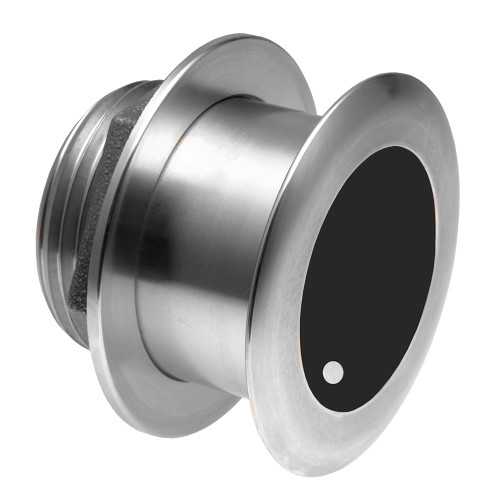
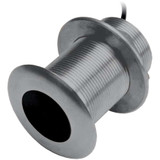
Simrad SS175H-W/12 Stainless Steel Thru-Hull CHIRP Transducer, 1 kW, 130-210 kHz, 25 Degree Beam, 12 Degree Tilt, 9-Pin, Depth and Temperature

-
Perfect Fit, Guaranteed
Get the right part every time
-
Expert Support
Our in-house specialists know our products inside and out
-
Enhanced Value & Service
We go beyond the sale with professional and balanced services
-
Wordwide Delivery
Enjoy hassle-free worldwide delivery
Simrad SS175H-W/12 Stainless Steel Thru-Hull CHIRP Transducer, 1 kW, 130-210 kHz, 25 Degree Beam, 12 Degree Tilt, 9-Pin, Depth and Temperature
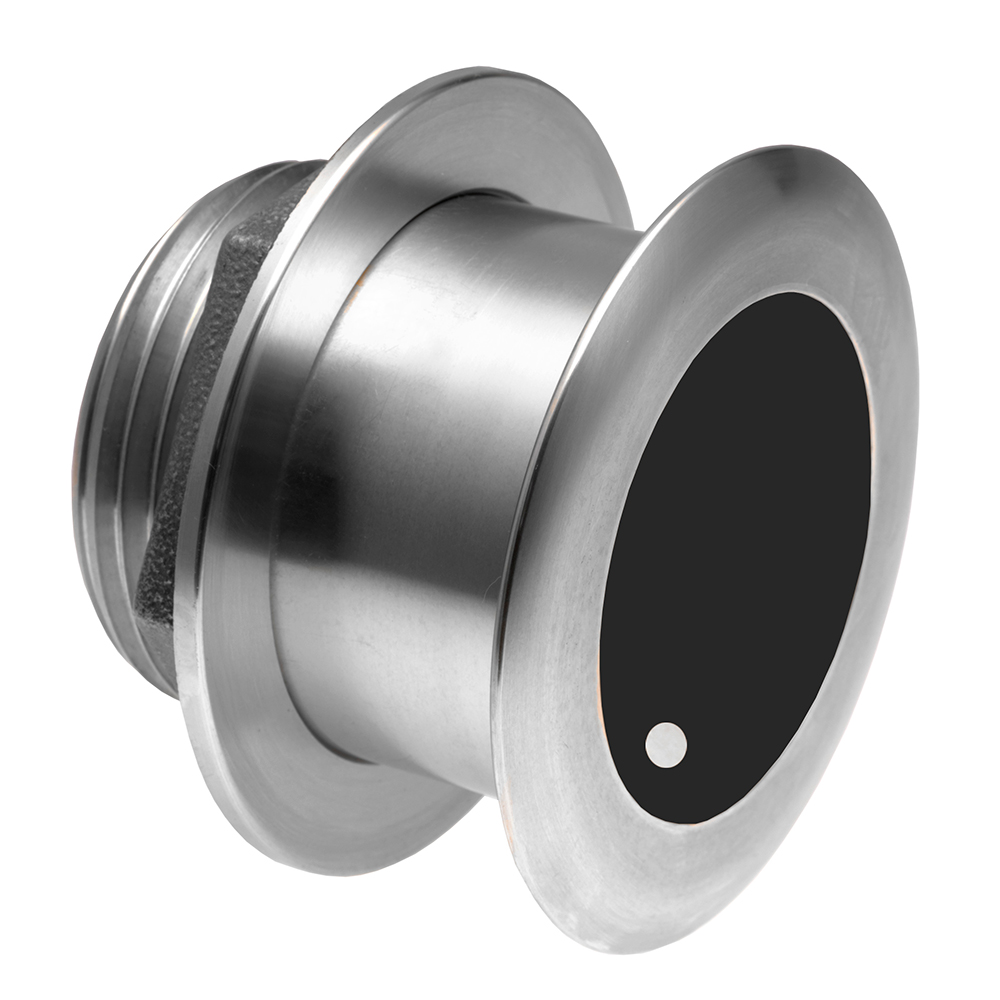
Simrad SS175H-W/12 Stainless Steel Thru-Hull CHIRP Transducer, 1 kW, 130-210 kHz, 25 Degree Beam, 12 Degree Tilt, 9-Pin, Depth and Temperature
Overview
The Simrad 000-13781-001 is a stainless steel thru-hull transducer that runs High CHIRP (130-210 kHz) with a wide 25° beam and a 12° tilted element. It is a single-channel transducer with depth and water-temperature sensing, and it supports bottom detection down to 310 m (1000 ft) in the right conditions.
This is the kind of install you choose when you want a clean signal and a low-profile housing below the waterline. The 12° tilt helps keep the element closer to level on hulls with some deadrise, which matters when you are trying to hold bottom and keep fish targets crisp while the boat is moving.
Physical size is 134 mm (diameter) x 118 mm, and weight is 2.7 kg. It is suitable for fiberglass and wood hulls, and it terminates with a 9-pin connector on a 10 m (33 ft) cable.
Key features
- High CHIRP operation (130-210 kHz) with a wide 25° beam for more coverage under the boat in shallow to mid depths
- 12° tilted element to help align the sonar beam on thru-hull installations where the mounting spot has noticeable deadrise
- Depth and water-temperature sensing (no speed sensor)
- Stainless steel thru-hull housing for below-waterline mounting on fiberglass and wood hulls
- 9-pin connector with 10 m (33 ft) cable for routing up to the helm or sonar module location
- Housing size 134 mm (diameter) x 118 mm and weight 2.7 kg for planning access, backing clearance, and cable runs
Compatibility and fit
Confirm your sonar source supports High CHIRP and the 130-210 kHz range, and that you have the correct 9-pin sonar port (or the correct adapter if your unit uses a different transducer connector). Because this is a thru-hull style, you will also want to confirm you have interior access for the fastening hardware and enough flat area at the chosen spot for a proper seal.
The wide-beam format is often used when you care about seeing more of what is happening under the boat at once, such as tracking bait and marks while working flats, reefs, or nearshore structure where targets can move through the water column quickly.
Installation notes
Plan this as a below-waterline installation: pick a location with clean water flow, away from intakes, steps, and strakes that can introduce aerated water. The housing needs to be bedded with a marine sealant that is appropriate for below-waterline use, and the cable should be supported and protected anywhere it passes through bilges, rigging tubes, or bulkheads.
Measure deadrise at the exact mounting location, not just the hull spec from the brochure. The 12° tilted element is meant for a moderate-V mounting surface, but the best results come from choosing the correct tilt for the spot where the transducer actually sits.
Maintenance and care
Keep the face of the transducer clear of heavy growth and inspect the sealing area during haul-outs. If you apply any bottom coating in the transducer area, avoid anything that could block or distort the acoustic path.
We ship all in-store (FL) stock orders the same day if placed before 3 PM EST, Monday through Friday. Orders placed after this time will ship the next business day. Orders fulfilled from other warehouses or manufacturers may not ship the same day. If an item is out of stock, we will notify you promptly.
Related Products

Simrad SS175H-W/0 Stainless Thru-Hull CHIRP Transducer, 0 Degree Tilt, 130-210 kHz, 25 Degree Beam, 1kW, 9-Pin
Out of stock

Simrad xSonic SS175H-W/20 CHIRP Thru-Hull Transducer, 1kW, 130-210 kHz, 20 Degree Tilted Element, 9-Pin, Stainless Steel
Out of stock
Simrad XSonic SS75H Depth/Temp Thru-Hull CHIRP Transducer, Stainless Steel Housing, 130-210kHz, 600W, 12 Degree Tilt, 9-Pin, 10m Cable
Out of stock
Simrad xSonic SS75M CHIRP Thru-Hull Transducer, 600W, 80-130 kHz, 20 Degree Tilt, Stainless Steel, 9-Pin, Temp Sensor
Out of stock

Simrad xSonic SS60 Thru-Hull Depth/Temp Transducer, 50/200 kHz, 600W, 12 Degree Tilt, 9-Pin
Out of stock