


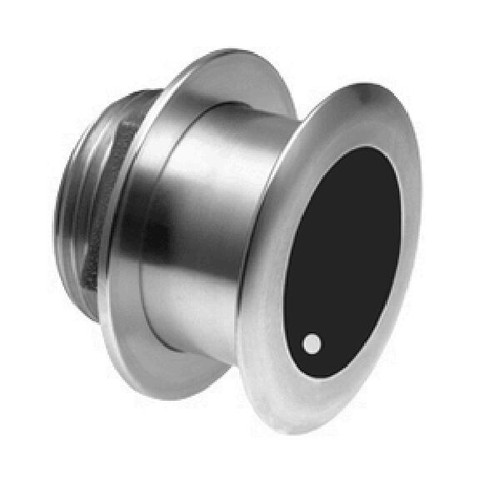
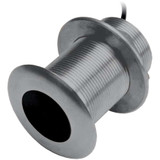
Simrad xSonic SS175M CHIRP Thru-Hull Transducer, 0 Deg Tilt, 1kW, 85-135 kHz, 9-Pin, Stainless Steel

-
Perfect Fit, Guaranteed
Get the right part every time
-
Expert Support
Our in-house specialists know our products inside and out
-
Enhanced Value & Service
We go beyond the sale with professional and balanced services
-
Wordwide Delivery
Enjoy hassle-free worldwide delivery
Simrad xSonic SS175M CHIRP Thru-Hull Transducer, 0 Deg Tilt, 1kW, 85-135 kHz, 9-Pin, Stainless Steel
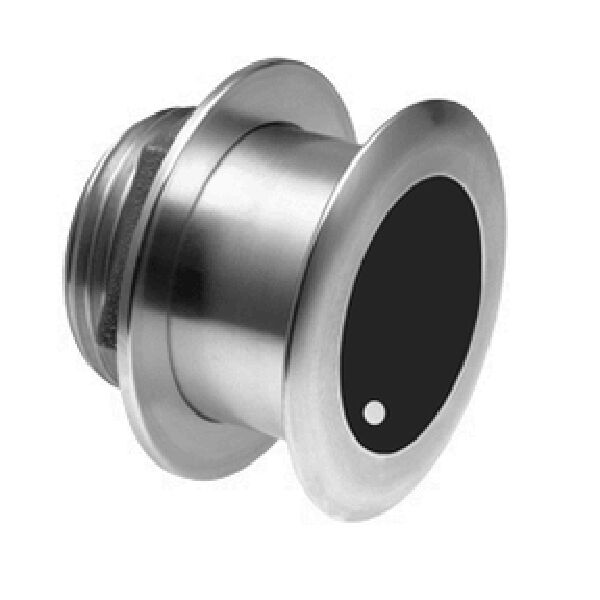
Simrad xSonic SS175M CHIRP Thru-Hull Transducer, 0 Deg Tilt, 1kW, 85-135 kHz, 9-Pin, Stainless Steel
Overview
The Simrad 000-13777-001 is an SS175M medium CHIRP through-hull transducer with a 0 degree tilted element and a stainless steel housing. It sweeps 85 to 135 kHz, is rated for 1 kW, and includes a 10 m (33 ft) cable terminated with a black 9-pin connector.
Depth and fast-response water-temperature sensing are built in. The housing measures 134 mm in diameter by 118 mm tall and weighs about 2.7 kg (6 lb), so it is worth confirming bilge access and cable routing before you commit to the cutout.
Key features
- Medium CHIRP band: 85 to 135 kHz for clear bottom detail and target separation
- 1 kW transducer rating for stronger returns in mid to deeper water
- 0 degree tilted element matched to hull deadrise from 0 to 7 degrees at the mounting location
- Stainless steel, flush through-hull style for use in all hull materials
- Depth and water-temperature sensing in the same housing
- 10 m (33 ft) cable with a black 9-pin connector
- Cutout size: 95 mm (3-3/4 in) for fiberglass or wood hulls, 105 mm (4-1/8 in) for metal hulls
Compatibility and fit
This is a tilted-element through-hull transducer. The 0 degree version is intended for boats where the deadrise at the mounting spot measures 0 to 7 degrees, so the internal element ends up level in the water.
On metal hulls, the stainless housing needs to be electrically isolated from the hull to reduce electrolytic corrosion. Do not install a metal transducer on a vessel with a positive ground electrical system.
Installation and setup
Choose a location where water flow stays smooth at speed and the transducer remains continuously immersed. Avoid mounting near intakes, discharge openings, strakes, or other hull features that introduce bubbles and turbulence.
Align the arrow on top of the transducer toward the keel or centerline, bed the housing with a below-waterline marine sealant, and check for leaks as soon as the boat is back in the water.
Electrical and system integration
The 10 m (33 ft) cable length is usually enough to reach the helm without extensions when it is routed cleanly. Keep the run away from high-current wiring and RF sources where possible, and do not pull, carry, or support the transducer by its cable.
Confirm your display or sonar module has a matching 9-pin sonar input. If your system uses a different connector style, an adapter cable is the right approach instead of cutting the factory plug.
Use on board
This transducer is a practical fit for boats that fish mixed depths and want medium-band CHIRP for readable structure and fish targets. It also works well for coastal cruising when you want steady depth tracking at speed, as long as the mounting spot has clean flow.
Maintenance and care
In saltwater, coat the exposed face with a water-based antifouling paint and renew it as needed. Avoid solvent-based cleaners and products that can damage the urethane acoustic window.
During routine maintenance, inspect the bedding area and hardware, and re-check for leaks after haul-outs or any time the transducer has been bumped or serviced.
We ship all in-store (FL) stock orders the same day if placed before 3 PM EST, Monday through Friday. Orders placed after this time will ship the next business day. Orders fulfilled from other warehouses or manufacturers may not ship the same day. If an item is out of stock, we will notify you promptly.
Related Products

Simrad xSonic SS175M Stainless Steel Thru-Hull Medium CHIRP Transducer, 12 Deg Tilt, 85-135 kHz, 1 kW, 9-Pin Connector, 10 m Cable
Out of stock
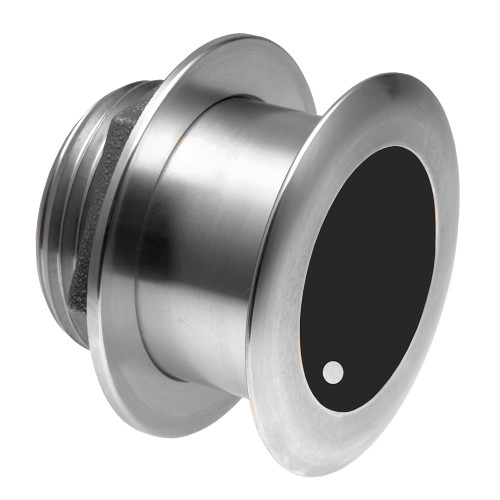
Simrad XSONIC SS175M Thru-Hull Medium CHIRP Transducer, 1 kW, 20° Tilt, 85-135 kHz, Stainless Steel, 9-Pin, Depth/Temp, 10 m Cable


Simrad SS175M CHIRP Thru-Hull Transducer, 85–135 kHz Medium, Stainless Steel, Depth/Temperature Sensor, Tilted Element

Simrad xSonic SS175H-W/20 CHIRP Thru-Hull Transducer, 1kW, 130-210 kHz, 20 Degree Tilted Element, 9-Pin, Stainless Steel
Out of stock
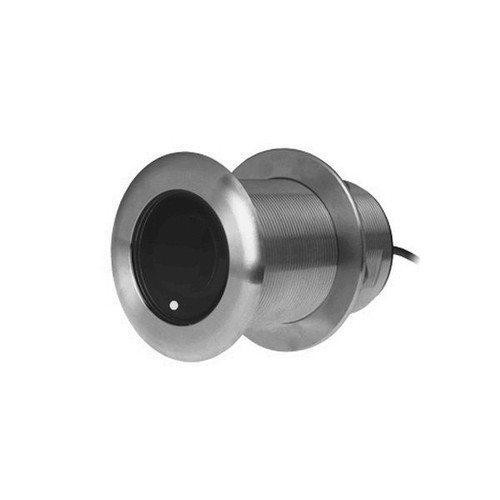
Simrad xSonic SS75M CHIRP Thru-Hull Transducer, 600W, 80-130 kHz, 20 Degree Tilt, Stainless Steel, 9-Pin, Temp Sensor
Out of stock