


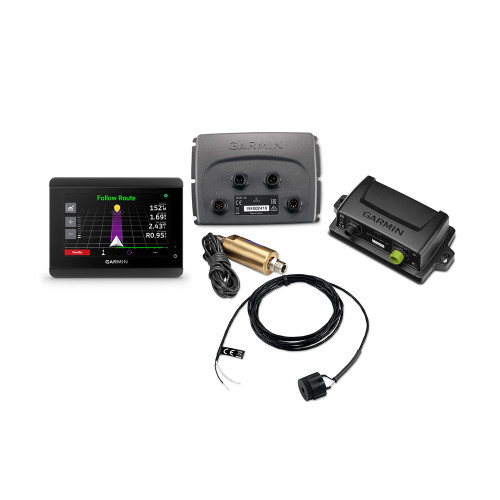
Garmin Reactor 40 Hydraulic Autopilot Corepack, No Pump, NMEA 2000, 9-Axis AHRS




-
Perfect Fit, Guaranteed
Get the right part every time
-
Expert Support
Our in-house specialists know our products inside and out
-
Enhanced Value & Service
We go beyond the sale with professional and balanced services
-
Wordwide Delivery
Enjoy hassle-free worldwide delivery
Garmin Reactor 40 Hydraulic Autopilot Corepack, No Pump, NMEA 2000, 9-Axis AHRS

Garmin Reactor 40 Hydraulic Autopilot Corepack, No Pump, NMEA 2000, 9-Axis AHRS
Overview
The Garmin Reactor 40 Hydraulic Autopilot is a hydraulic-steering autopilot system built around a CCU sensor and an ECU that drives an autopilot pump installed in your steering lines. The ECU runs from 11.5 to 30 Vdc and uses a 40 A blade-type fuse, and the CCU communicates on NMEA 2000 (9 to 16 Vdc on the network side).
It is meant for boats where the autopilot needs to hold a steady course while the boat is moving through changing sea state. Setup and tuning are handled through onboard wizards, and control is done through a helm control (when included) or through a compatible Garmin chartplotter on the same NMEA 2000 network when a dedicated helm control is not part of the package.
Key features
- Hydraulic autopilot architecture with a separate ECU and CCU, using an autopilot pump installed in the steering system (pump is a separate component in the installation layout).
- Solid-state 9-axis AHRS for heading and attitude, allowing flexible CCU mounting orientation while keeping placement practical inside the boat.
- NMEA 2000 network integration for autopilot data and control, with the CCU and helm control (or compatible chartplotter) connected on the same backbone.
- ECU installation constraint that matters during planning: it must be mounted within 0.5 m (19 in.) of the pump, and the pump-to-ECU cables cannot be extended.
- Electrical fit details for real installs: ECU input voltage 11.5 to 30 Vdc with a 40 A blade fuse; typical ECU power usage is 1 A (not including the pump load).
- Ingress and temperature ratings for marine spaces: CCU and ECU are rated IPX7; CCU operates from -15 to 70 C and ECU from -15 to 60 C.
- Shadow Drive support for manual override behavior, with the sensor installed in a steering line and mounted horizontally as part of the hydraulic plumbing plan.
Variants
This product is offered in multiple configurations based on which autopilot instrument is included at the helm.
The part numbers below reflect package differences in the control head: a GHC 50 touchscreen, a GHC 20 keyed control unit, or no dedicated control head when you will run the autopilot from a compatible chartplotter on the NMEA 2000 network.
- 010-02794-00: Autopilot instrument included: GHC 50. The 5 inch touchscreen interface puts heading hold, steering prompts, and setup menus at the helm in a layout that feels familiar if you already run a Garmin glass helm.
- 010-00705-19: Autopilot instrument included: GHC 20. A 4 inch color display with physical keys is straightforward for quick course changes when the boat is bouncing and you want tactile controls.
- 010-00705-21: Autopilot instrument: not included. Configuration and day-to-day control are handled from a compatible Garmin chartplotter connected on the same NMEA 2000 network as the autopilot CCU.
Installation and setup
Plan mounting locations before you start cutting or running cables. The ECU must live close to the pump, within 0.5 m (19 in.), and it should be mounted where it will not be submerged or exposed to washdown. The CCU is typically placed in a dry, non-submerged area near the center of the boat, and it should be kept away from magnetic interference and high-current wiring.
On hydraulic boats, the Shadow Drive sensor is installed into either the port or starboard steering line and is mounted horizontally and as level as practical. In dual-helm systems, the sensor placement is typically planned between the pump and the hydraulic T-connector that feeds upper and lower helms so it can detect manual steering input cleanly.
Electrical and network integration
The ECU connects to the boat battery on 12 to 24 Vdc, while the NMEA 2000 side of the system is powered from 9 to 16 Vdc. If you are building a NMEA 2000 network for the autopilot, powering that backbone through a switched source helps avoid battery draw when the boat is sitting.
On the network, the CCU is a LEN 4 device (200 mA), so it is worth checking total NMEA 2000 load if you already have a busy backbone with engines, sensors, and displays.
Materials and corrosion resistance
The CCU uses a fully gasketed plastic housing and the ECU uses a fully gasketed aluminum-alloy case, with both rated to IPX7 for incidental water exposure. These components still belong in protected locations, especially on saltwater boats where spray, vibration, and corrosion are part of normal life.
For connectors in damp lockers or near the helm, taking the time to seal splices properly and use dielectric grease at plug interfaces helps reduce corrosion-related faults over the long haul.
On-board use
This setup is a practical match for owners who already have hydraulic steering and want autopilot control that ties into a NMEA 2000 backbone. It fits the way most boats are used day to day: long transits, trolling runs, and hands-on deck work where holding a steady heading reduces fatigue but you still want the ability to take the helm instantly.
Maintenance and care
After installation and hydraulic bleeding, routine checks are simple and worth doing: verify connectors stay tight, keep wiring supported so vibration does not work pins loose, and re-check sensor mounting. For the pump and fittings in the steering space, applying a marine corrosion blocker at least twice a year helps keep the system clean in humid bilges and saltwater environments.
We ship all in-store (FL) stock orders the same day if placed before 3 PM EST, Monday through Friday. Orders placed after this time will ship the next business day. Orders fulfilled from other warehouses or manufacturers may not ship the same day. If an item is out of stock, we will notify you promptly.
Related Products
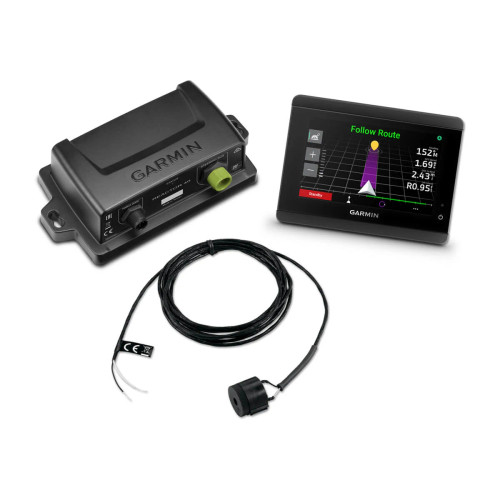

Garmin Reactor 40 Steer-by-Wire Autopilot Corepack, For Viking VIPER Steering System, NMEA 2000, 9-Axis AHRS


Garmin Reactor 40 Steer-by-Wire Autopilot Corepack, For SeaStar Optimus, Yanmar ZT 370, ZF 2800, NMEA 2000, 9-Axis AHRS
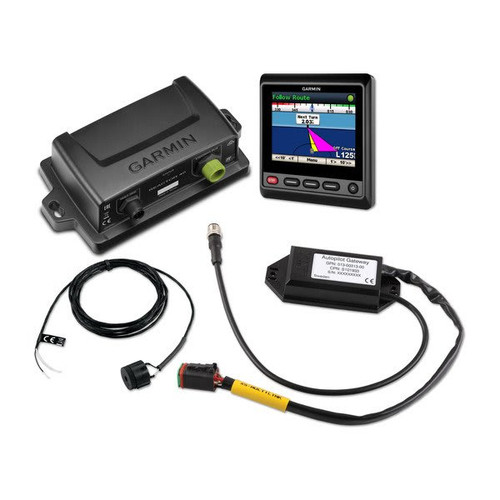

Garmin Reactor 40 Steer-by-Wire Autopilot Corepack, For Volvo Penta IPS and Sterndrive Joystick Systems, Solid-State 9-Axis AHRS, NMEA 2000

Garmin Reactor 40 Hydraulic Autopilot Corepack, SmartPump v2, NMEA 2000, 4-24 cu in Cylinders
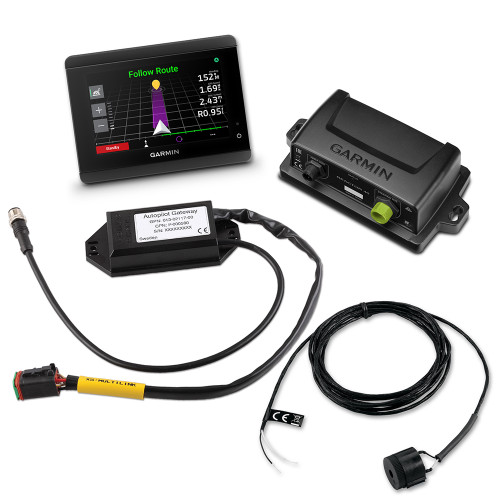

Garmin Reactor 40 Steer-by-Wire Autopilot Corepack, For Yamaha Helm Master, Not for Helm Master EX, Yamaha Gateway Included, 9-Axis AHRS, NMEA 2000