


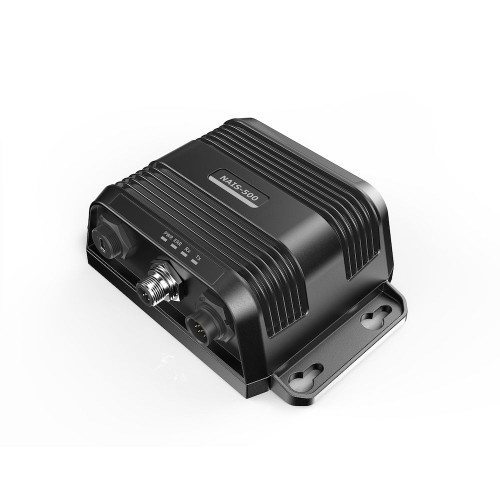
Simrad NAIS-500 Class B AIS Transceiver, GPS-500 GPS Antenna Included, NMEA 2000, NMEA 0183, USB, IPX7, 9.6-31.2V




-
Perfect Fit, Guaranteed
Get the right part every time
-
Expert Support
Our in-house specialists know our products inside and out
-
Enhanced Value & Service
We go beyond the sale with professional and balanced services
-
Wordwide Delivery
Enjoy hassle-free worldwide delivery
Simrad NAIS-500 Class B AIS Transceiver, GPS-500 GPS Antenna Included, NMEA 2000, NMEA 0183, USB, IPX7, 9.6-31.2V

Simrad NAIS-500 Class B AIS Transceiver, GPS-500 GPS Antenna Included, NMEA 2000, NMEA 0183, USB, IPX7, 9.6-31.2V
Overview
The Simrad 000-13609-001 is a Class B AIS transponder that sends your vessel identity and position while receiving AIS targets around you, so traffic shows up on compatible displays and navigation software. It runs on 12V or 24V systems (9.6 to 31.2 VDC) and keeps average draw low at about 180 mA at 12V, which helps on smaller electrical systems.
It supports NMEA 2000, NMEA 0183, and USB connections, so it can slot into a modern networked helm or work with older wiring. NMEA 0183 multiplexing is built in, which is useful when you have limited serial ports and need to combine AIS with other NMEA 0183 data before feeding a plotter, instrument, or PC.
The housing is rated to IPX7 for water exposure typical of a marine install. This package includes the GPS-500 antenna, which supplies position data for AIS transmissions; plan the antenna location where it has a clear view of the sky. AIS operation also requires correct vessel details and an MMSI programmed into the unit before use.
Key features
- Class B AIS receive and transmit to make your boat visible to other AIS-equipped vessels and to display nearby targets
- NMEA 2000, NMEA 0183, and USB connectivity for flexible integration at the helm and nav station
- Built-in NMEA 0183 multiplexing to help manage multiple serial talkers on one feed
- Wide power input (9.6 to 31.2 VDC) for 12V and 24V electrical systems
- Low average power draw around 180 mA at 12V for boats that watch their amp budget
- IPX7 water ingress rating for installs where spray and washdowns are a reality
- Tested to IEC 60945 (Protected) for the marine electronics environment
What's included
- NAIS-500 Class B AIS transponder
- GPS-500 antenna
Installation and setup
Mount the AIS transponder where cabling can be routed cleanly and the unit is protected from direct spray, standing water, and excessive heat. Even with an IPX7 rating, good practice is to keep connectors and splices out of bilge areas and to form drip loops on any cables coming down from above.
Plan the install so you can reach the unit later for service and so indicator lights are visible for quick checks at the dock. Avoid placing it right next to high-current cabling, ignition components, or other sources of electrical noise that can complicate troubleshooting on a busy boat.
Electrical and system integration
On NMEA 2000, the transponder shares AIS targets and your own ship data across the backbone for display on compatible chartplotters and instruments. Make sure your network has proper power and termination, and that you are using the right drop/backbone cabling for your connector style.
On NMEA 0183, AIS data is commonly carried on a dedicated high-speed feed, so confirm your plotter or software settings match the AIS input you are using. USB is handy for configuration and diagnostics at the dock when you want to connect directly to a computer.
Antenna and GPS placement
AIS needs a VHF antenna connection to transmit and receive. Many boats run a dedicated AIS antenna for best results, while others share the primary VHF antenna through a splitter; whichever route you choose, keep coax runs tidy, avoid sharp bends, and protect deck penetrations from water intrusion.
For the GPS-500 antenna, place it where it has an unobstructed view of the sky and away from structures that shadow satellites. Give it some separation from transmitting antennas and other sources of RF energy when possible, especially on sailboats with crowded mastheads.
Who it's a good match for
This setup fits boats that cruise in shipping lanes, run in and out of busy inlets, or spend time around commercial traffic where seeing and being seen matters. It also makes sense on offshore fishing boats and passagemakers that want AIS targets available on the network without adding a high power load.
Maintenance and care
Periodically inspect connectors, coax runs, and network plugs for corrosion and strain, especially after a season of vibration and salt exposure. If you wash down regularly, pay attention to cable entries and keep connections supported so water and movement do not work their way into the fittings over time.
We ship all in-store (FL) stock orders the same day if placed before 3 PM EST, Monday through Friday. Orders placed after this time will ship the next business day. Orders fulfilled from other warehouses or manufacturers may not ship the same day. If an item is out of stock, we will notify you promptly.
Related Products
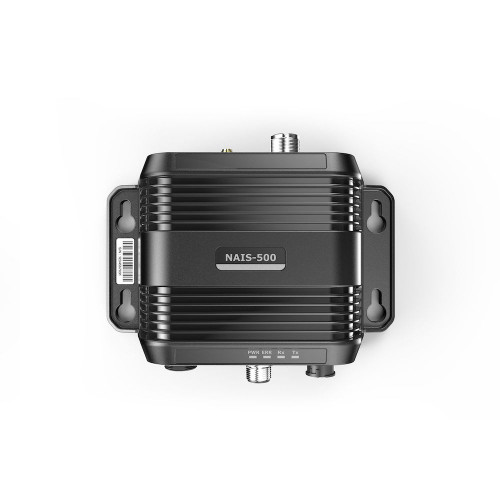
Simrad NAIS-500 Class B AIS Transceiver, NMEA 2000, NMEA 0183, GPS Receiver, 9.6-31.2V, IP67
Out of stock
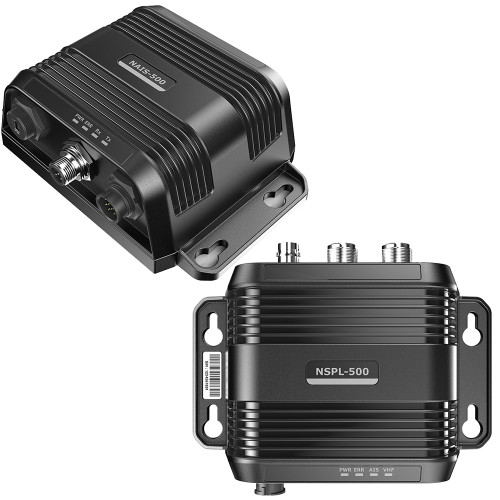
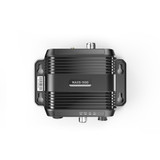
Simrad NAIS-500 Class B AIS Transponder Kit, NSPL-500 VHF/AIS/FM Antenna Splitter, GPS-500 GPS Antenna, NMEA 2000, IPX7, 9.6-31.2V
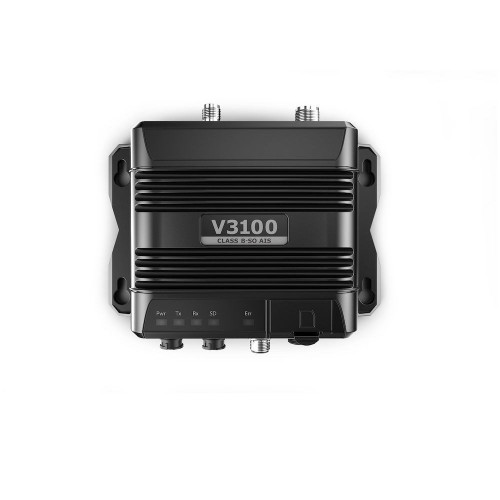

Simrad V3100 SOTDMA Class B AIS Transceiver Module, With GPS-500 Antenna, 5W, NMEA 2000, Dual NMEA 0183, USB, IP67, SD Card Slot
Out of stock

Garmin AIS 800 Class B/SO AIS Transceiver, 5W, VHF Antenna Splitter, NMEA 2000, NMEA 0183, Built-In GPS, IPX7
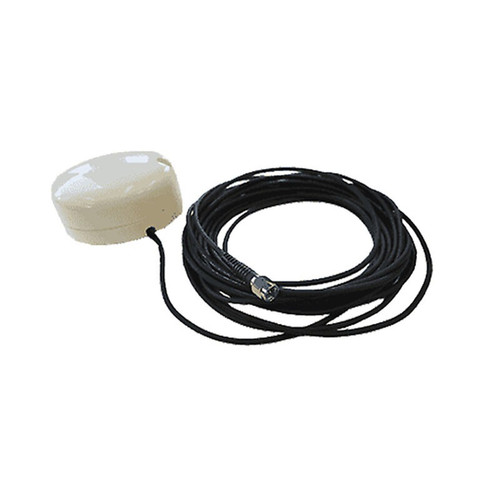
Simrad GPS-500 GPS Antenna, For NAIS-500, SMA Connector