


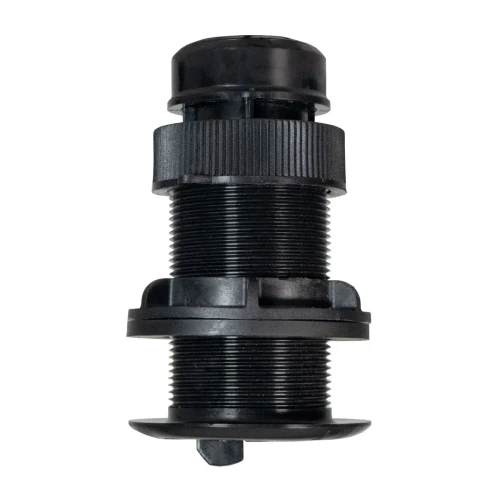
Garmin AIRMAR DST820 Smart Transducer, NMEA 2000, Plastic Thru-Hull, 235 kHz, 330 ft

-
Perfect Fit, Guaranteed
Get the right part every time
-
Expert Support
Our in-house specialists know our products inside and out
-
Enhanced Value & Service
We go beyond the sale with professional and balanced services
-
Wordwide Delivery
Enjoy hassle-free worldwide delivery
Garmin AIRMAR DST820 Smart Transducer, NMEA 2000, Plastic Thru-Hull, 235 kHz, 330 ft

Garmin AIRMAR DST820 Smart Transducer, NMEA 2000, Plastic Thru-Hull, 235 kHz, 330 ft
Overview
The Garmin 010-11051-30 is a plastic thru-hull AIRMAR DST820 smart transducer for adding depth, speed, temperature and attitude data to an NMEA 2000 boat network. It reads depth to 330 ft, operates at 235 kHz with 100 W transmit power, and uses a 10 x 44 degree beam that helps maintain bottom tracking on hulls with deadrise or on sailboats that spend time heeled over.
Along with depth, water speed and temperature, this smart transducer also reports attitude data such as heel, trim, pitch and roll. Water speed output at 5 Hz gives compatible chartplotters and instrument displays smoother speed information, which is useful when trimming sail, monitoring current, or keeping a close eye on speed changes while fishing or cruising.
Bluetooth connectivity supports calibration through the AIRMAR Cast app, so speed and sensor adjustments can be handled without relying only on display menus. The NMEA 2000 connection makes it a practical fit for boats already built around a backbone network and Garmin-compatible marine electronics.
Key features
- Plastic thru-hull smart transducer with NMEA 2000 connectivity for depth, speed, temperature and attitude data.
- 235 kHz operating frequency helps reduce mutual interference with other onboard echosounder equipment.
- Reads depths to 330 ft with 100 W transducer power for common coastal cruising, fishing and sailing use.
- 10 x 44 degree fan-shaped beam helps the unit find bottom on deadrise hulls and heeling sailboats.
- 5 Hz water speed signal output gives compatible displays smoother speed changes than slower sensor updates.
- Bluetooth calibration through the AIRMAR Cast app helps fine-tune sensor data after installation.
- Supports 0 to 22 degree deadrise or transom angles for matching the installation to the hull shape.
Installation and setup
This is a thru-hull sensor, so installation requires a proper hull opening, correct bedding, and access inside the boat for the housing and NMEA 2000 connection. The plastic housing is suited to many fiberglass hull applications where a low-profile thru-hull sensor is preferred.
After the unit is installed and connected to the NMEA 2000 backbone, calibration is the step that makes the speed and attitude data useful in real operation. The Bluetooth app interface is especially helpful on sailboats and performance-minded powerboats where small changes in water speed readings can affect trim decisions.
Compatibility and use on board
The transducer is a good match for vessels that need one sensor point for depth, speed, water temperature and motion-related data on an NMEA 2000 network. It suits sailboats, fishing boats and cruising powerboats where the helm or instrument display needs live information from below the waterline without adding separate sensors for each reading.
Because it connects through NMEA 2000, system planning should include an available network drop, proper backbone power, and display compatibility for the data types the boat owner wants to view. The 235 kHz depth channel and fan-shaped beam make it especially useful where reliable bottom readings matter during shallow approaches, harbor work and coastal passages.
We ship all in-store (FL) stock orders the same day if placed before 3 PM EST, Monday through Friday. Orders placed after this time will ship the next business day. Orders fulfilled from other warehouses or manufacturers may not ship the same day. If an item is out of stock, we will notify you promptly.
Related Products

Furuno - DST810PSF NMEA 2000 Airmar Smart Transducer - Plastic Thru Hull
Out of stock

Airmar DT812PV-235-N2 - 235kHz - Plastic Thru Hull Smart Sensor - 12° Tilt - NMEA 2000 - 6M Cable DT812PV-235-N2

Garmin P79 In-Hull Depth Transducer, NMEA 2000, 235 kHz, 500 ft Depth, 0-22° Deadrise

Furuno - 235-IHF In-Hull NMEA 2000 Smart Transducer
Out of stock

Airmar DT800 NMEA 2000 Thru-Hull Tilted Element Smart Sensor - 20° DT820PV-235-N2