


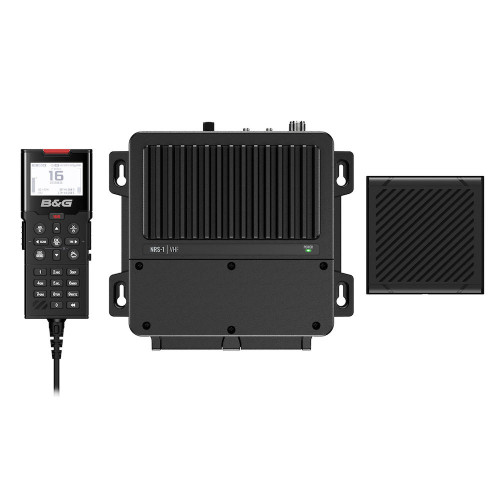
B&G V100 Black Box VHF Radio System, Class D DSC, Built-In GPS, NMEA 2000 and 0183, Up to 8 Handsets



-
Perfect Fit, Guaranteed
Get the right part every time
-
Expert Support
Our in-house specialists know our products inside and out
-
Enhanced Value & Service
We go beyond the sale with professional and balanced services
-
Wordwide Delivery
Enjoy hassle-free worldwide delivery
B&G V100 Black Box VHF Radio System, Class D DSC, Built-In GPS, NMEA 2000 and 0183, Up to 8 Handsets

B&G V100 Black Box VHF Radio System, Class D DSC, Built-In GPS, NMEA 2000 and 0183, Up to 8 Handsets
Overview
The B&G V100 is a fixed-mount VHF black box radio system with Class D DSC, built to put full radio control at multiple stations without mounting a full-size radio at every helm or nav position.
The processor mounts out of sight while the handset goes where you actually run the boat. The system supports up to 8 handsets total (4 wired and 4 wireless) and up to 4 external speakers, which works well on larger sailboats and cruising yachts where you want coverage in the cockpit, at the nav station, and down below.
It runs on a 12 V DC negative-ground system (10.8 to 15.6 V operating range) with selectable 25 W or 1 W transmit power. Day-to-day features like Track Buddy (up to 5 tracked contacts) and a voice recorder with 60-second audio rewind help when traffic gets busy and you need to replay a call that came in garbled.
Key features
- Class D DSC calling and distress functions, with GPS position available through the built-in receiver and the selected antenna configuration.
- Expandable multi-station setup: up to 4 wired handsets and up to 4 wireless handsets, plus up to 4 external speakers for zone audio on board.
- Intercom function between stations, plus hailer and fog horn modes when a suitable hailer speaker is installed and wired.
- NMEA 2000 and NMEA 0183 connectivity, with NMEA 0183 baud selectable at 4800 or 38400 for common marine integrations.
- 12 V DC negative-ground power with 10.8 to 15.6 V operating range and a specified 10 A mini-blade fuse.
- Selectable transmit power of 25 W (high) or 1 W (low) for full-range calls or close-quarters communication.
- Track Buddy can monitor up to 5 vessels via recurring DSC position requests and display positions on a connected MFD.
- IP ratings that match typical installation zones: the black box processor is rated IPX5, and the handset and wired speaker are rated IPX7.
Variants
The V100 family is offered in different configurations to match whether you want AIS transmit and receive built into the VHF system.
The key differences are AIS capability and the GPS antenna arrangement (internal versus an included external antenna). Each configuration keeps the same black box layout with a wired handset and speaker as the starting point.
- 000-15644-001: No AIS, internal GPS antenna (V100 with NRS-1 VHF processor). This configuration keeps the system focused on VHF and DSC while still providing GPS position for distress calls and position polling.
- 000-15793-001: AIS receiver and transmitter, GPS-500 external antenna (V100-B with NRS-2 VHF and AIS Class-B processor). This adds AIS transmit and receive, and it uses a separate AIS antenna connection on the processor, so plan for a dedicated AIS VHF antenna or an appropriate splitter arrangement.
Installation and setup
Mount the black box processor in a protected location that stays dry and ventilated, then run handset and speaker wiring to your chosen stations. This approach is common on sailboats where you want a clean nav station or helm while keeping the main electronics tucked away.
The VHF antenna connection on the processor is an SO-239 fitting (PL-259 style coax). On AIS configurations, there is also a dedicated SO-239 connection for the AIS antenna, which is worth planning for before you start pulling coax and committing to antenna locations.
If you add wireless handsets, allow space for the wireless antenna and any extension cable routing so the coverage reaches the stations you actually use underway.
Electrical and system integration
The system is built for 12 V DC negative-ground boats and operates from 10.8 to 15.6 V. Use a clean, dedicated feed with the specified 10 A fuse, and keep power and RF cabling away from high-current engine wiring to reduce noise.
NMEA 2000 and NMEA 0183 connections let the radio share GPS and call information with compatible onboard electronics, and software updates can be loaded over NMEA 2000 when a compatible MFD is on the network.
Compatibility and fit
This is a good match for boats that already have an NMEA 2000 backbone and want the VHF to participate in the network, especially sailboats and cruising yachts where multiple stations make a real difference. If you are moving from a single fixed-mount radio to a black box system, map out handset locations and speaker zones first so the wiring runs stay practical behind liners and bulkheads.
Maintenance and care
Keep the processor installed where it stays out of direct spray, and periodically check antenna and power connections for corrosion or loosened fittings from vibration. Handsets and speakers handle washdowns better, but a quick freshwater rinse to remove salt buildup helps keep audio clear and keys responsive over time.
We ship all in-store (FL) stock orders the same day if placed before 3 PM EST, Monday through Friday. Orders placed after this time will ship the next business day. Orders fulfilled from other warehouses or manufacturers may not ship the same day. If an item is out of stock, we will notify you promptly.
Related Products

Raymarine Ray63 Fixed Mount VHF Radio, 25W, Built-in GPS, Class D DSC, NMEA 2000, NMEA 0183
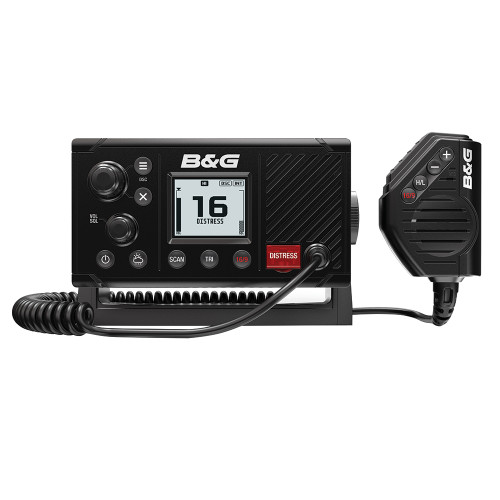
B&G V20S Fixed-Mount VHF Radio, Built-In GPS, Class D DSC, NMEA 2000, IPX7


Simrad RS100 VHF Black Box Radio, DSC, NMEA 2000, Up to 8 Handsets
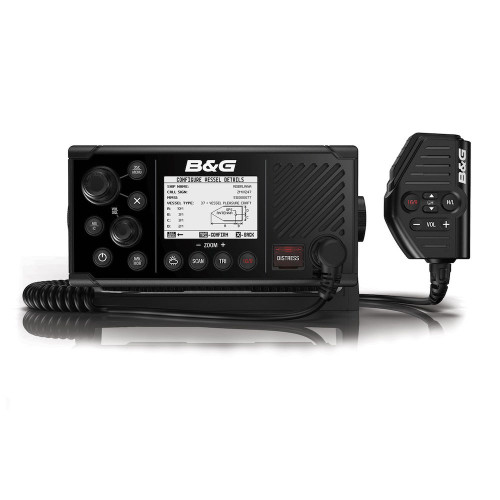

B&G Fixed-Mount VHF Marine Radio, Class D DSC, AIS, NMEA 2000, GPS

Simrad RS20S Fixed Mount VHF Radio, Class D DSC, Integrated GPS, NMEA 2000, NMEA 0183, IPX7
Out of stock