


Garmin NMEA 2000 Terminator, 120 Ohm, Micro Connector


-
Perfect Fit, Guaranteed
Get the right part every time
-
Expert Support
Our in-house specialists know our products inside and out
-
Enhanced Value & Service
We go beyond the sale with professional and balanced services
-
Wordwide Delivery
Enjoy hassle-free worldwide delivery
Garmin NMEA 2000 Terminator, 120 Ohm, Micro Connector
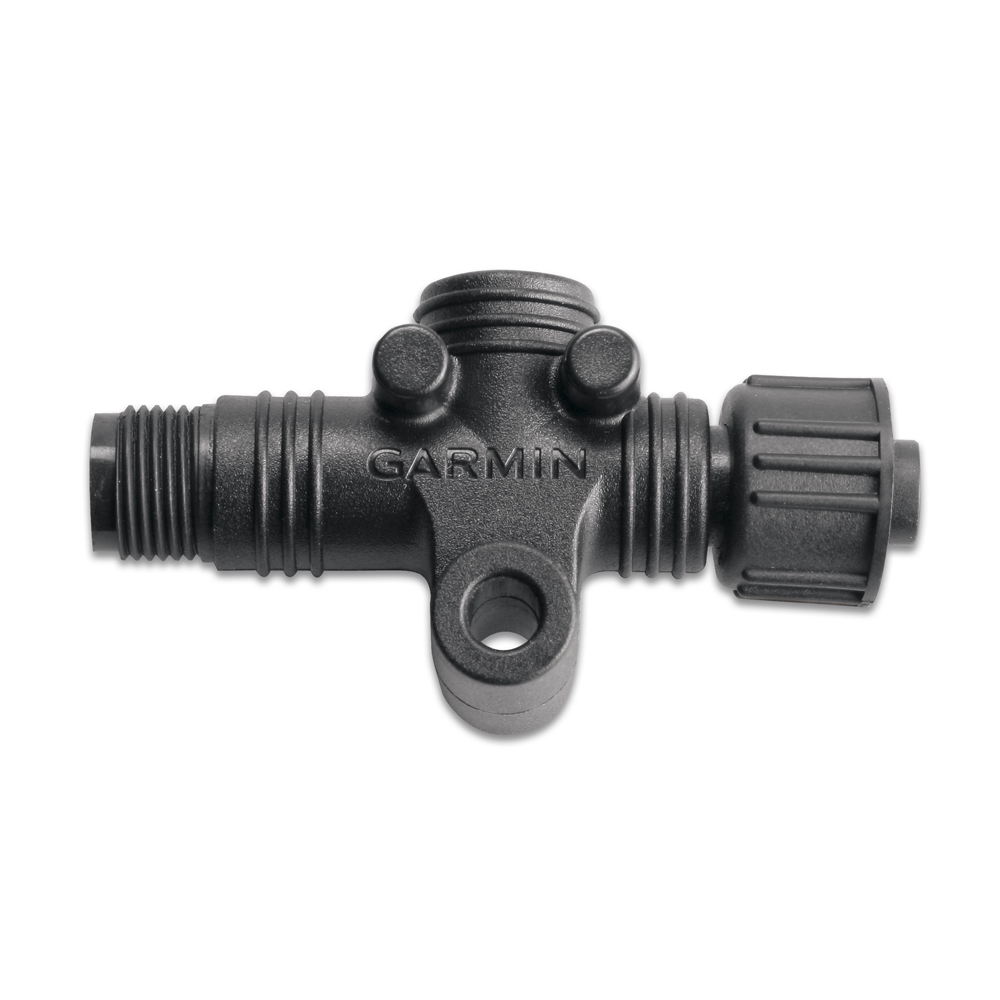
Garmin NMEA 2000 Terminator, 120 Ohm, Micro Connector
Overview
The Garmin NMEA 2000 terminator is a 120 ohm termination connector used at the ends of an NMEA 2000 backbone so the network can communicate correctly. An NMEA 2000 backbone needs termination at both ends, and the network must not have more than two terminators installed.
On a standard linear backbone, termination is handled with one female terminator and one male terminator fitted to the unused side ports of the final T-connectors on opposite ends of the backbone. When the last device is separated from the backbone by a long backbone extension cable, or when the usual T-connector, drop cable, and terminator stack is too bulky for the space, an in-line terminator can be used at the end of the backbone instead.
The in-line style connects to the backbone with a male connector and presents a female connection toward the final device. The last device can connect directly to the in-line terminator or through the appropriate drop cable, which is handy for tight installs and long runs such as a masthead wind sensor.
Key features
- 120 ohm termination used at the ends of an NMEA 2000 backbone to maintain signal integrity across the network.
- Supports the required termination layout: two standard terminators, or one female terminator paired with one in-line terminator.
- Network termination guidance: do not install more than two terminators on a single NMEA 2000 network.
- Standard male and female styles install on the side ports of the final T-connectors at opposite ends of a correctly built linear backbone.
- In-line style replaces the last T-connector at the end of the backbone when the usual T-connector, drop cable, and terminator combination is not feasible or is too bulky.
- In-line style connects male to the backbone and female toward the final device, with the option to connect the device directly or via a drop cable.
Variants
This product is offered in multiple connector styles to match how your NMEA 2000 backbone ends are built and where the final device lands.
The configuration changes the connector format at the end of the backbone: a standard male or female terminator for the end T-connectors, or an in-line terminator that can take the place of the last T-connector while still providing termination.
- 010-11096-00: Terminator type: In-line. Used at one end of the backbone in place of a standard male terminator, and it can connect to the final device directly or through a drop cable when the typical end-of-backbone stack is too bulky.
- 010-11080-00: Terminator type: Male. Installs on the unused side port of the final T-connector at one end of the backbone to provide termination.
- 010-11081-00: Terminator type: Female. Installs on the unused side port of the final T-connector at the opposite end of the backbone to complete termination.
Installation and setup
Identify the two physical ends of the backbone, not the ends of individual drop cables. Install termination only at those ends, either with one male and one female terminator, or with a female terminator on one end and an in-line terminator on the other. If you use the in-line style, it takes the place of the last T-connector at that end of the backbone, and the final device can connect directly or with a drop cable.
Electrical and system integration
The terminator itself is a passive network component, but it sits on a powered NMEA 2000 backbone. NMEA 2000 devices operate from 9 to 16 Vdc with a nominal voltage of 12 Vdc, so boats with 24 V house systems still run the NMEA 2000 network from an appropriate 12 V feed or converter.
Network power is commonly routed through a switch because some NMEA 2000 devices remain on whenever bus power is present, which can contribute to battery drain if the network is left energized at the dock.
Use cases on board
This is a practical fit when you are extending a backbone, adding devices, or cleaning up an existing network that is missing proper end termination. The in-line configuration is especially useful when the end of the backbone is in a tight spot or when the last device is at the end of a long run where keeping the connection compact matters.
We ship all in-store (FL) stock orders the same day if placed before 3 PM EST, Monday through Friday. Orders placed after this time will ship the next business day. Orders fulfilled from other warehouses or manufacturers may not ship the same day. If an item is out of stock, we will notify you promptly.
Related Products


Garmin NMEA 2000 T-Connector, Micro Connectors

Garmin NMEA 2000 Weather Cap, Micro Connector
Out of stock

Garmin NMEA 2000 Micro-C Field-Installable Connector

Lenco Marine - NMEA 2000 Terminating Resistor - 120 OHM

Furuno - NMEA 2000 Micro Terminator - Female
Out of stock