


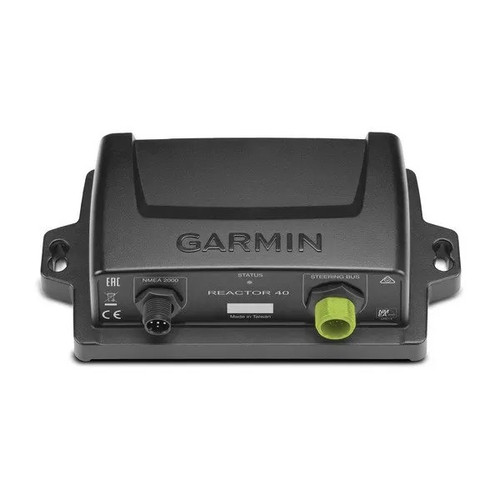
Garmin Reactor 40 Course Computer Unit, NMEA 2000, IPX7, 9-16Vdc




-
Perfect Fit, Guaranteed
Get the right part every time
-
Expert Support
Our in-house specialists know our products inside and out
-
Enhanced Value & Service
We go beyond the sale with professional and balanced services
-
Wordwide Delivery
Enjoy hassle-free worldwide delivery
Garmin Reactor 40 Course Computer Unit, NMEA 2000, IPX7, 9-16Vdc

Garmin Reactor 40 Course Computer Unit, NMEA 2000, IPX7, 9-16Vdc
Overview
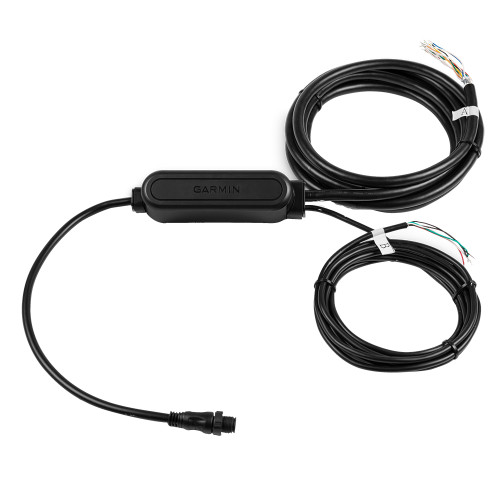
The Garmin 010-11052-67 is the course computer unit (CCU) that reads heading and rate of turn for a Reactor 40 autopilot installation and shares that motion data over an NMEA 2000 network. It measures 170 x 90 x 50 mm (6.7 x 3.5 x 2 in.) and carries an IEC 60529 IPX7 water rating for incidental exposure.
This is the sensor module typically mounted below decks near the boat’s center so it can “feel” the boat’s movement without being influenced by steering gear vibration or magnetic fields. On the network side, it runs from the NMEA 2000 backbone (9 to 16 Vdc) and supports autopilot control and setup from a helm control such as the GHC 20, or from a compatible Garmin chartplotter on the same NMEA 2000 network.
Key features
- Primary autopilot sensor for Reactor 40 systems, measuring heading and rate of turn
- NMEA 2000 connection with 9 to 16 Vdc input and LEN 4 (200 mA) for network load planning
- IEC 60529 IPX7 water rating for incidental exposure up to 1 m for up to 30 minutes
- Fully gasketed, high-impact plastic housing for below-decks installation
- Mounts in any orientation when installed on a rigid surface
- CCU cable length is 5 m (16 ft.); the cable must not be cut
- Operating temperature range: -15 to 70 C (5 to 158 F)
Installation and setup
Plan the CCU location like you would a compass: mount it in a non-submerged area and keep it away from magnetic interference. A handheld compass is a practical way to check a spot before drilling, and it helps catch issues from speakers, motors, or hidden steel behind panels.
As a baseline, keep the mounting location at least 60 cm (2 ft.) away from iron, magnets, high-current wiring, and intermittently running pumps. Larger magnets, such as subwoofer speaker magnets, should be kept about 1.5 m (5 ft.) away. Mounting on a rigid surface matters, and if you use hardware other than the supplied screws, stainless or brass fasteners help avoid magnetic influence.
Network and electrical integration
The CCU ties into the NMEA 2000 backbone through a standard drop and T-connector arrangement. If the boat is on a 24 V system, the NMEA 2000 network still needs to be powered in the 9 to 16 Vdc range, so confirm your network power feed is correct before commissioning.
Powering the NMEA 2000 backbone through a switch or ignition circuit helps prevent network devices from slowly draining the battery at the dock. In a typical Reactor 40 installation, the CCU cable routes back to the system electronics and also includes leads used for connections such as the alarm and Shadow Drive sensor, depending on the steering setup.
Compatibility and fit
This CCU is intended for Reactor 40 autopilot builds where the CCU, helm control, and any compatible chartplotter share the same NMEA 2000 network. It is a good match for refits where you are replacing a failed CCU, or for new installs where you want a clean, interference-free sensor location before finalizing cable runs and network layout.
We ship all in-store (FL) stock orders the same day if placed before 3 PM EST, Monday through Friday. Orders placed after this time will ship the next business day. Orders fulfilled from other warehouses or manufacturers may not ship the same day. If an item is out of stock, we will notify you promptly.
Related Products

Garmin Reactor 40 Course Computer Unit, For Viking VIPER, NMEA 2000
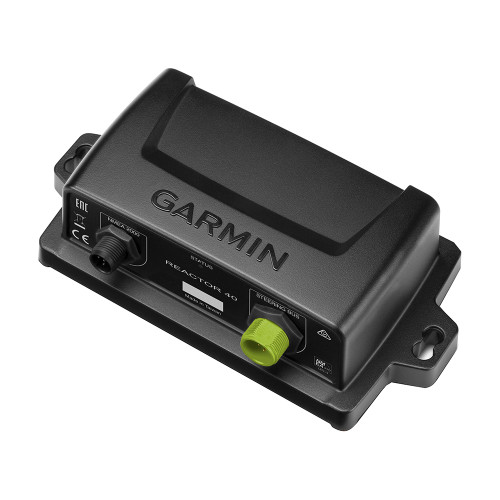
Garmin Reactor 40 Steer-by-Wire Course Computer Unit, NMEA 2000
Out of stock

Garmin Reactor 40 Course Computer Unit, For Volvo Penta, NMEA 2000
Out of stock
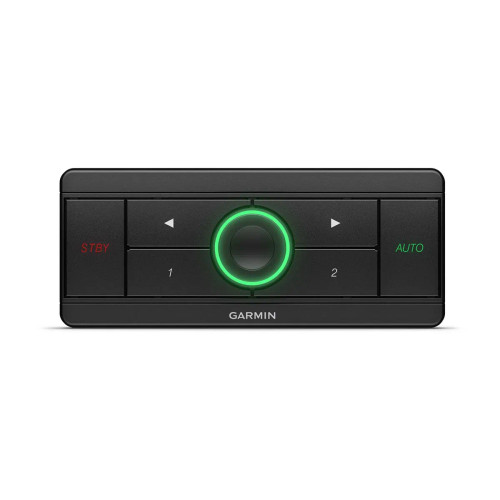

Garmin APK 10 Autopilot Keypad, For Reactor 40, NMEA 2000, IPX7

Garmin GNA 10 Jog Lever Adapter, For Reactor 40 Autopilots, NMEA 2000, IPX7, 9-32V
Out of stock