


Garmin Panoptix LiveScope Scanning Sonar System, GLS 10 Sonar Black Box, LVS32 Transducer, Thru-Hull Mount, 10-32V, IPX7, Up to 200 ft


-
Perfect Fit, Guaranteed
Get the right part every time
-
Expert Support
Our in-house specialists know our products inside and out
-
Enhanced Value & Service
We go beyond the sale with professional and balanced services
-
Wordwide Delivery
Enjoy hassle-free worldwide delivery
Garmin Panoptix LiveScope Scanning Sonar System, GLS 10 Sonar Black Box, LVS32 Transducer, Thru-Hull Mount, 10-32V, IPX7, Up to 200 ft

Garmin Panoptix LiveScope Scanning Sonar System, GLS 10 Sonar Black Box, LVS32 Transducer, Thru-Hull Mount, 10-32V, IPX7, Up to 200 ft
Overview
The Garmin 010-02233-00 is a Panoptix LiveScope live-scanning sonar system that pairs the GLS 10 black box sonar module with an LVS32-TH thru-hull transducer for Garmin Marine Network chartplotters. The transducer is rated for up to 200 ft (61 m) of maximum depth/distance and operates from 530 to 1,100 kHz, giving you a live view of fish movement and structure instead of a scrolling history.
This is a thru-hull setup, so the transducer lives below the waterline in clean water flow when it is mounted correctly. The LVS32-TH has a 135 degree front-to-back field of view with a 20 degree side-to-side sweep, which is useful when you want to watch what is happening ahead of the boat or under it without relying on a trolling-motor mount.
Key features
- LiveScope live-scanning sonar view with a maximum depth/distance rating of 200 ft (61 m), which varies with water conditions.
- LVS32-TH field of view: 135 degrees front to back and 20 degrees side to side for a wide look under and around the hull.
- Transducer frequency range: 530 to 1,100 kHz.
- GLS 10 power input from 10 to 32 Vdc for 12 V and 24 V systems; power usage is 21 W typical and 58 W max.
- Garmin Marine Network data output from the GLS 10 to the chartplotter (not a stand-alone display).
- Fairing block use is recommended when the mounting-location deadrise exceeds 5 degrees; the fairing block cutting angle is limited to 25 degrees.
- Metal-hull installs use an isolation plate, and the transducer must be secured with at least one anti-rotation bolt to prevent it from turning under way.
What's included
- GLS 10 sonar module
- LVS32-TH thru-hull transducer
- Fairing block (with backing block use from the remaining section during installation)
- Isolation plate for aluminum or steel hull installations
- Anti-rotation hardware and thru-hull mounting hardware
- Transducer drilling template
- Anti-seize compound
Compatibility and system integration
The GLS 10 outputs sonar data over Garmin Marine Network, so your chartplotter needs a compatible Garmin Marine Network connection to display LiveScope views. Plan a clean power feed to the module (10 to 32 Vdc) and mount the black box where it has ventilation and where you can reach the network, power, and transducer connections without putting strain on the cables.
For mounting near sensitive instruments, the compass-safe distance for the sonar module is 7 in (178 mm). Software updates matter with LiveScope; make sure your chartplotter software is current before the first trip so features like stabilization and transducer-orientation handling behave as expected.
Installation and setup
A thru-hull LiveScope install is a real hull penetration, so take the time to pick a spot with smooth water flow and clear access inside the boat for washers, nuts, and sealing. Avoid locations behind strakes, intakes, discharges, or anything that can introduce air bubbles or turbulence around the transducer face. The transducer and fairing should end up parallel to the keel for consistent sonar coverage.
If the deadrise at the mounting point is over 5 degrees, a fairing block is used to level the transducer, and the fairing block can only be cut up to 25 degrees. For fin-keel sailboats, a common placement is 10 to 30 in in front of the keel and no more than 4 in to the side of the centerline, keeping the beam clear of keel shadow and aeration.
Maintenance and care
After launching, check for leaks around any below-waterline work before leaving the boat in the water for extended periods. Keep the transducer face clean, since marine growth can reduce performance quickly; wash with mild detergent and a soft cloth, and use a scouring pad only when fouling is heavy.
To slow growth and help protect against corrosion on metal hardware, apply a water-based anti-fouling paint to the transducer about every six months. Avoid ketone-based anti-fouling paints, which can damage plastics used in transducer housings.
Use cases on board
This setup makes sense for boats that want LiveScope performance without a trolling-motor mount, including offshore and inshore fishing boats, sailboats, and larger center consoles where a thru-hull location keeps the transducer in stable water flow. It is also a good match when you want the LiveScope view available at the helm and at the fishing station through a networked Garmin chartplotter.
We ship all in-store (FL) stock orders the same day if placed before 3 PM EST, Monday through Friday. Orders placed after this time will ship the next business day. Orders fulfilled from other warehouses or manufacturers may not ship the same day. If an item is out of stock, we will notify you promptly.
Related Products
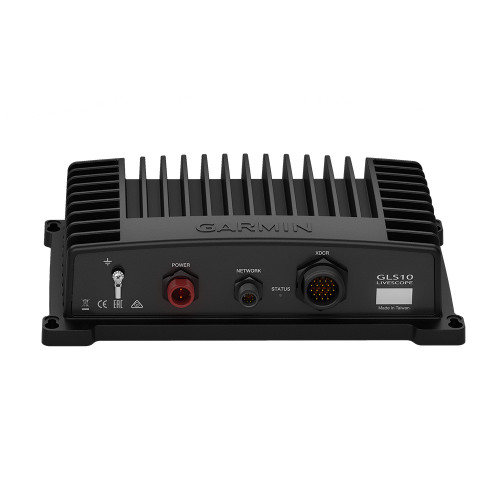
Garmin LiveScope GLS 10 Sonar Module, For LVS32 Transducer, 10-32V, IPX7


Garmin Panoptix LiveScope Ice Fishing Kit, For ECHOMAP/GPSMAP, LVS32 Transducer, GLS 10 Sonar Module, 200 ft, 12Ah Battery
Out of stock
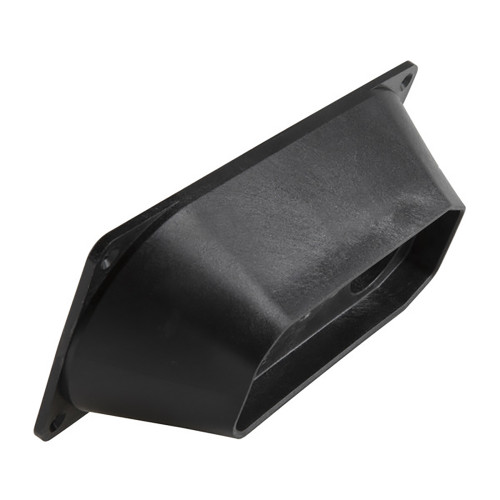
Garmin Panoptix LiveScope LVS32 Thru-Hull Fairing Block, For LVS32-TH Thru-Hull Down Transducer
Out of stock

Garmin Panoptix LVS32 Transducer, GLS 10 Required, LiveScope Forward/Down

Garmin LVS32 Thru-Hull Stem Extender, For Panoptix LiveScope, Adds 6 in
Out of stock