


Simrad xSonic Airmar TM260 Transom-Mount Transducer, 50/200 kHz, 1 kW, Broadband, 9-Pin, Temp Sensor, 10 m Cable


-
Perfect Fit, Guaranteed
Get the right part every time
-
Expert Support
Our in-house specialists know our products inside and out
-
Enhanced Value & Service
We go beyond the sale with professional and balanced services
-
Wordwide Delivery
Enjoy hassle-free worldwide delivery
Simrad xSonic Airmar TM260 Transom-Mount Transducer, 50/200 kHz, 1 kW, Broadband, 9-Pin, Temp Sensor, 10 m Cable

Simrad xSonic Airmar TM260 Transom-Mount Transducer, 50/200 kHz, 1 kW, Broadband, 9-Pin, Temp Sensor, 10 m Cable
Overview
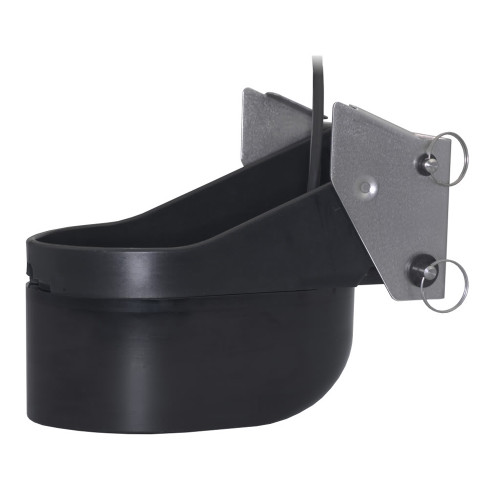
The Simrad 000-13904-001 is a 1 kW 50/200 kHz transom-mount sonar transducer with a 9-pin black connector and a 10 m cable. It uses an eight-element layout (one 200 kHz element plus a seven-element 50 kHz array) to keep fish targets separated while still holding a clean bottom line when you are working close to structure.
At 50 kHz it carries a wider 19 degree beam for coverage and deep-water work, and at 200 kHz it tightens to a 6 degree beam for sharper detail. Depth performance is rated to 792 m at 50 kHz and 305 m at 200 kHz, and there is a built-in temperature sensor (no speed sensor). The transducer body measures 108 x 191 x 74 mm without the bracket and weighs 4 kg, so it is worth checking transom clearance and trailer bunk alignment before drilling.
Key features
- Dual-frequency 50/200 kHz with 1 kW output for conventional sonar setups.
- Beamwidths of 19 degrees at 50 kHz and 6 degrees at 200 kHz to balance coverage with target detail.
- Eight-element construction (seven elements at 50 kHz plus one at 200 kHz) for strong bottom tracking and fish separation.
- Built-in temperature sensor for on-screen water temp readings (no speed sensor).
- 10 m attached cable with a 9-pin black connector for compatible sonar ports.
- Urethane housing with a stainless kick-up bracket to help protect the transducer if it contacts debris.
- Mount geometry supports transom angles up to 28 degrees, which helps on deeper-V hulls where the running surface is not flat.
Compatibility and fit
This is a 50/200 kHz transducer that needs a sounder capable of driving a 1 kW load. Confirm your display or sonar module supports 1 kW conventional transducers and has the correct 9-pin transducer connection.
If your boat is already wired for a 7-pin transducer port, an appropriate 9-to-7 pin adapter is typically used at the display end so you can keep the transducer and cable intact. It is commonly fitted on outboard and sterndrive boats where a thru-hull is not practical and where you want service access at the transom.
Installation and setup
Mount it where the face stays in clean water when the boat is on plane. On most hulls that means low on the transom, slightly to starboard of the keel, and clear of steps, strakes, intakes, and the prop wash path. Keep the running face parallel to the waterline at cruise, then fine-tune after a sea trial if you see aeration or bottom loss at speed.
Use proper bedding/sealant on all fasteners and any cable pass-through, and leave enough slack for engine tilt and for the bracket to kick up. Route the 10 m cable away from ignition wiring, high-current DC runs, and VHF antenna coax where possible to reduce noise on the sounder.
On-board use
Most skippers use 50 kHz when they need depth reach and wider coverage, then switch to 200 kHz when they want tighter detail around reefs, wrecks, and hard bottom. This setup suits offshore anglers and crews who spend time marking bait and working fish tight to the seabed while still wanting a transom-mount installation they can service without hauling the boat.
Maintenance and care
Rinse the housing and bracket after saltwater use and check the bracket hardware for tightness a few times a season. Keep the transducer face clean and free of heavy growth, and inspect the cable jacket anywhere it is clamped or passes through the transom so you catch chafe early.
We ship all in-store (FL) stock orders the same day if placed before 3 PM EST, Monday through Friday. Orders placed after this time will ship the next business day. Orders fulfilled from other warehouses or manufacturers may not ship the same day. If an item is out of stock, we will notify you promptly.
Related Products
Garmin TM260 Transom-Mount Transducer, 1kW, 50/200 kHz, Depth/Temp, 8-Pin
Out of stock

Simrad xSonic Airmar B45 Bronze Thru-Hull Transducer, 9-Pin, 50/200 kHz, 600W, Depth/Temp, With Fairing Block, 10m Cable
Out of stock

Simrad xSonic SS164 Tilted Element Thru-Hull Transducer, 9-Pin, 1 kW, 50/200 kHz, Stainless Steel, Depth/Temperature, 10 m Cable

Simrad XSONIC TM275LH-W Transom-Mount CHIRP Transducer, 1 kW, 42-65/150-250 kHz, Wide Beam 25°, Dual 9-Pin Connectors, 10 m Cable, Temperature Sensor

Simrad xSonic HDI Thru-Hull Transducer, 50/200 kHz, 455/800 kHz DownScan Imaging, 9-Pin Connector, Water Temp Sensor, Bronze Housing, 10 m (33 ft) Cable