


Garmin TM260 Transom-Mount Transducer, 1kW, 50/200 kHz, Depth/Temp, 8-Pin

-
Perfect Fit, Guaranteed
Get the right part every time
-
Expert Support
Our in-house specialists know our products inside and out
-
Enhanced Value & Service
We go beyond the sale with professional and balanced services
-
Wordwide Delivery
Enjoy hassle-free worldwide delivery
Garmin TM260 Transom-Mount Transducer, 1kW, 50/200 kHz, Depth/Temp, 8-Pin

Garmin TM260 Transom-Mount Transducer, 1kW, 50/200 kHz, Depth/Temp, 8-Pin
Overview
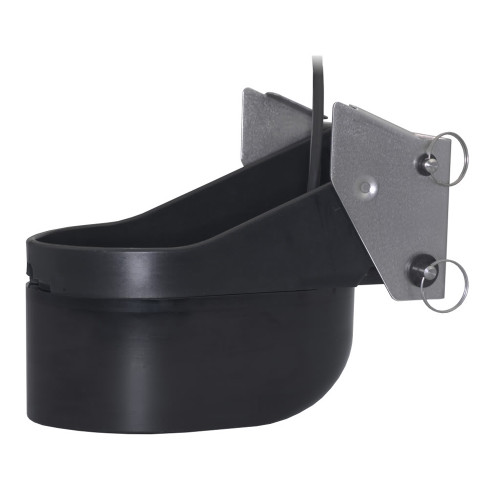
The Garmin TM260-8G is a 1 kW transom-mount transducer that reads depth and water temperature through traditional 50/200 kHz sonar with a Garmin 8-pin connector.
It runs at 50 kHz with a 19° beam and 200 kHz with a 6° beam, so you can balance wider coverage with tighter target detail depending on what you are doing. The mounting setup is intended for common transom angles from 2° to 20°, and the attached cable is 10 m (33 ft) to reach the helm or electronics bay without splices on many boats.
Key features
- Traditional dual-frequency sonar: 50/200 kHz operation
- 1 kW power rating for full-size sounder installations that support 1 kW transducers
- Beamwidths: 19° at 50 kHz and 6° at 200 kHz for a choice between coverage and tighter target separation
- Depth and fast-response water-temperature sensing
- Garmin 8-pin connector for compatible Garmin sonar ports
- 10 m (33 ft) attached cable for flexible routing to the display or sounder module
- Transom-mount hardware that includes a kick-up style bracket that can swing up if it strikes an object
- Housing built for continuous in-water use with a urethane body and stainless-steel bracket hardware
Compatibility and fit
This transducer connects through a Garmin 8-pin transducer port. Confirm your Garmin display or sonar module has the matching 8-pin connection and supports 1 kW transducers. If your Garmin sounder uses a 6-pin transducer port, an adapter cable is required.
It is a transom-mount style that suits many outboard and sterndrive boats where the transducer can sit in clean water flow aft of the hull. Check for clearance from strakes, steps, and trailer bunks, and make sure the mounting location allows the face to sit level to the waterline when the boat is running.
Installation and setup
Plan the transducer position so it stays in solid water at speed and is not aerated by a prop, intake, or through-hull discharge. A small change in height or lateral position can make the difference between steady bottom tracking and intermittent readings.
Route the 10 m cable with gentle bends and secure it away from moving steering parts and sharp edges. Leave enough slack at the transom for the bracket to kick up and return without pulling on the cable.
Use cases on board
This is a good match for boats that want dependable bottom tracking and water-temperature data for coastal cruising, offshore runs, and fishing. The 50 kHz mode is commonly used when you need deeper reach, while 200 kHz is commonly used when you want a tighter beam for sharper definition over structure.
Maintenance and care
Rinse the transducer and bracket after saltwater use and keep growth off the face so the sonar signal is not blocked. Periodically check that fasteners stay tight and that the kick-up action moves freely, especially after trailering or a hard docking bump.
Inspect the cable jacket along the run for chafe and protect it where it passes through rigging tubes or bulkheads. Avoid sanding, scraping, or painting the sensing face.
We ship all in-store (FL) stock orders the same day if placed before 3 PM EST, Monday through Friday. Orders placed after this time will ship the next business day. Orders fulfilled from other warehouses or manufacturers may not ship the same day. If an item is out of stock, we will notify you promptly.
Related Products
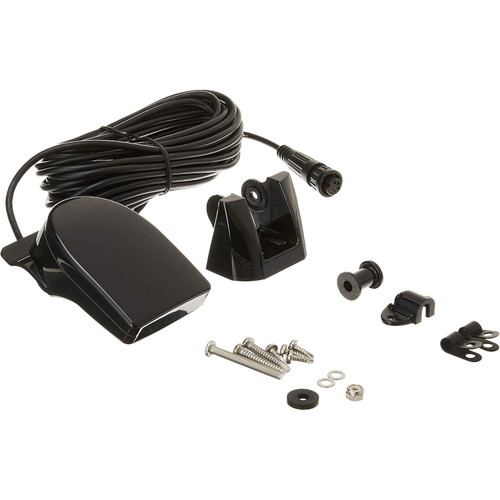

Garmin Transom-Mount Depth/Temp Transducer, 50/200 kHz, 500W, 6-Pin
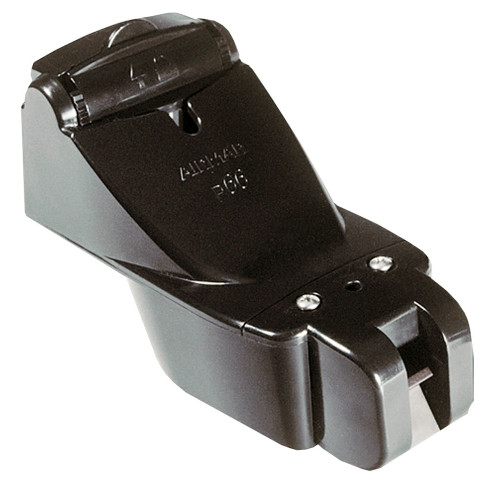
Garmin P66 Transom-Mount Transducer, Depth/Speed/Temp, 600W, 50/200 kHz, 8-Pin
Out of stock

Garmin B258 Bronze Thru-Hull Depth/Temp Transducer, 1kW, 50/200 kHz, 8-Pin
Out of stock

Garmin 200/50 kHz Transducer Mount Replacement Kit, For Plastic Transom-Mount Depth/Temp Transducers

Garmin B260 Thru-Hull Depth/Temp Transducer, 8-Pin, 1kW, 50/200 kHz, Bronze, Fairing Block
Out of stock