


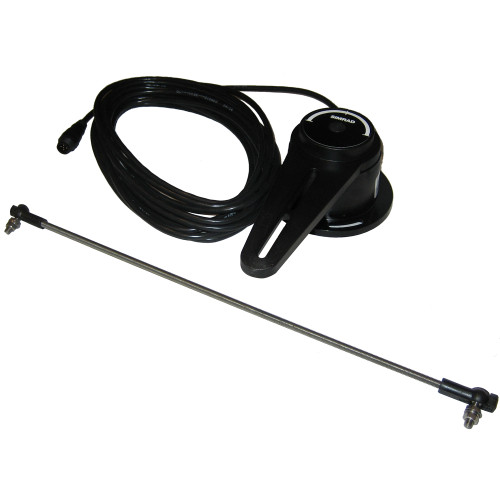
Simrad RF25N Rudder Feedback Unit, NMEA 2000 Micro-C, ±120°, ±0.5°



-
Perfect Fit, Guaranteed
Get the right part every time
-
Expert Support
Our in-house specialists know our products inside and out
-
Enhanced Value & Service
We go beyond the sale with professional and balanced services
-
Wordwide Delivery
Enjoy hassle-free worldwide delivery
Simrad RF25N Rudder Feedback Unit, NMEA 2000 Micro-C, ±120°, ±0.5°

Simrad RF25N Rudder Feedback Unit, NMEA 2000 Micro-C, ±120°, ±0.5°
Overview
The Simrad 000-10756-001 is a rotary rudder feedback sensor that puts real-time rudder angle onto an NMEA 2000 network for autopilot steering systems. It covers a ±120 degree rudder travel and reports with ±0.5 degree accuracy, so the pilot can steer from actual rudder position instead of guessing.
This is the Micro-C version (1 LEN) and it draws about 40 mA from the backbone. The sensor body is compact at 99 x 65 x 177 mm and can be mounted horizontal, vertical, or upside down, which helps when you are working around tight steering gear spaces.
Key features
- NMEA 2000 Micro-C connectivity and rudder angle output on PGN 127245
- ±120 degree measurement range for common rudder systems
- Accuracy rated to ±0.5 degrees (±0.25 degrees within ±5 degrees)
- Low network load: 1 LEN, about 40 mA draw from the backbone
- Compact housing (99 x 65 x 177 mm) with flexible mounting orientation
- Supplied with a transmission link for mechanical connection to the tiller arm or quadrant
What’s included
- RF25N rudder feedback sensor with attached Micro-C cable
- Stainless transmitter link with ball joints (345 mm)
- Mounting screws
Compatibility and fit
This unit is meant for boats with a mechanical rudder arm or quadrant where the autopilot needs rudder angle feedback. It connects to an NMEA 2000 backbone using a Micro-C drop connection; plan on an open T-connector near the steering gear and a properly powered, terminated network. Any compatible device on the network that supports rudder angle data can use it as part of autopilot setup and steering control.
Installation and setup
Mount the sensor close to the rudder post and keep the sensor centerline aligned with the rudder post center. The linkage should move freely through full rudder travel without binding, and the mechanical geometry is intended to be a 1:1 relationship between rudder movement and the sensor lever travel. The transmitter lever is factory adjusted and is not intended to be removed during installation.
The rudder arm connection uses a stud that is installed into a drilled and tapped hole (4.2 mm drill and 5 mm tap). If space is limited, the transmitter rod length can be trimmed so the sensor can sit closer to the rudder post while keeping clean linkage movement.
On-board use and upkeep
This is a good match for cruising sailboats and powerboats where the autopilot is expected to hold a steady course in quartering seas or during long runs, and where predictable rudder feedback helps reduce hunting. After installation, re-check fasteners after a few trips and keep the linkage area free of stored gear so nothing interferes with full rudder travel.
We ship all in-store (FL) stock orders the same day if placed before 3 PM EST, Monday through Friday. Orders placed after this time will ship the next business day. Orders fulfilled from other warehouses or manufacturers may not ship the same day. If an item is out of stock, we will notify you promptly.
Related Products
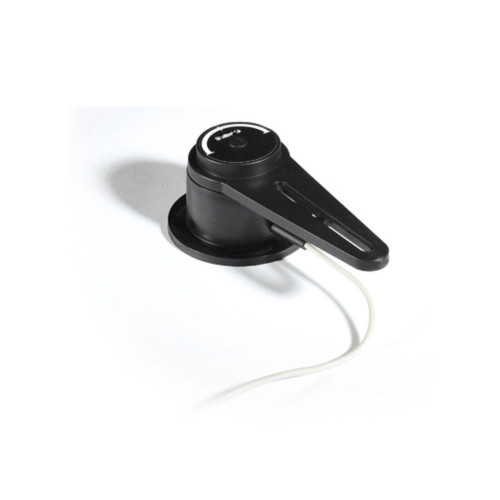

Simrad RF25 Rudder Feedback Sensor, SimNet, NMEA 2000, +/-120 Deg
Out of stock


Simrad NAC-3 Autopilot Core Pack, For Rudder-Steered Boats 10 m+, Precision-9 Solid-State Compass, RF25N Rudder Feedback Unit, NMEA 2000 Micro-C Backbone Kit
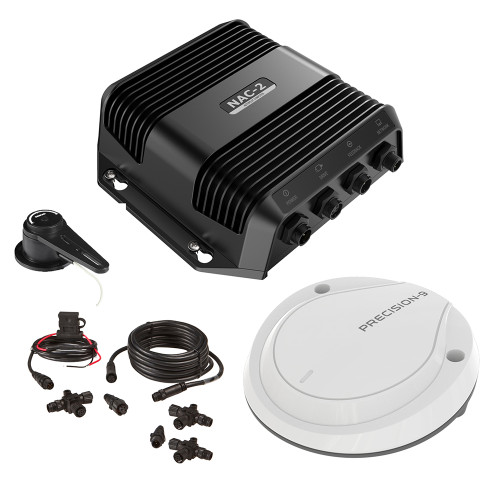

Simrad NAC-2 Autopilot Core Pack, Rudder-Steered Boats up to 10 m, NMEA 2000 Starter Kit, Precision-9 Compass, RF25N Rudder Feedback Unit


Simrad AP44 VRF Autopilot Pack, Virtual Rudder Feedback, NMEA 2000

Simrad SimNet to NMEA 2000 Adapter Cable, Micro-C Male, 0.5 m
Out of stock