


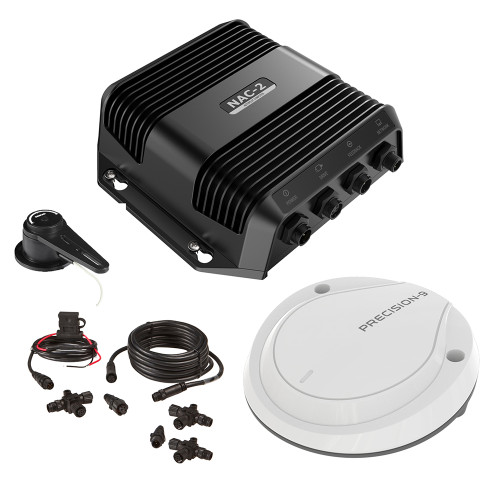
Simrad NAC-2 Autopilot Core Pack, Rudder-Steered Boats up to 10 m, NMEA 2000 Starter Kit, Precision-9 Compass, RF25N Rudder Feedback Unit




-
Perfect Fit, Guaranteed
Get the right part every time
-
Expert Support
Our in-house specialists know our products inside and out
-
Enhanced Value & Service
We go beyond the sale with professional and balanced services
-
Wordwide Delivery
Enjoy hassle-free worldwide delivery
Simrad NAC-2 Autopilot Core Pack, Rudder-Steered Boats up to 10 m, NMEA 2000 Starter Kit, Precision-9 Compass, RF25N Rudder Feedback Unit

Simrad NAC-2 Autopilot Core Pack, Rudder-Steered Boats up to 10 m, NMEA 2000 Starter Kit, Precision-9 Compass, RF25N Rudder Feedback Unit
Overview
The Simrad 000-13335-001 is an autopilot core pack that bundles the NAC-2 autopilot computer with a Precision-9 solid-state compass, an RF25N rudder reference sensor, and a Micro-C backbone kit for an NMEA 2000 network. It is intended for rudder-steered boats up to 10 metres (35 feet) and is completed by adding a drive unit plus an autopilot controller or a compatible Simrad multifunction display. The NAC-2 accepts 9-31.2 V DC and supports low-current drive pumps, mechanical drives, hydraulic linear drives, and solenoid valves with up to 8 A continuous drive output (16 A peak) plus a 3 A clutch output.
The Precision-9 connects over NMEA 2000 and outputs heading, rate of turn, pitch, and roll; heading accuracy is ±2° after calibration, and the housing is rated IPX7. The RF25N provides rudder position feedback on the same network and is rated IPX6.
Key features
- Core autopilot components for rudder-steered boats up to 10 m (35 ft) in one pack, with NMEA 2000 backbone parts to start a network or tie into an existing one
- NAC-2 input range of 9-31.2 V DC for 12 V and 24 V electrical systems
- Drive output rated up to 8 A continuous (16 A peak) plus a 3 A clutch output for low-current pumps, mechanical drives, hydraulic linear drives, and solenoid valves
- NAC-2 environmental rating IPX5, operating temperature range -25°C to +55°C, and compact mounting footprint (204 x 207 x 57 mm)
- Precision-9 heading sensor outputs heading, rate of turn, pitch, and roll on NMEA 2000; IPX7 rating and bracket mounting for bulkhead or up-mast placement
- RF25N rudder reference sensor connects directly to NMEA 2000 via Micro-C and supports flexible mounting (horizontal, vertical, or upside-down)
What’s included
- Precision-9 Compass
- NAC-2 Autopilot Computer
- Micro-C Backbone Kit
- RF25N Rudder Reference Sensor with Micro-C connector
Compatibility and fit
This pack is built around NMEA 2000 (Micro-C) networking, so it fits cleanly into modern Simrad installations where the autopilot computer, sensors, and control head or MFD share a common backbone. It is suitable for low-current drive pumps, mechanical drives, hydraulic linear drives, and solenoid valves, as long as the drive unit is matched to your steering system and the NAC-2 output limits.
If you already have an NMEA 2000 backbone on board, the included backbone kit can be used for extending or making the autopilot connection points you need. If you are starting from scratch, it covers the basic backbone hardware so you can get the core network in place before you add other instruments and displays.
Installation and setup
The NAC-2 is typically mounted below deck on a firm bulkhead or panel where it stays accessible for wiring and service. Plan space for the unit (204 x 207 x 57 mm) and keep cable runs tidy with strain relief so vibration does not work connectors loose over time.
Precision-9 placement matters for steering quality. It can be bracket-mounted in many locations, and its specified compass-safe distance is 0.5 m. Pick a spot away from ferrous metals, speakers, high-current cables, and anything that can shift magnetic fields when it is powered up.
The RF25N mounts near the rudder quadrant or tiller arm and links mechanically to the rudder so the system can read actual rudder angle. It can be mounted horizontally, vertically, or upside-down, which helps when space is tight in a lazarette or steering compartment.
Network and system integration
All core components communicate over NMEA 2000 using standard Micro-C connections, which simplifies troubleshooting and expansion. With the sensors on the backbone, heading and rudder data are available to the autopilot computer and any compatible display on the network, keeping steering and navigation data consistent across the helm.
Use cases on board
This setup is a good match for smaller cruising boats and sailing yachts with rudder steering that want an autopilot foundation that can grow with additional stations or networked displays. It also suits fishing and day boats that need steady course-holding on longer runs, where clean sensor data and proper rudder feedback make a noticeable difference.
Maintenance and care
After the first few sea trials, re-check mounting fasteners, cable clamps, and the rudder linkage for any loosening from vibration. Keep network connectors clean and dry, and periodically inspect the steering compartment for water intrusion that could drip onto wiring or sensor connections.
We ship all in-store (FL) stock orders the same day if placed before 3 PM EST, Monday through Friday. Orders placed after this time will ship the next business day. Orders fulfilled from other warehouses or manufacturers may not ship the same day. If an item is out of stock, we will notify you promptly.
Related Products


Simrad NAC-3 Autopilot Core Pack, For Rudder-Steered Boats 10 m+, Precision-9 Solid-State Compass, RF25N Rudder Feedback Unit, NMEA 2000 Micro-C Backbone Kit


Simrad NAC-3 VRF Autopilot Core Pack, For Outboard and Sterndrive Boats 10m+, Virtual Rudder Feedback, Precision-9 Compass, NMEA 2000 Micro-C Backbone Kit
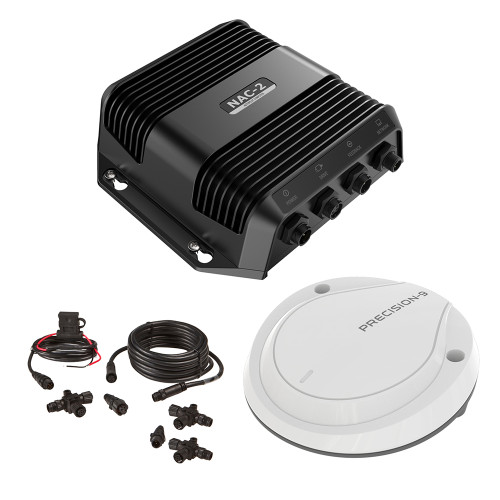
Simrad NAC-2 VRF Autopilot Core Pack, NMEA 2000, Precision-9 Compass
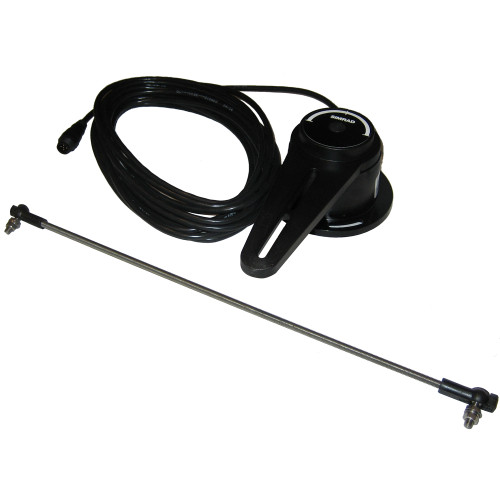
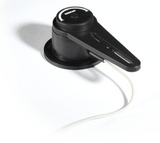
Simrad RF25N Rudder Feedback Unit, NMEA 2000 Micro-C, ±120°, ±0.5°
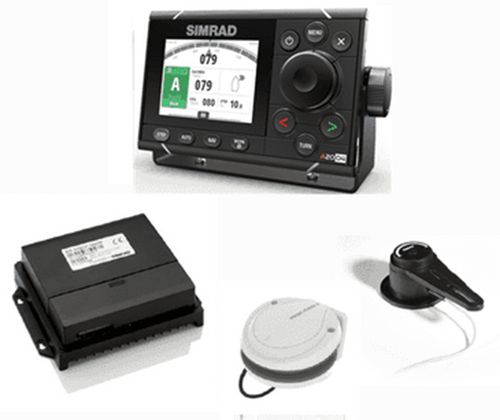
Simrad A2004 Autopilot Compass Pack, AC70 Autopilot Computer, RF300 Rudder Feedback, Precision-9 Compass