


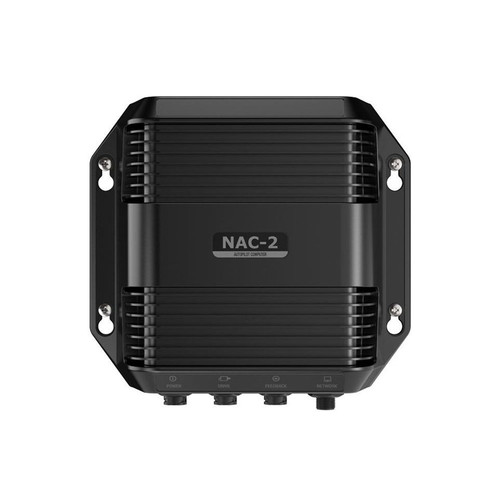
Simrad NAC-2 Low Current Autopilot Computer, For Boats Up to 10m, 9-31.2V, 8A Continuous/16A Peak, NMEA 2000, Virtual Rudder Feedback, IPX5




-
Perfect Fit, Guaranteed
Get the right part every time
-
Expert Support
Our in-house specialists know our products inside and out
-
Enhanced Value & Service
We go beyond the sale with professional and balanced services
-
Wordwide Delivery
Enjoy hassle-free worldwide delivery
Simrad NAC-2 Low Current Autopilot Computer, For Boats Up to 10m, 9-31.2V, 8A Continuous/16A Peak, NMEA 2000, Virtual Rudder Feedback, IPX5
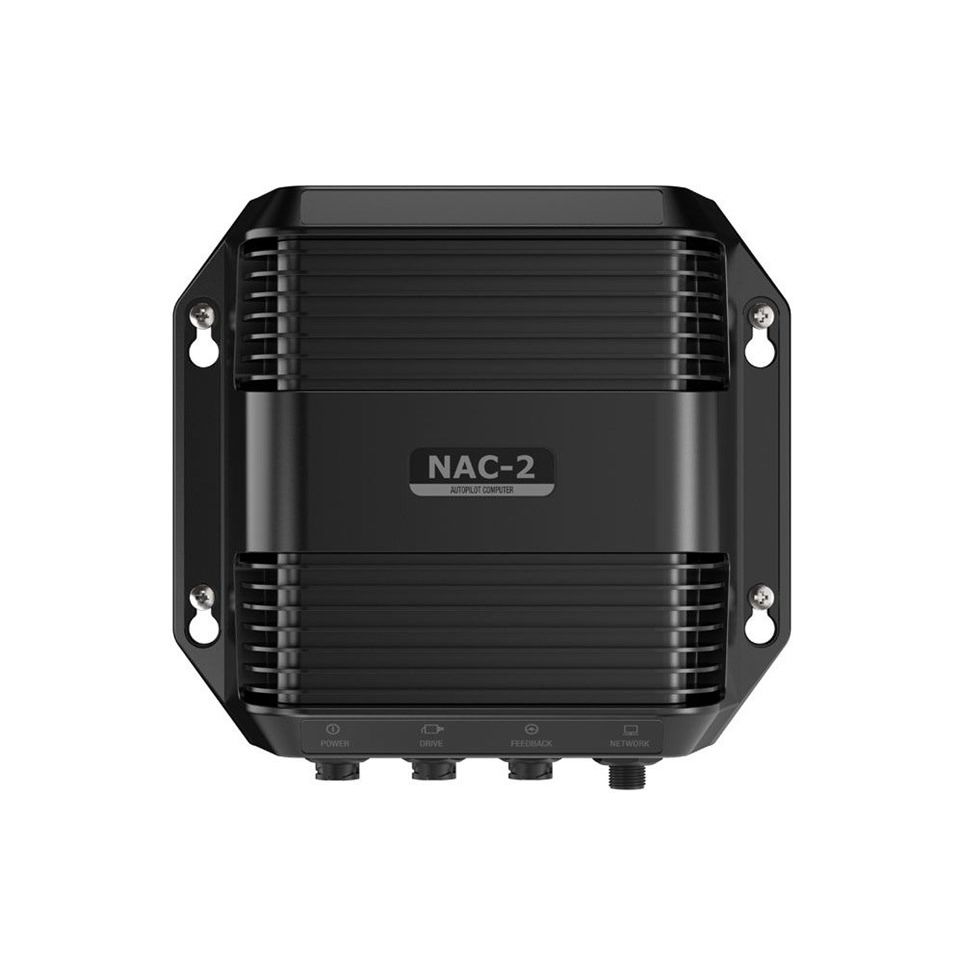
Simrad NAC-2 Low Current Autopilot Computer, For Boats Up to 10m, 9-31.2V, 8A Continuous/16A Peak, NMEA 2000, Virtual Rudder Feedback, IPX5
Overview
The Simrad 000-13249-001 is a NAC-2 low-current autopilot course computer that runs the steering drive and ties the rest of the pilot system together over NMEA 2000. It supports 9 to 31.2 V DC power (12 V and 24 V systems) and is intended for boats up to 10 m (33 ft), where an 8 A continuous drive output matches typical low-current pumps, mechanical drive units, and solenoid valves.
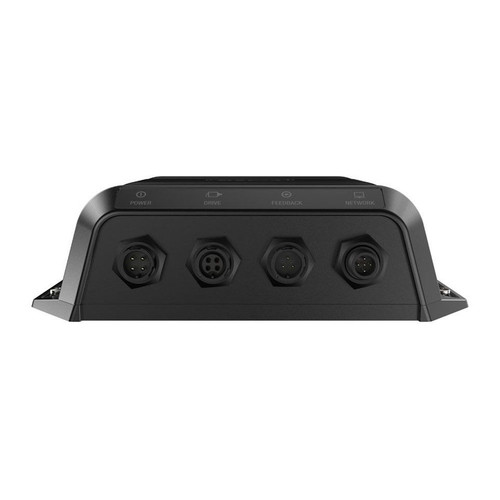
On the network side, it connects to an NMEA 2000 backbone via a Micro-C port (1 LEN), so heading sensors, pilot controllers, and compatible multifunction displays can all share data on the same bus. It can work with Virtual Rudder Feedback on planing outboard and sterndrive boats, and it also supports physical rudder feedback options including Simrad RF25 and resistive rudder sensors.
The housing is rated IPx5 for spray and washdowns, with an operating temperature range of -25 C to +55 C. Keep it at least 500 mm (20 inches) from a magnetic compass and mount it where cabling and service access stay practical.
Key features
- For boats up to 10 m (33 ft) using low-current hydraulic pumps, mechanical drives, hydraulic linear drives, or solenoid valves
- 9 to 31.2 V DC input for 12 V and 24 V electrical systems, with a recommended 20 A fuse
- NMEA 2000 Micro-C networking (1 LEN) for integration with compatible sensors, controllers, and displays
- 8 A continuous drive output for reversible motor or solenoid steering control, sized for low-current drives
- Separate engage output for bypass or clutch circuits up to 3 A
- Virtual Rudder Feedback support for planing outboard and sterndrive installations where a physical rudder sensor is impractical
- Rudder feedback support for Simrad RF25 and resistive rudder sensors when a physical reference is required
- IPx5 water resistance and shock and vibration performance aligned with EN60945 expectations for marine electronics
What's included
- NAC-2 autopilot computer
- Power cable, 2 m
- Drive cable, 2 m
- Rudder feedback cable, 2 m
- NMEA 2000 network cable, 0.6 m
- Micro-C T-Joiner
- Fixing screws (4)
- Warranty card and literature pack
Installation and setup
This unit is typically mounted below decks close to the steering drive to keep high-current drive wiring short and tidy. Choose a location that stays out of standing water and away from engine heat, and plan the cable routes so connectors are protected from chafe and can be inspected later without tearing the boat apart.
If you are using a 24 V drive configuration, the system needs a 24 V supply to provide 24 V output. In mixed-voltage boats, confirm the drive unit and solenoids match the selected drive voltage before powering up.
Electrical and system integration
Power it from the vessel DC distribution through a 20 A fuse, using proper marine wiring practices for vibration and corrosion control. The NAC-2 joins the NMEA 2000 backbone with its Micro-C connection, so it can share heading, steering, and pilot control with the rest of the network. It also supports an external hardwired input for functions like an Auto/Standby button or SteadySteer, depending on how you configure the system.
Compatibility and fit
Confirm that your steering pump, mechanical drive, or solenoid valve falls within the NAC-2 low-current drive requirements, and that your pilot controller or multifunction display is compatible on the NMEA 2000 network. Virtual Rudder Feedback can reduce hardware in planing outboard and sterndrive setups, while boats that need a true rudder reference can use RF25 or a resistive rudder feedback sensor.
This is a good match for small cruisers and center consoles with hydraulic steering, as well as compact sailboats and displacement hulls where a low-current drive is appropriate and rudder feedback can be provided when needed.
Maintenance and care
There are no user-serviceable parts inside the unit. Periodically check connector seating and cable strain relief, and keep the installation area clean so salt buildup and moisture do not work their way into plugs and terminals.
We ship all in-store (FL) stock orders the same day if placed before 3 PM EST, Monday through Friday. Orders placed after this time will ship the next business day. Orders fulfilled from other warehouses or manufacturers may not ship the same day. If an item is out of stock, we will notify you promptly.
Related Products


Simrad AP44 VRF Autopilot Pack, Virtual Rudder Feedback, NMEA 2000
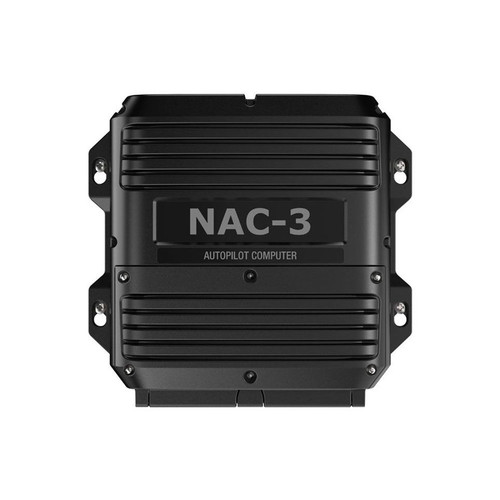

Simrad NAC-3 Autopilot Computer, NMEA 2000, NMEA 0183, 30A Continuous, 50A Peak
Out of stock


Simrad NAC-3 VRF Autopilot Core Pack, For Outboard and Sterndrive Boats 10m+, Virtual Rudder Feedback, Precision-9 Compass, NMEA 2000 Micro-C Backbone Kit
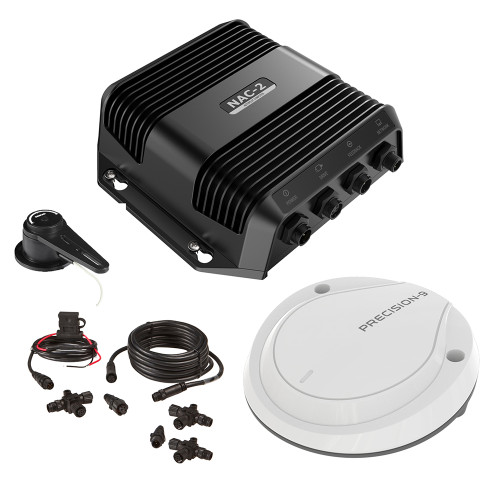

Simrad NAC-2 Autopilot Core Pack, Rudder-Steered Boats up to 10 m, NMEA 2000 Starter Kit, Precision-9 Compass, RF25N Rudder Feedback Unit
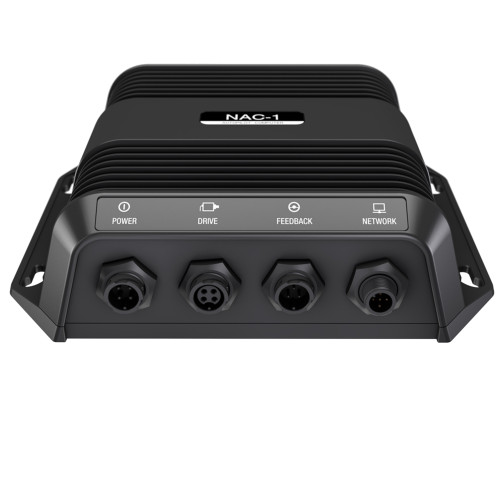
Simrad NAC-1 Autopilot Computer, For PUMP-1 & HELM-1 Drives, NMEA 2000, Up to 30 ft Boats
Out of stock