


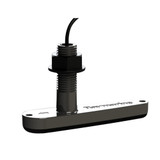
Simrad ST850 Speed/Temperature Sensor, For D800 Depth Thru-Hull Transducer, Plastic, Analog, 5-Pin Connector

-
Perfect Fit, Guaranteed
Get the right part every time
-
Expert Support
Our in-house specialists know our products inside and out
-
Enhanced Value & Service
We go beyond the sale with professional and balanced services
-
Wordwide Delivery
Enjoy hassle-free worldwide delivery
Simrad ST850 Speed/Temperature Sensor, For D800 Depth Thru-Hull Transducer, Plastic, Analog, 5-Pin Connector
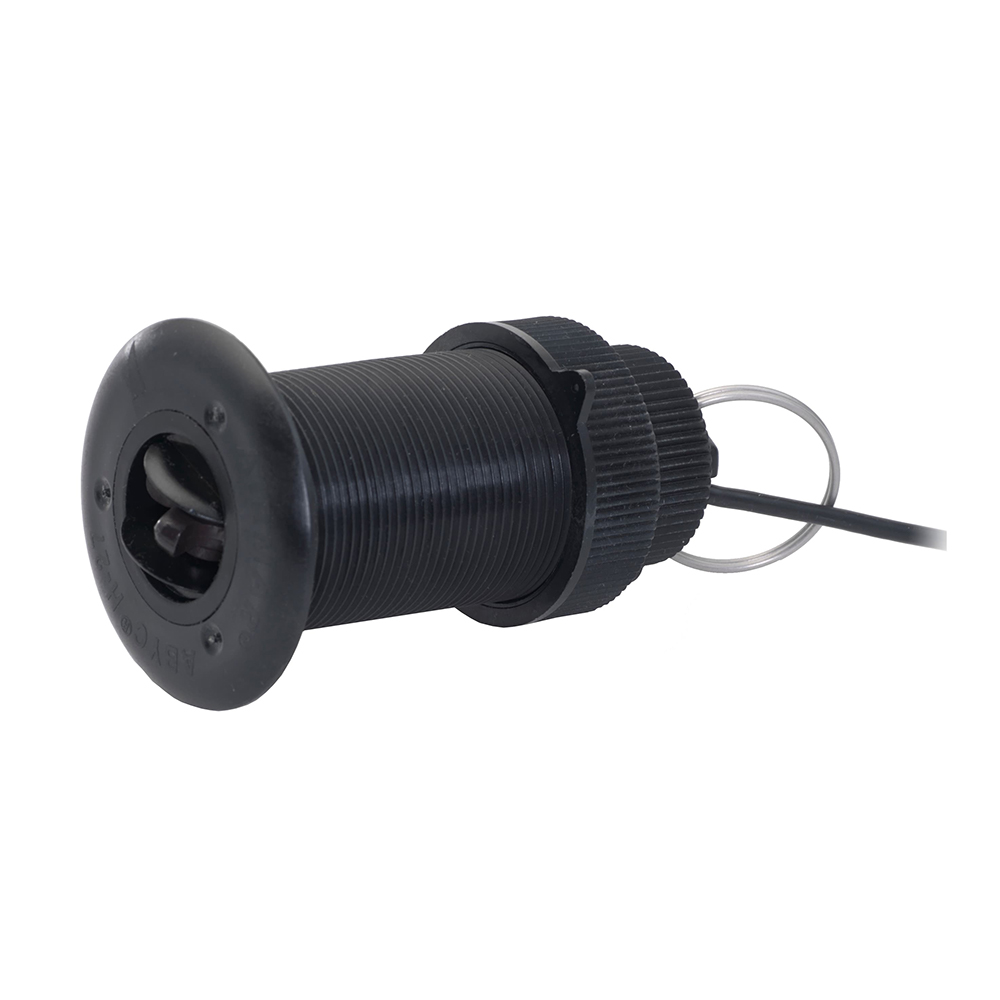
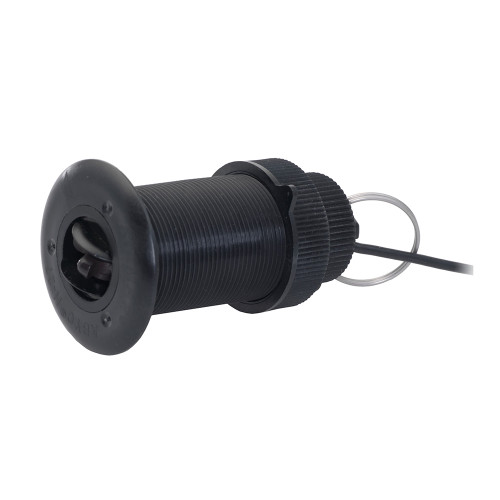
Simrad ST850 Speed/Temperature Sensor, For D800 Depth Thru-Hull Transducer, Plastic, Analog, 5-Pin Connector
Overview
The Simrad 22098586 is a thru-hull speed and water temperature sensor in a plastic housing, built to add speed and temp data to a D800 depth thru-hull setup. It’s a passive (analog) sensor with a 5-pin connection and a 1 m (7 ft) pigtail for routing up to your instrument wiring.
On the water, this gives you paddlewheel speed and sea temperature alongside your depth data, which is useful when you want steady readings at lower speeds where GPS can feel jumpy. The insert-style thru-hull design includes a valve in the housing to help limit water flow into the bilge when the sensor is pulled for service, but it still needs proper bedding and a leak check after launch.
Key features
- Speed and water temperature sensing to complement a D800 depth thru-hull installation
- Passive (analog) sensor output for compatible Simrad instrument inputs
- 5-pin connection with a 1 m (7 ft) pigtail for practical cable routing
- Plastic thru-hull housing commonly used on fiberglass and metal hulls
- Retractable insert with a self-closing valve to reduce water ingress when the insert is removed for cleaning
- Paddlewheel-based speed that stays useful for close-quarters maneuvering and sailing trim work
Compatibility and fit
This sensor is intended to be used as the speed and temperature partner to a D800 depth thru-hull, creating a complete set of depth, speed, and temp data for a compatible Simrad instrument system. It is not a depth transducer by itself, and it does not replace a combined depth-speed-temp unit.
Because it’s a thru-hull fitting, plan for inside-hull access to the retaining nut and the cable run. A typical installation uses a 51 mm (2 in) hull cutout for the housing, and the location matters: pick a spot with clean water flow, away from strakes, steps, and turbulence from intakes or props.
Installation and setup
Dry-fit the housing to confirm clearance, then bed it with an appropriate marine sealant and tighten to a firm, even seat without stressing the hull laminate. Route the cable so it won’t chafe on bulkheads or sharp edges, and keep it separated from engine wiring and high-current runs to avoid noise in the signal.
After launch, check immediately for leaks and recheck a few hours later. Very small leaks can take time to show up, especially if the boat is left in the water overnight.
Maintenance and care
Paddlewheel sensors need occasional attention in warm water and after long dock time. Pull the insert when needed and clear growth from the paddlewheel so speed readings stay consistent. When applying bottom paint around the fitting, avoid ketone-based paints that can attack many plastics.
This setup is a good match for cruisers and anglers who want a steady onboard speed readout and water temperature without relying only on GPS, especially when trolling, docking, or sailing where small speed changes matter.
We ship all in-store (FL) stock orders the same day if placed before 3 PM EST, Monday through Friday. Orders placed after this time will ship the next business day. Orders fulfilled from other warehouses or manufacturers may not ship the same day. If an item is out of stock, we will notify you promptly.
Related Products

Navico - B60 Thru Hull Transducer 12° Tilt, 9-Pin Xsonic Connector, Depth & Temperature
Simrad SS260 Thru-Hull Transducer, 1kW, 50/200kHz, 9-Pin, Depth/Temp
Out of stock


Simrad SS175M CHIRP Thru-Hull Transducer, 85–135 kHz Medium, Stainless Steel, Depth/Temperature Sensor, Tilted Element
Raymarine DT800 Thru-Hull Depth & Temperature Smart Transducer, SeaTalkng

Raymarine CPT-110 Thru-Hull Transducer, CHIRP, DownVision, Depth/Temperature
Out of stock