


Simrad IDST-810 Thru-Hull Depth/Speed/Temp Transducer, NMEA 2000, 235 kHz, Bluetooth LE, Heel/Trim Sensor


-
Perfect Fit, Guaranteed
Get the right part every time
-
Expert Support
Our in-house specialists know our products inside and out
-
Enhanced Value & Service
We go beyond the sale with professional and balanced services
-
Wordwide Delivery
Enjoy hassle-free worldwide delivery
Simrad IDST-810 Thru-Hull Depth/Speed/Temp Transducer, NMEA 2000, 235 kHz, Bluetooth LE, Heel/Trim Sensor
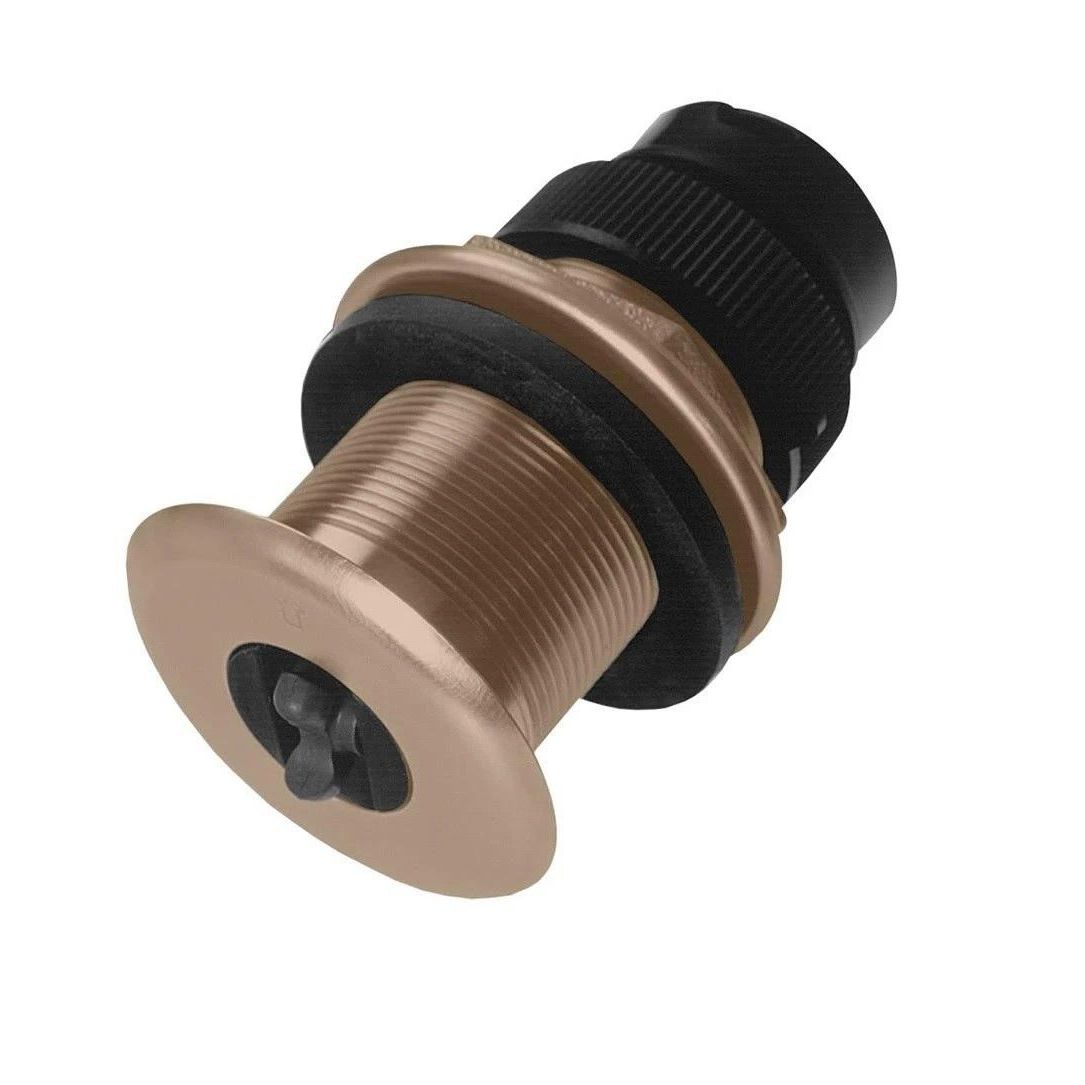
Simrad IDST-810 Thru-Hull Depth/Speed/Temp Transducer, NMEA 2000, 235 kHz, Bluetooth LE, Heel/Trim Sensor
Overview
The Simrad IDST-810 is a thru-hull multi-sensor that reports depth, speed-through-water, water temperature, and boat attitude (heel and trim) over an NMEA 2000 network. Depth is measured at 235 kHz with a working range from 0.5 m (1.6 ft) up to 100 m (330 ft), and speed is updated 5 times per second for a smoother speed-through-water number on your displays.
It installs through a 2 inch (51 mm) hull hole and uses 2 inch-12 threads, with support for hull deadrise up to 22°. Power comes from the NMEA 2000 backbone (9 to 16 VDC, less than 200 mA), and the standard DeviceNet (NMEA 2000) cable length is 6 m (20 ft). Bluetooth Low Energy is built in for setup and calibration from a mobile device, and the unit stores its configuration internally.
Key features
- 5-in-1 data from one thru-hull: depth, speed-through-water, water temperature, heel, and trim
- 235 kHz depth element helps avoid mutual interference with common 50/200 kHz sounders on board
- Depth range: 0.5 m (1.6 ft) to 100 m (330 ft)
- Speed range: 0.3 to 45 knots, with 5X per second speed updates
- Hull deadrise support up to 22° for typical planing and displacement hull mounting areas
- NMEA 2000 powered (9 to 16 VDC) with LEN 3 and less than 200 mA draw
- Bluetooth Low Energy for calibration and configuration from a phone or tablet
- 6 m (20 ft) DeviceNet (NMEA 2000) cable for reaching a nearby backbone tee
Variants
This multi-sensor is offered with different thru-hull housing materials to match common hull builds and corrosion planning.
The sensing functions, NMEA 2000 output, and Bluetooth setup are consistent across the range. The practical difference is the housing material and how it fits into your below-waterline hardware plan, including bonding and any positive-ground considerations on board.
- 000-15735-001: Plastic housing. Suited for fiberglass or metal hulls when you want a non-metal thru-hull at the waterline.
- 000-15736-001: Bronze housing. Commonly used on fiberglass or wood hulls where a traditional bronze thru-hull is preferred and maintained like other bronze fittings below the waterline.
Compatibility and fit
The IDST-810 outputs standard NMEA 2000 data for water depth, speed water reference, distance log, water temperature, and attitude. It will show up on NMEA 2000-capable displays and instrument systems that can read those PGNs. The sensor uses network power (9 to 16 VDC), so plan on a properly powered and terminated backbone rather than a standalone 12 V feed at the sensor.
Physically, the unit uses a 2 inch (51 mm) thru-hull hole and 2 inch-12 threads. Overall body dimensions are about 75 mm (2.94 in) diameter and 125 mm (4.92 in) height, so check for bilge access, deadrise, and clearance for the nut and cable bend radius.
Installation and setup
Like any paddlewheel sensor, placement matters. Look for smooth, clean water flow that stays submerged at speed and sits away from intakes, steps, strakes, prop wash, and other turbulence sources. The insert has an orientation arrow that needs to point forward toward the bow so the paddlewheel and attitude readings line up with the water flow.
Use a marine sealant rated for below the waterline and take the time to seal any exposed core if installing in cored fiberglass. Once installed, Bluetooth setup lets you handle calibrations and offsets without pulling up floorboards to reach the network, but range depends on the mounting location and what is between the sensor and your device.
Use on board
This sensor makes the most sense when you want speed-through-water that updates quickly and you also care about heel and trim data. Sailboats can use the attitude and calibration tools for better speed-through-water numbers on different tacks, and powerboats get a cleaner water-speed signal for cruising and performance checks.
Maintenance and care
In salt water, plan on routine cleaning to keep the paddlewheel spinning freely and the depth face clear of growth. If you apply antifouling near the unit, keep paint out of the paddlewheel channel and off the moving parts so speed readings do not get sluggish. A quick check of the O-rings during haul-outs helps prevent slow leaks and keeps the insert seating properly.
We ship all in-store (FL) stock orders the same day if placed before 3 PM EST, Monday through Friday. Orders placed after this time will ship the next business day. Orders fulfilled from other warehouses or manufacturers may not ship the same day. If an item is out of stock, we will notify you promptly.
Related Products


Garmin Airmar DST 810 Smart Thru-Hull Transducer, NMEA 2000, Depth/Speed/Temp, Attitude Sensing, Bluetooth, 0 Deg Tilt
Out of stock
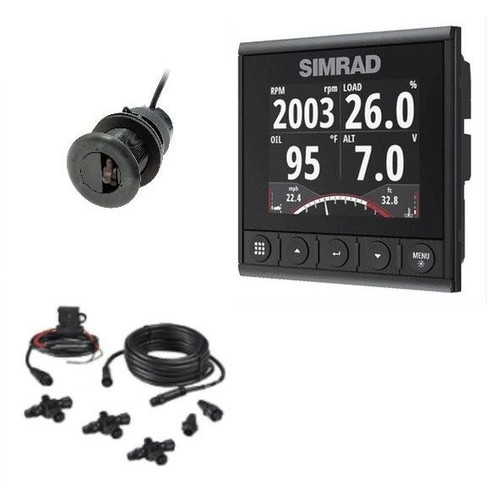

Simrad IS42 Speed/Depth/Temp Pack, DST810 Transducer, NMEA 2000
Out of stock

Simrad SS60 Thru-Hull Depth/Temp Transducer, 50/200 kHz, 600W, Stainless Steel

Garmin P79 In-Hull Depth Transducer, NMEA 2000, 235 kHz, 500 ft Depth, 0-22° Deadrise
Out of stock

Garmin Intelliducer NMEA 2000 Thru-Hull Depth/Temp Transducer, 0-12° Deadrise, 150W, 160 kHz, 900 ft Max Depth
Out of stock