


Garmin P79 In-Hull Transducer, Depth Only, 600W, 50/200 kHz, 8-Pin


-
Perfect Fit, Guaranteed
Get the right part every time
-
Expert Support
Our in-house specialists know our products inside and out
-
Enhanced Value & Service
We go beyond the sale with professional and balanced services
-
Wordwide Delivery
Enjoy hassle-free worldwide delivery
Garmin P79 In-Hull Transducer, Depth Only, 600W, 50/200 kHz, 8-Pin
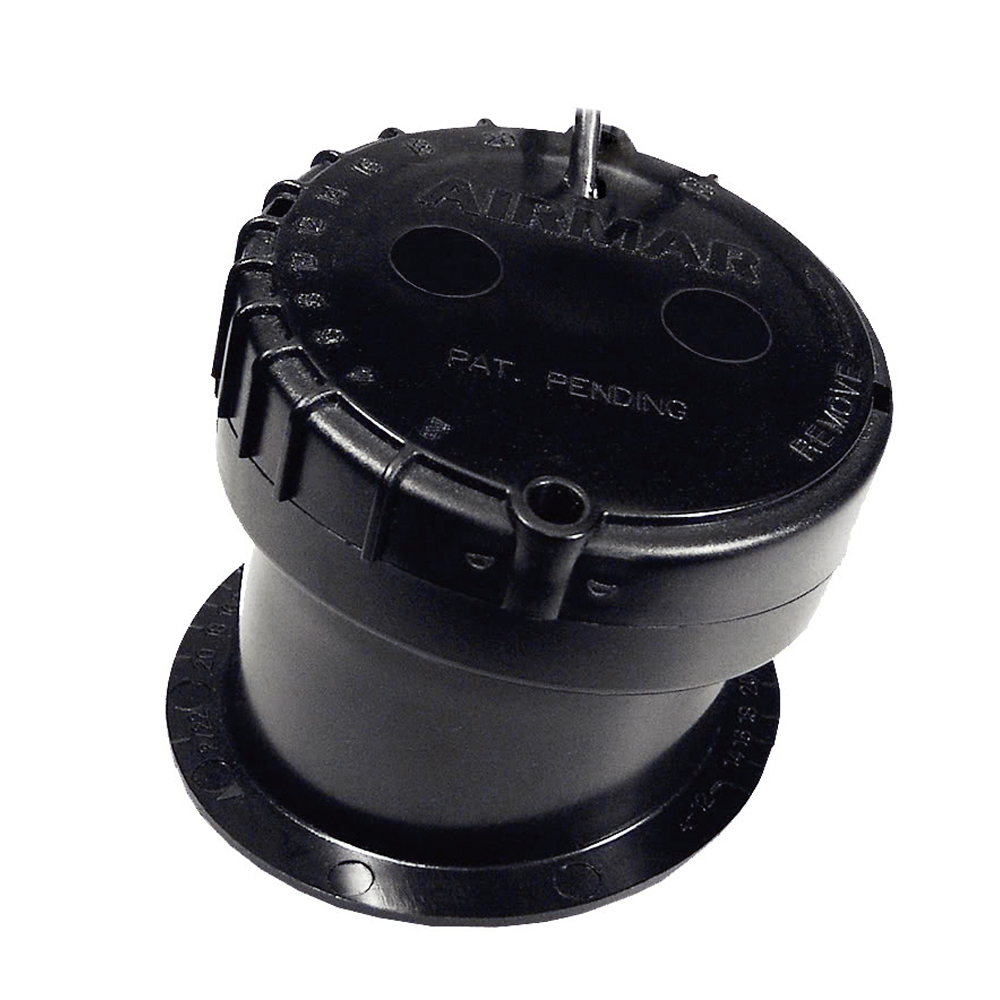
Garmin P79 In-Hull Transducer, Depth Only, 600W, 50/200 kHz, 8-Pin
Overview
The Garmin P79-8G is a 600 W in-hull transducer that bonds inside the boat and reads through a solid fiberglass hull using traditional 50/200 kHz sonar. It connects with an 8-pin Garmin transducer plug and is meant for depth-only sounder operation.
The housing is set up as a small, liquid-filled tank on the inside of the hull, so nothing protrudes outside the boat. The transducer tilts in the mount to match hull deadrise, with adjustment up to 22°, so the beam points straight down instead of shooting off at an angle.
On the water, 50 kHz uses a wider 45° beam for deeper water performance to about 1000 ft, while 200 kHz tightens to a 12° beam for more detail to about 600 ft. Actual depth will vary with bottom type, noise, and how clean the hull laminate is at the mounting spot.
Key features
- 600 W, dual-frequency traditional sonar: 50/200 kHz
- Beamwidth: 45° at 50 kHz and 12° at 200 kHz
- In-hull, depth-only transducer with no holes through the hull and no external drag
- Adjustable mount accommodates hull deadrise angles up to 22°
- Liquid-filled in-hull housing uses non-toxic antifreeze/coolant as the coupling medium
- Recommended for solid fiberglass hull installations and for boats up to 8 m (25 ft) LOA
- 8-pin Garmin transducer connector for compatible Garmin sounders and chartplotters
Compatibility and fit
This transducer is intended to be installed over a solid fiberglass section of the hull where there is no coring, foam, balsa, trapped air, or voids in the laminate. Because the signal must pass through the hull, performance depends heavily on choosing a clean, solid spot and keeping the beam path clear of the keel and running gear.
It is commonly used on planing-hull powerboats and other boats where an external transducer is at risk from trailering, lifts, or impact. It can also be a good match for racing sailboats and RIBs where you want depth data without hardware hanging below the hull.
Installation and setup
Mounting is done inside the hull with the base aligned to the centerline and sealed liquid-tight using silicone sealant. After the sealant cures, the housing is filled with propylene glycol non-toxic antifreeze/coolant, then the transducer is inserted and set to match the local deadrise so the element runs close to vertical.
Before committing to a permanent location, it is worth testing a few spots inside the bilge for a stable depth reading, since some hull layups and reinforcements can weaken the return. Keep the mounting location away from intakes, discharge fittings, strakes, and other features that can introduce aerated water and turbulence at speed.
On-board use
This is a practical choice for boaters who want straightforward depth tracking for coastal cruising, fishing runs, or high-speed operation without an external transducer bracket. It focuses on depth performance rather than adding temperature or speed, which keeps integration simple when you primarily care about bottom lock and depth alarms.
We ship all in-store (FL) stock orders the same day if placed before 3 PM EST, Monday through Friday. Orders placed after this time will ship the next business day. Orders fulfilled from other warehouses or manufacturers may not ship the same day. If an item is out of stock, we will notify you promptly.
Related Products

Garmin P79 Adjustable In-Hull Depth Transducer, 50/200 kHz, 600W, 6-Pin Connector, 0-22° Deadrise
Out of stock
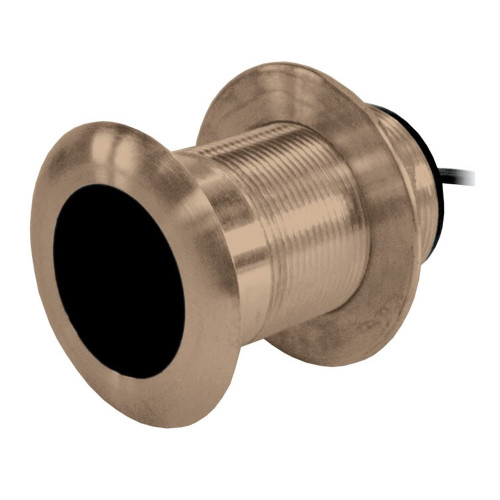
Garmin B117 Bronze Thru-Hull Depth/Temp Transducer, 8-Pin, 600W, 50-200 kHz
Out of stock
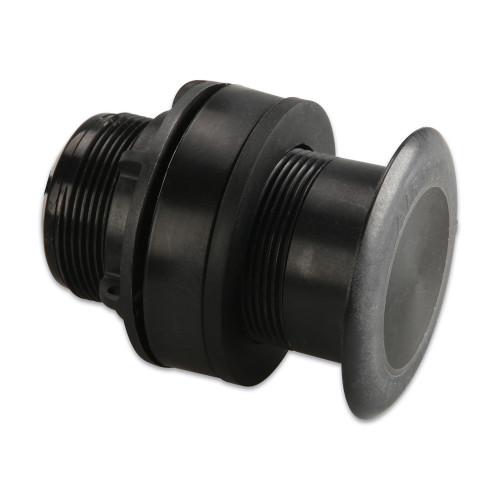
Garmin P319 Plastic Thru-Hull Depth/Temp Transducer, 8-Pin, 600W 50/200 kHz

Garmin Airmar B117 Bronze Thru-Hull Transducer, 50/200 kHz, 600W, Depth/Temp, 6-Pin
Out of stock
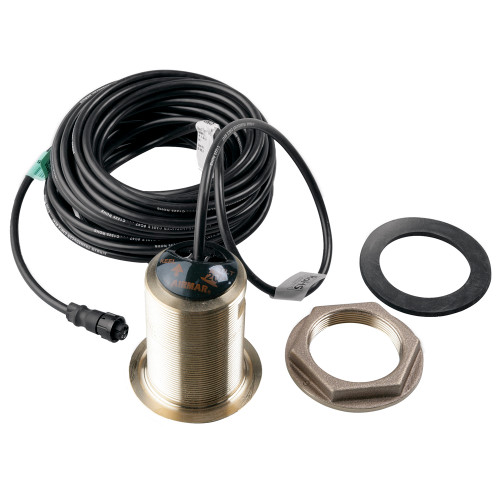
Garmin B60-20 Thru-Hull Transducer, Bronze, 50/200 kHz, 600W, Depth/Temp, 6-Pin
Out of stock