


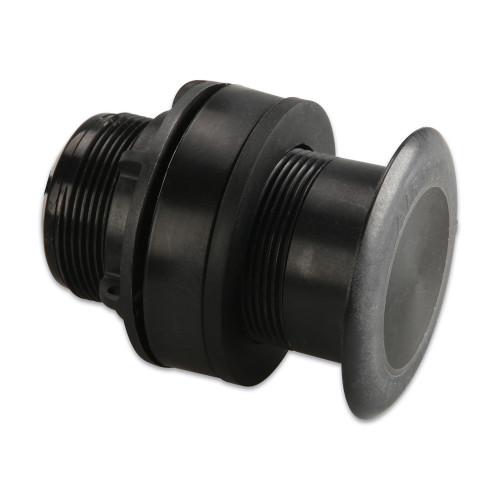
Garmin P319 Plastic Thru-Hull Depth/Temp Transducer, 8-Pin, 600W 50/200 kHz

-
Perfect Fit, Guaranteed
Get the right part every time
-
Expert Support
Our in-house specialists know our products inside and out
-
Enhanced Value & Service
We go beyond the sale with professional and balanced services
-
Wordwide Delivery
Enjoy hassle-free worldwide delivery
Garmin P319 Plastic Thru-Hull Depth/Temp Transducer, 8-Pin, 600W 50/200 kHz

Garmin P319 Plastic Thru-Hull Depth/Temp Transducer, 8-Pin, 600W 50/200 kHz
Overview
The Garmin 010-10194-21 is a P319 plastic thru-hull depth and temperature transducer with an 8-pin connector. It runs 600 W of traditional dual-frequency sonar at 50 and 200 kHz, with a 45-degree beam at 50 kHz and a 12-degree beam at 200 kHz.
This is a low-profile thru-hull style that keeps the outside footprint close to the hull, with about 3/16 in extending below the bottom. It fits a 2 in (51 mm) hole and uses a 2.50 in (63.5 mm) usable shaft length, so it is a good match when you have inside access and you want a clean install that still reads well at speed.
It is intended for fiberglass and metal hulls and is not recommended for wood hulls. Best performance is on hull sections with up to 7 degrees of deadrise, while accommodating up to 12 degrees.
Key features
- 600 W dual-frequency sonar at 50 and 200 kHz for traditional depth sounders
- 45-degree beamwidth at 50 kHz and 12-degree beamwidth at 200 kHz
- Depth and water-temperature sensing, with depth performance up to 1,200 ft at 50 kHz and up to 700 ft at 200 kHz
- Low-profile thru-hull shape with about 3/16 in extending outside the hull to reduce drag
- 2 in (51 mm) hole size with a 2.50 in (63.5 mm) usable shaft length
- Works best through 7 degrees of deadrise and accommodates up to 12 degrees
- Plastic housing suited to fiberglass and metal hulls; not recommended for wood hulls
- Right-angle cable exit to save clearance in tight bilges and reduce exposure to foot traffic
- Housing compliance to ABYC H-27
Compatibility and fit
This transducer uses an 8-pin connection, so the key check is the transducer port on your Garmin sonar or chartplotter. If your sounder uses a different transducer connector style, plan for the correct adapter between the unit and the transducer before you cut the hole.
For best readings, confirm the deadrise where it will land and make sure you have room inside for the mounting nut and cable bend radius. The right-angle cable exit helps in shallow bilge spaces where a straight exit would hit a stringer or the inside of the hull.
Installation and setup
Choose a location that stays in clean water flow when the boat is on plane, away from steps, strakes, intakes, and trailer bunks. From inside, verify you can reach the area to drill a 2 in hole, tighten the nut, and seal the fitting properly.
Bed the housing with a marine sealant suited for below-the-waterline fittings and tighten the hull nut evenly so it seats cleanly on the hull surface. After routing the cable, keep it supported and protected from chafe, avoid tight bends, and leave a drip loop where the cable enters a console or electronics space.
Use on board
This style of thru-hull transducer is a good match for boats that run at speed and still want consistent depth and temperature readings, such as center consoles, bay boats, and smaller cruisers with fiberglass or metal bottoms. It also works well on sailboats that have the inside access for a thru-hull install and want a low outside profile.
Maintenance and care
Check the outside face periodically for marine growth and clean it with a soft pad so the sonar can shoot cleanly through the housing. During routine bilge checks, inspect the inside nut and sealing area for any sign of seepage, and make sure the cable remains secure and free of abrasion.
We ship all in-store (FL) stock orders the same day if placed before 3 PM EST, Monday through Friday. Orders placed after this time will ship the next business day. Orders fulfilled from other warehouses or manufacturers may not ship the same day. If an item is out of stock, we will notify you promptly.
Related Products

Garmin P319 Depth/Temp Thru-Hull Transducer, 50/200 kHz, 600W, 6-Pin, 0-7 Deg Deadrise
Out of stock
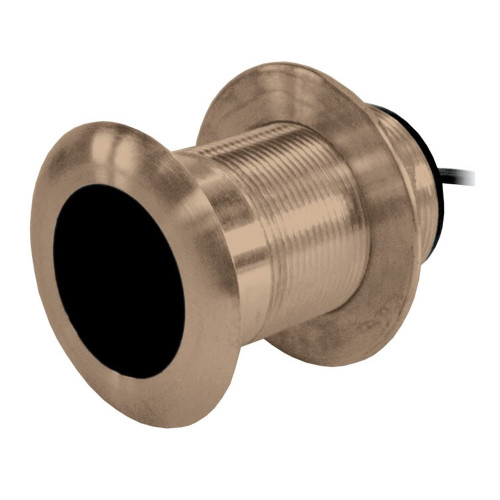
Garmin B117 Bronze Thru-Hull Depth/Temp Transducer, 8-Pin, 600W, 50-200 kHz
Out of stock

Garmin Airmar B117 Bronze Thru-Hull Transducer, 50/200 kHz, 600W, Depth/Temp, 6-Pin
Out of stock
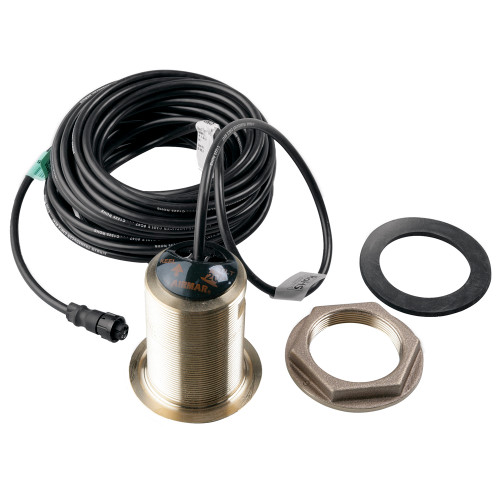
Garmin B60-20 Thru-Hull Transducer, Bronze, 50/200 kHz, 600W, Depth/Temp, 6-Pin
Out of stock

Garmin B258 Bronze Thru-Hull Depth/Temp Transducer, 1kW, 50/200 kHz, 8-Pin
Out of stock