


Garmin P319 Depth/Temp Thru-Hull Transducer, 50/200 kHz, 600W, 6-Pin, 0-7 Deg Deadrise


-
Perfect Fit, Guaranteed
Get the right part every time
-
Expert Support
Our in-house specialists know our products inside and out
-
Enhanced Value & Service
We go beyond the sale with professional and balanced services
-
Wordwide Delivery
Enjoy hassle-free worldwide delivery
Garmin P319 Depth/Temp Thru-Hull Transducer, 50/200 kHz, 600W, 6-Pin, 0-7 Deg Deadrise

Garmin P319 Depth/Temp Thru-Hull Transducer, 50/200 kHz, 600W, 6-Pin, 0-7 Deg Deadrise
Overview
The Garmin 010-10194-01 is a low-profile nylon thru-hull transducer for traditional 50/200 kHz sonar with a 6-pin connector. It runs at 600 W and covers a wide 45 degree beam at 50 kHz and a tighter 12 degree beam at 200 kHz, with depth performance up to 1,200 ft at 50 kHz and up to 700 ft at 200 kHz.
This style of thru-hull sits nearly flush with the bottom, with about 3/16 in (5 mm) extending outside the hull to help reduce drag. It is intended for fiberglass and metal hulls and should not be installed on wood hulls. The required hole size is 2 in (51 mm), and the installation is a good match for hull sections with low deadrise where the transducer face can point cleanly at the bottom.
Along with depth, it supports water temperature sensing, which is useful for trolling spreads, bait changes, and tracking temperature breaks on coastal and offshore runs.
Key features
- 600 W traditional sonar at 50/200 kHz for depth tracking and fish targets
- 45 degree beam at 50 kHz and 12 degree beam at 200 kHz for a mix of coverage and detail
- Depth performance up to 1,200 ft at 50 kHz and up to 700 ft at 200 kHz
- Low-profile body with about 3/16 in (5 mm) outside the hull to help reduce drag
- Requires a 2 in (51 mm) thru-hull hole with a 2.50 in (63.5 mm) usable shaft length
- Depth and water-temperature functions in one transducer
- 6-pin connector for compatible Garmin sonar ports
- Plastic housing meets ABYC H-27 and is intended for fiberglass and metal hulls
Compatibility and fit
Confirm three things before ordering: hull material, hull angle where the unit will sit, and the connector on your sonar. This transducer is intended for fiberglass and metal hulls and is not recommended for wood hulls. For best results, mount it where the hull deadrise is low so the transducer can “look” straight down without needing a tilted-element style transducer.
On the electronics side, make sure your sounder supports 50/200 kHz at 600 W and has a 6-pin transducer connection. If your unit uses a different connector style, plan for the correct transducer version or the appropriate adapter so the plug matches your sonar port.
Installation and setup
Thru-hull installs start with choosing a spot that stays in clean water at speed, usually forward of the prop wash and away from strakes, steps, intakes, and anything that aerates the flow. You will need inside access to tighten the nut, and you should leave a service loop so the cable is not pulled tight when the boat flexes.
Bed the housing with a marine sealant that matches your hull and installation practices, then snug the hardware evenly so the seal compresses without distorting the housing. Route the cable clear of sharp edges and high-current wiring when possible to keep installation tidy and reduce the chance of electrical noise in the sonar return.
Use on board
This is a practical choice for boats that want a clean bottom profile and sonar performance that holds together when running on plane, such as center consoles, walkarounds, and smaller cruisers. It also makes sense for anglers who want both depth and temperature feedback without adding separate sensors.
Safety information
This product carries a California Proposition 65 warning regarding chemicals known to the State of California to cause cancer, birth defects, or other reproductive harm.
We ship all in-store (FL) stock orders the same day if placed before 3 PM EST, Monday through Friday. Orders placed after this time will ship the next business day. Orders fulfilled from other warehouses or manufacturers may not ship the same day. If an item is out of stock, we will notify you promptly.
Related Products
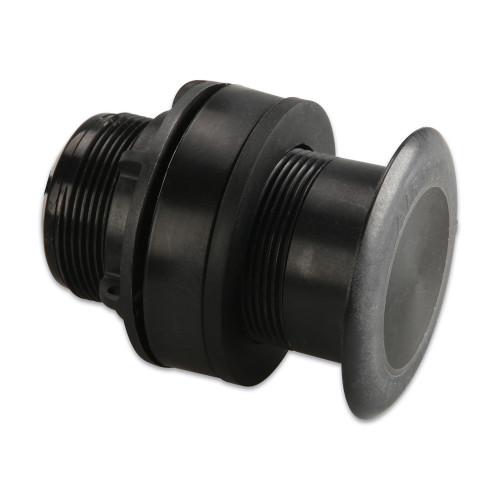
Garmin P319 Plastic Thru-Hull Depth/Temp Transducer, 8-Pin, 600W 50/200 kHz

Garmin Airmar B117 Bronze Thru-Hull Transducer, 50/200 kHz, 600W, Depth/Temp, 6-Pin
Out of stock
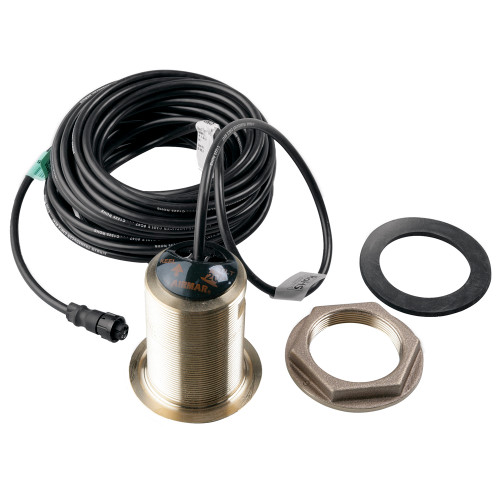
Garmin B60-20 Thru-Hull Transducer, Bronze, 50/200 kHz, 600W, Depth/Temp, 6-Pin
Out of stock

Garmin P79 Adjustable In-Hull Depth Transducer, 50/200 kHz, 600W, 6-Pin Connector, 0-22° Deadrise
Out of stock
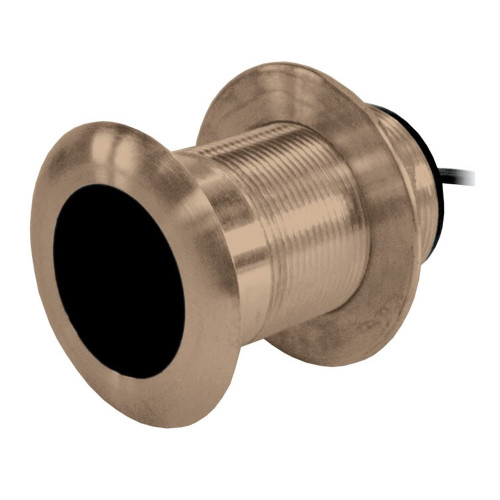
Garmin B117 Bronze Thru-Hull Depth/Temp Transducer, 8-Pin, 600W, 50-200 kHz
Out of stock