


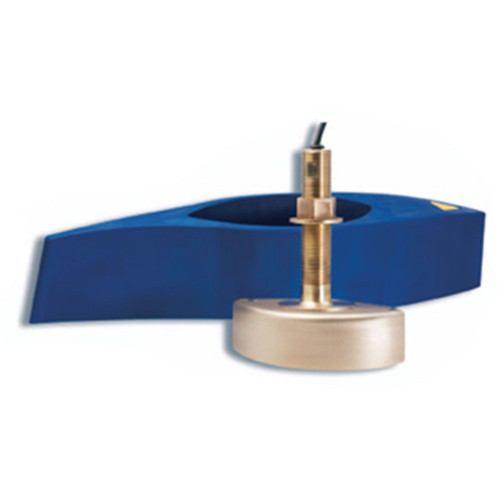
Simrad B258 Bronze Thru-Hull Depth/Temp Transducer, For BSM-1 Echosounder, 1kW, 50/200 kHz, 9-Pin, 500 m Max Depth

-
Perfect Fit, Guaranteed
Get the right part every time
-
Expert Support
Our in-house specialists know our products inside and out
-
Enhanced Value & Service
We go beyond the sale with professional and balanced services
-
Wordwide Delivery
Enjoy hassle-free worldwide delivery
Simrad B258 Bronze Thru-Hull Depth/Temp Transducer, For BSM-1 Echosounder, 1kW, 50/200 kHz, 9-Pin, 500 m Max Depth

Simrad B258 Bronze Thru-Hull Depth/Temp Transducer, For BSM-1 Echosounder, 1kW, 50/200 kHz, 9-Pin, 500 m Max Depth
Overview
The Simrad 000-13964-001 is a bronze thru-hull, stem-type transducer rated at 1 kW RMS that delivers traditional 50/200 kHz depth sounding plus water-temperature sensing through a 9-pin connector. It is commonly used on planing and sportfishing boats where you want clean bottom tracking while running, with a stated operating range from 1 knot up to 45 knots and depth performance up to 500 m (1640 ft).
A bronze housing and fairing-style installation put the face deeper in clean water, which helps when the boat is on plane. The physical envelope is about 108 x 178 x 203 mm (4.3 x 7 x 8 in) and the assembly weighs about 3.6 kg (7.9 lb), so plan for both outside fairing clearance and inside access for the retaining nut.
Key features
- 1 kW RMS conventional sonar with dual frequencies at 50 kHz and 200 kHz
- Depth and fast-response water-temperature sensing in one thru-hull sensor
- Stated maximum depth up to 500 m (1640 ft)
- Conventional beam patterns of 15° x 21° at 50 kHz and 3° x 5° at 200 kHz
- High-performance fairing supports solid returns at speed and accommodates hull deadrise up to 26°
- Specified operating range from 1 knot to 45 knots, with accurate echosounding maintained above 30 knots when installed in clean flow
Compatibility and fit
This transducer is intended for fiberglass or wood hulls. Bronze should not be mounted directly in a metal hull due to electrolytic corrosion risk, so it is not a match for aluminum or steel installations.
The stem uses an M30-2 thread and calls for a 30 mm (1-3/16 in) hull cutout for the main bore. On cored fiberglass, the core around the hole needs to be sealed properly and the inside diameter is often opened up for clearance before bedding and tightening.
On the electronics side, it outputs traditional 50/200 kHz sonar and temperature data. Make sure your display or sounder module has a compatible 9-pin transducer port, or plan on the correct adapter if your system uses a different connector style.
Installation and setup
Thru-hull placement matters as much as the transducer choice. Pick a spot that stays fully immersed and sees smooth water at speed, away from strakes, steps, intakes, and prop wash. The fairing should be aligned with the bow so it sheds aerated water and keeps the transducer face in clean flow.
Bed the housing with a marine sealant rated for below the waterline, tighten the nut from inside with good access, and check for leaks as soon as the boat goes back in the water. Route the cable so it is supported, avoids chafe, and stays separated from high-current wiring where possible.
On-water use
The 200 kHz channel gives a tighter beam for reading structure and bait on reefs, wrecks, and hard bottom in shallower water. The 50 kHz channel covers a wider slice of bottom and is often used when you are probing deeper water offshore.
This setup is a practical match for anglers who troll, run, and search over a wide range of depths and want stable depth plus temperature data without moving to a transom mount.
Maintenance and care
Keep the face clean of growth and avoid harsh solvents when wiping down the housing. In salt water, a transducer-safe, water-based antifouling coating can help, but keep paint off the acoustic window so it can transmit and receive properly.
We ship all in-store (FL) stock orders the same day if placed before 3 PM EST, Monday through Friday. Orders placed after this time will ship the next business day. Orders fulfilled from other warehouses or manufacturers may not ship the same day. If an item is out of stock, we will notify you promptly.
Related Products

Garmin B258 Bronze Thru-Hull Depth/Temp Transducer, 1kW, 50/200 kHz, 8-Pin
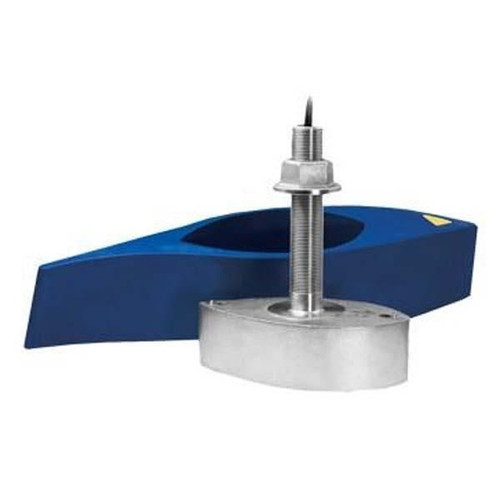
Simrad SS260 Thru-Hull Transducer, 1kW, 50/200kHz, 9-Pin, Depth/Temp

Garmin B260 Thru-Hull Depth/Temp Transducer, 8-Pin, 1kW, 50/200 kHz, Bronze, Fairing Block

Simrad SS60 Thru-Hull Depth/Temp Transducer, 50/200 kHz, 600W, Stainless Steel

Raymarine B258 Thru-Hull Transducer, Bronze, 1kW, 50/200 kHz, Fairing Block
Out of stock