


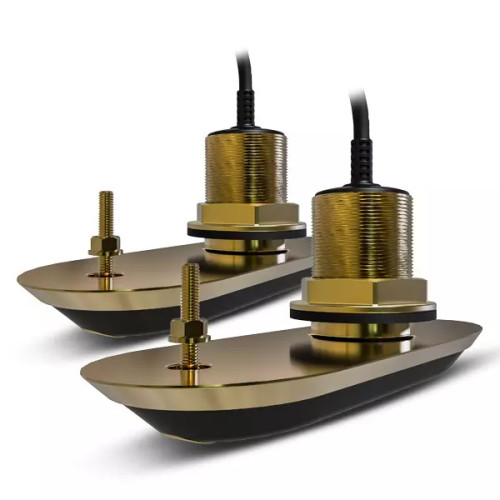
Raymarine RV-200 Series Bronze Through Hull Transducers, For Axiom+ RV and Axiom Pro and RVX-1000 Sonars, IPx6/IPx7/IPx8, RealVision 3D, CHIRP Sonar


-
Perfect Fit, Guaranteed
Get the right part every time
-
Expert Support
Our in-house specialists know our products inside and out
-
Enhanced Value & Service
We go beyond the sale with professional and balanced services
-
Wordwide Delivery
Enjoy hassle-free worldwide delivery
Raymarine RV-200 Series Bronze Through Hull Transducers, For Axiom+ RV and Axiom Pro and RVX-1000 Sonars, IPx6/IPx7/IPx8, RealVision 3D, CHIRP Sonar

Raymarine RV-200 Series Bronze Through Hull Transducers, For Axiom+ RV and Axiom Pro and RVX-1000 Sonars, IPx6/IPx7/IPx8, RealVision 3D, CHIRP Sonar
Overview
The Raymarine RV-200 Series is a family of bronze through-hull RealVision 3D transducers for Axiom+ RV, Axiom Pro, and RVX-1000 sonar systems. It gives boat owners a clean below-waterline installation with CHIRP sonar, DownVision, SideVision, and RealVision 3D in the same transducer platform, so it can handle fish targeting, bottom detail, and structure viewing from one system.
This series is built around a cast bronze through-hull body for fiberglass or wooden hulls, with offset options for different hull deadrise angles. The transducer body measures 308.00 mm long by 105.30 mm wide, with a 166.00 mm installed height including cable bend radius, and the unit weight is 2.588 kg.
For real use on a powerboat, the RV-200 Series is most useful where a flush, through-hull sonar installation is preferred over a transom-mount sensor. The built-in AHRS helps stabilize 3D sonar imagery as the boat moves, and the fast-response water temperature sensor adds a useful reading for fishing and cruising.
Key features
- Bronze through-hull construction for fiberglass or wooden hull installations.
- RealVision 3D sonar support with CHIRP sonar, DownVision, SideVision, and high-frequency CHIRP fish targeting.
- Compatible with Raymarine Axiom+ RV, Axiom Pro, and RVX-1000 sonar systems.
- Offset choices cover 0°, 12°, and 20° installations, helping match the transducer setup to the hull shape.
- Built-in AHRS stabilizes 3D sonar imagery by compensating for boat motion.
- Waterproof ratings include IPx6 for surfaces exterior to the hull, plus IPx7 and IPx8 protection.
- Operating temperature range is -2° C to +55° C for normal marine use.
- Low-profile through-hull form helps reduce drag and avoids the need for a fairing block in typical installations.
Variants
The RV-200 Series varies by offset angle, port or starboard configuration, and included cable set. The range includes a single 0° transducer option, 12° port and starboard options, 20° port and starboard options, and paired pack configurations that include the Y-cable and 8 m extension cable.
The 12° and 20° options are used where hull deadrise calls for angled port and starboard transducers, while the 0° version suits flatter mounting locations. Individual port or starboard units include a 2 m extension cable, while pack configurations include an 8 m extension cable plus a 2 m Y-cable for connecting the pair into the sonar system.
Installation and fit
This is a through-hull transducer series, so installation requires a suitable hull location with clean water flow and access inside the boat for the hull nut, anti-rotation hardware, cable routing, and service clearance. The bronze body makes the series appropriate for fiberglass and wooden hulls, and the offset angle should be matched to the vessel’s deadrise at the mounting position.
The RV-200 Series is a practical match for inboard and outboard powerboats used for fishing, coastal cruising, and structure scanning where a permanently mounted sonar sensor is preferred. The near-flush profile is also useful for trailered boats because the transducer does not hang down like many external transom-mount options.
Electrical and system integration
The transducer connects into Raymarine RealVision-capable sonar systems rather than a basic depth-only display. When planning the install, confirm that the onboard display or sonar module supports RealVision 3D and that the selected cable length and port or starboard configuration match the vessel layout.
For pair installations, the Y-cable arrangement brings the port and starboard transducers together for the sonar connection. This matters on deeper-V hulls where a single centered transducer may not give the same viewing geometry as a matched pair.
Maintenance and care
As with any through-hull transducer, the outside face should be kept clean and free of heavy fouling so sonar returns stay consistent. Check the cable route, connector collar, and inside-hull hardware during regular service, especially after haul-out, bottom painting, or work around the bilge.
We ship all in-store (FL) stock orders the same day if placed before 3 PM EST, Monday through Friday. Orders placed after this time will ship the next business day. Orders fulfilled from other warehouses or manufacturers may not ship the same day. If an item is out of stock, we will notify you promptly.
Related Products


Raymarine RV-300 Series Plastic Thru-Hull Transducers, For Axiom+ RV, Axiom Pro and RVX-1000 Sonars, RealVision 3D


Raymarine Axiom Pro 9 RVX Multifunction Display, No Transducer, RealVision 3D Sonar, 1kW CHIRP Sonar, North America Charts
Out of stock


Raymarine Axiom+ RV Chartplotter Fishfinder, RealVision 3D, 600W Sonar, GPS

Raymarine Axiom Pro 16 RVX Multifunction Display, No Transducer, Navionics+ North America Charts, RealVision 3D Sonar, 1kW CHIRP Sonar, HybridTouch Control
Out of stock


Raymarine RV-400 Series Through-Hull Transducers, RealVision 3D, CHIRP, Stainless Steel