


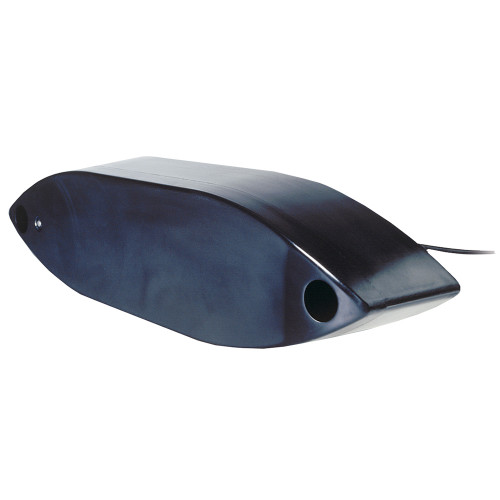
Garmin B275LH-W Bronze Thru-Hull CHIRP Transducer, 1 kW, 42-65/150-250 kHz, 25° Wide Beam, 12-Pin, Temp Sensor, With Fairing


-
Perfect Fit, Guaranteed
Get the right part every time
-
Expert Support
Our in-house specialists know our products inside and out
-
Enhanced Value & Service
We go beyond the sale with professional and balanced services
-
Wordwide Delivery
Enjoy hassle-free worldwide delivery
Garmin B275LH-W Bronze Thru-Hull CHIRP Transducer, 1 kW, 42-65/150-250 kHz, 25° Wide Beam, 12-Pin, Temp Sensor, With Fairing

Garmin B275LH-W Bronze Thru-Hull CHIRP Transducer, 1 kW, 42-65/150-250 kHz, 25° Wide Beam, 12-Pin, Temp Sensor, With Fairing
Overview
The Garmin 010-12183-20 is a 1 kW bronze thru-hull CHIRP transducer with a 12-pin plug, covering CHIRP Low 42-65 kHz and CHIRP High 150-250 kHz.
The high band holds a constant 25° beam across 150-250 kHz, so you see a wider slice of bottom and water column without having to run tight passes over a mark. Low band is rated down to 914 m (3,000 ft) and the high wide band is rated down to 152 m (500 ft), depending on conditions.
It is specified for fiberglass or wood hulls on boats 8 m (25 ft) and up, and it installs through a 30 mm (1-3/16") hull hole with a high-performance fairing that helps keep the element in clean flow at speed.
Key features
- 1 kW CHIRP Low (42-65 kHz) plus CHIRP High (150-250 kHz) in one thru-hull transducer.
- High wide beam stays at 25° across the full 150-250 kHz range for steady coverage under the boat.
- Depth rating up to 914 m (3,000 ft) on low band and up to 152 m (500 ft) on the high wide band.
- Depth and water-temperature sensing (no paddlewheel speed sensor).
- Bronze thru-hull housing with a high-performance fairing that supports broadband readings at speeds over 30 knots when the install is in solid water.
- 30 mm (1-3/16") thru-hull hole requirement, usable shaft length 121 mm (4.75"), and deadrise support up to 20° with the fairing.
- 12-pin Garmin connector for direct connection to compatible Garmin CHIRP sonar ports.
What's included
- Bronze thru-hull transducer with attached 12-pin cable
- High-performance fairing
Compatibility and fit
This is the B275LHW (often listed as B275LH-W) style transducer with an OEM Garmin 12-pin connector. It requires a Garmin sonar device or sonar module that accepts a 12-pin transducer and supports CHIRP on both the low and high bands.
The bronze housing is specified for fiberglass or wood hulls. On aluminum hulls, a different housing material is commonly used to avoid galvanic issues at the thru-hull.
Installation and setup
A thru-hull install needs access to both sides of the hull for drilling, bedding, and tightening the stem. The fairing is shaped to match the hull and aligned so water flows smoothly past the acoustic window.
Most installs work best when the transducer is placed where the water stays solid and free of bubbles when running, away from strakes, intakes, and other fittings that introduce aeration. The fairing work matters on this style of transducer, so many owners have a yard or installer handle the cutout and final shaping.
Use cases on board
The wide high band suits anglers who want to cover more area under the boat while tracking bait and fish over reefs, wrecks, and open-water structure. The low band supports deeper drops when you run offshore or fish along the edge in several hundred feet and beyond.
Maintenance and care
Inspect the stem nut and bedding periodically, especially after the first trips and after haul-outs. Keep growth off the fairing and acoustic window, and avoid scraping that can gouge the urethane face.
We ship all in-store (FL) stock orders the same day if placed before 3 PM EST, Monday through Friday. Orders placed after this time will ship the next business day. Orders fulfilled from other warehouses or manufacturers may not ship the same day. If an item is out of stock, we will notify you promptly.
Related Products

Simrad xSonic B275LH-W Bronze Thru-Hull CHIRP Transducer, 42-65 kHz Low, 150-250 kHz High, 1 kW, 25° Wide Beam, 9-Pin, With Fairing Block

Raymarine B275LH-W Thru-Hull CHIRP Transducer, 1kW, 42-65/150-250 kHz, 25° Beam, Bronze, Fairing Block
Out of stock

Simrad R509LH-W Thru-Hull Low/High CHIRP Transducer, 2-3 kW, 28-60/150-250 kHz, 25 Deg High-Wide Beam, Depth/Temp Sensor, Fairing Block
Out of stock
Garmin Airmar 509LHW Thru-Hull Transducer, 3 kW, CHIRP Low 28-60 kHz, CHIRP High Wide 150-250 kHz, Temperature Sensor, Bare Wire
Out of stock

Garmin B265LH Bronze Thru-Hull Transducer, 12-Pin, 1 kW, Low/High CHIRP, 3,000 ft, Depth/Temp