


Garmin B265LM Bronze Thru-Hull CHIRP Transducer, For GSD 26 CHIRP Sonar Module, 1 kW, Depth/Temperature, 42-65 and 85-135 kHz, 3,000 ft Max Depth, 39 ft Cable, 0-20 Degree Deadrise, Bare Wire


-
Perfect Fit, Guaranteed
Get the right part every time
-
Expert Support
Our in-house specialists know our products inside and out
-
Enhanced Value & Service
We go beyond the sale with professional and balanced services
-
Wordwide Delivery
Enjoy hassle-free worldwide delivery
Garmin B265LM Bronze Thru-Hull CHIRP Transducer, For GSD 26 CHIRP Sonar Module, 1 kW, Depth/Temperature, 42-65 and 85-135 kHz, 3,000 ft Max Depth, 39 ft Cable, 0-20 Degree Deadrise, Bare Wire
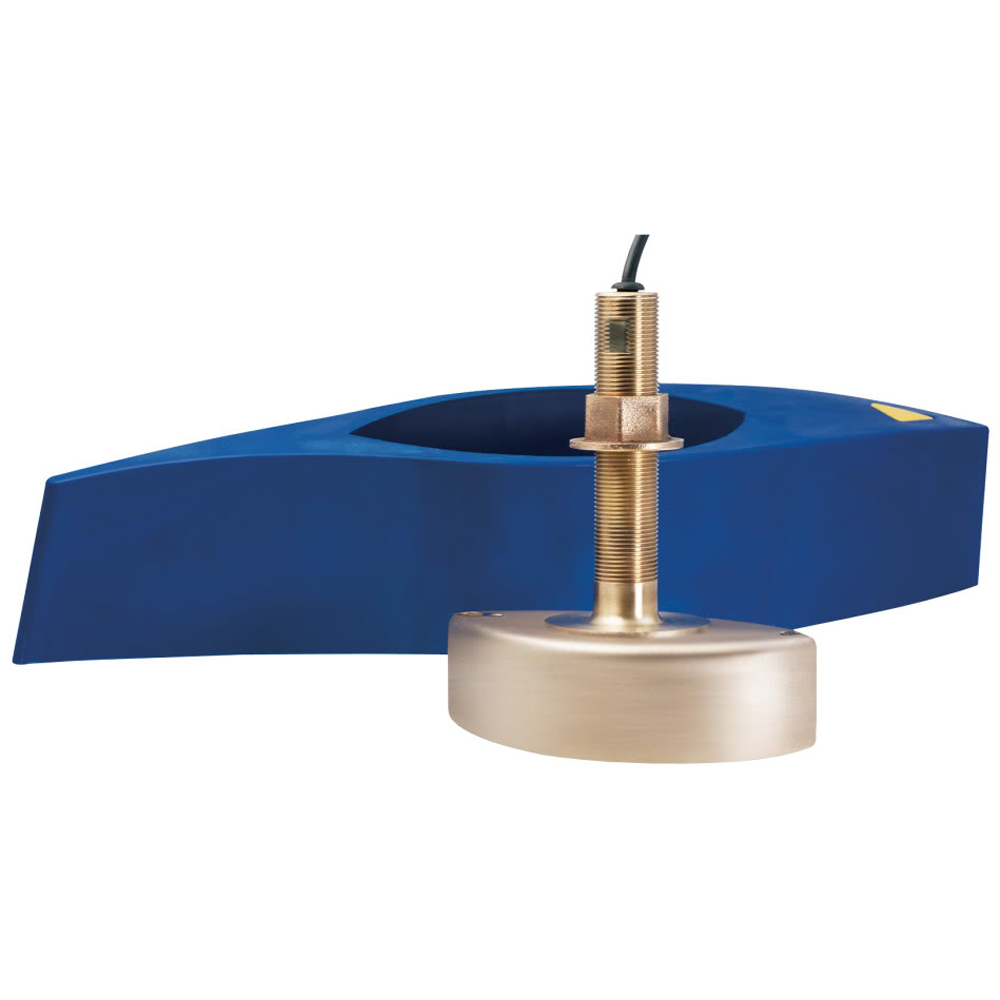
Garmin B265LM Bronze Thru-Hull CHIRP Transducer, For GSD 26 CHIRP Sonar Module, 1 kW, Depth/Temperature, 42-65 and 85-135 kHz, 3,000 ft Max Depth, 39 ft Cable, 0-20 Degree Deadrise, Bare Wire
Overview
The Garmin 010-11647-20 is a bronze thru-hull mount transducer that supplies depth and temperature data for a compatible sonar setup. It is rated at 1 kW and is specified for depths up to 3,000 ft, making it a good fit when you need bottom tracking that holds up in deeper water.
This model covers two frequency ranges, 42 to 65 kHz and 85 to 135 kHz, so you can work with different bottom conditions and target depths. Beamwidth is specified at 16 to 25 degrees and 11 to 16 degrees, and the housing is intended to match hull deadrise from 0 to 20 degrees.
Key features
- Bronze thru-hull transducer for below-waterline mounting with depth and temperature sensing
- 1 kW power rating with specified depth capability up to 3,000 ft
- Operating frequency ranges: 42 to 65 kHz and 85 to 135 kHz
- Specified beamwidth ranges of 16 to 25 degrees and 11 to 16 degrees
- Designed to suit hull deadrise angles from 0 to 20 degrees
- Listed compatibility with the Garmin GSD 26 CHIRP Professional Sonar Module
Compatibility and fit
This transducer is intended to be paired with a compatible sonar module and display setup, and it is specifically listed for use with the Garmin GSD 26 CHIRP Professional Sonar Module. Before ordering, confirm your sonar hardware supports the operating frequency ranges shown for this model and that your hull deadrise falls within the 0 to 20 degree specification.
Because it is a thru-hull style, plan for access to both sides of the mounting location for installation and service. Make sure the chosen spot stays in clean water flow underway, away from steps, strakes, intakes, and turbulence that can affect sounder performance.
Installation and setup
Thru-hull mounting requires drilling the correct hull opening, bedding the housing properly, and tightening to the recommended torque so the seal remains stable through vibration and temperature swings. Take time to dry-fit the location, check clearance for tools and cable routing, and keep the cable run protected from chafe in bilges and rigging spaces.
After installation, use your electronics setup steps to confirm the transducer selection, temperature reading, and depth performance at idle and on plane. A quick check at the dock and again after the first run helps catch any seepage or cable strain early.
Use on board
This transducer suits boats that spend time offshore or in areas where deeper soundings matter, and it is also a practical choice for anglers who want bottom information that remains readable when conditions change. It works well on cruising powerboats and larger sailboats where a thru-hull install is preferred for consistent readings at speed.
Maintenance and care
Inspect the thru-hull area regularly for signs of loosening, seepage, or impact damage, especially after trailering, haul-outs, or grounding events. Keep the exterior face clean of heavy growth and paint buildup so the sonar signal is not muted, and recheck the sealing surfaces during routine bottom service.
We ship all in-store (FL) stock orders the same day if placed before 3 PM EST, Monday through Friday. Orders placed after this time will ship the next business day. Orders fulfilled from other warehouses or manufacturers may not ship the same day. If an item is out of stock, we will notify you promptly.
Related Products

Garmin PM265LM 1kW Pocket Mount Transducer, Depth & Temperature, 42-65/85-135 kHz, 3,000 ft Max Depth, Bronze, Bare Wire
Out of stock

Garmin B265LH Bronze Thru-Hull Transducer, 12-Pin, 1 kW, Low/High CHIRP, 3,000 ft, Depth/Temp

Garmin Intelliducer NMEA 2000 Thru-Hull Depth/Temp Transducer, 0-12° Deadrise, 150W, 160 kHz, 900 ft Max Depth
Out of stock

Garmin P79 In-Hull Depth Transducer, NMEA 2000, 235 kHz, 500 ft Depth, 0-22° Deadrise
Out of stock

Garmin Airmar B619 Bronze Thru-Hull Transducer, 8-Pin, 500 W, 77/200 kHz, Depth/Temperature, 900 ft Max Depth, 30 ft Cable