


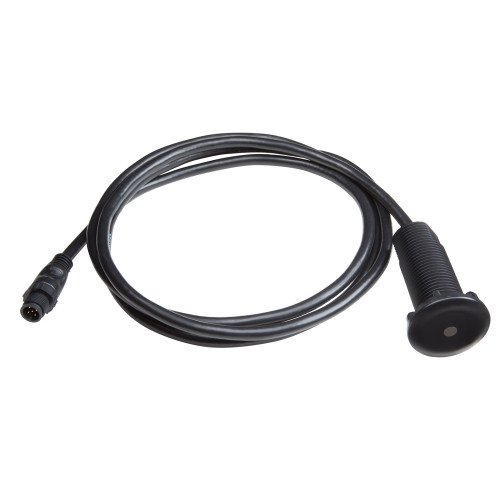
Garmin Marine Heading Sensor Cable, NMEA 2000, 6 m


-
Perfect Fit, Guaranteed
Get the right part every time
-
Expert Support
Our in-house specialists know our products inside and out
-
Enhanced Value & Service
We go beyond the sale with professional and balanced services
-
Wordwide Delivery
Enjoy hassle-free worldwide delivery
Garmin Marine Heading Sensor Cable, NMEA 2000, 6 m

Garmin Marine Heading Sensor Cable, NMEA 2000, 6 m
Overview
The Garmin 010-11419-00 is a 19.7 ft (6 m) NMEA 2000 cable used to connect a marine heading sensor to an NMEA 2000 network. It gives you enough length to mount the sensor where it can read clean heading data while still reaching the nearest backbone connection point.
On most boats, the heading sensor ends up away from the main electronics hub to reduce magnetic interference and vibration effects. This cable is meant for that real-world routing, from a sensor location under a berth or console to the closest NMEA 2000 T-connector on the backbone.
This is a good match for vessels that already have an NMEA 2000 backbone in place and need a 6 m run to tie a heading sensor into the network for navigation and autopilot use.
Key features
- NMEA 2000 network cable for connecting a marine heading sensor into an NMEA 2000 backbone
- 19.7 ft (6 m) length for runs from the sensor mounting area to the nearest T-connector or backbone location
- Helps keep sensor placement flexible when the backbone is not close to the preferred mounting spot
- Useful for clean cable routing through bulkheads, under decks, and behind helm stations where extra length matters
Compatibility and fit
This cable is intended for installations where the heading sensor connects through NMEA 2000. Before ordering, confirm your boat has an NMEA 2000 backbone with a free connection point and that the cable run length makes sense for your planned sensor mounting location.
Installation and setup
Plan the route first, then secure the cable so it will not rub on sharp fiberglass edges or get pulled tight when panels are opened. Leave gentle service loops at the sensor and at the network connection point so the connectors are not under constant strain.
When routing through bilges, consoles, or lockers, keep the cable away from high-current wiring and sources of electrical noise where possible, and use proper chafe protection at every pass-through. A drip loop near the sensor and at the network connection helps reduce the chance of water tracking into connectors.
Use cases on board
Common installs include mounting a heading sensor in a dry, central location and running this cable back to the backbone under the helm, behind a navigation station, or inside an electronics locker. It is also helpful on larger center consoles and sportfishers where the backbone is concentrated at the dash but the best sensor location is several meters away.
We ship all in-store (FL) stock orders the same day if placed before 3 PM EST, Monday through Friday. Orders placed after this time will ship the next business day. Orders fulfilled from other warehouses or manufacturers may not ship the same day. If an item is out of stock, we will notify you promptly.
Related Products

Garmin Marine Heading Sensor Cable, NMEA 0183, 32.8 ft (10 m)
Out of stock

Garmin Heading Sensor, NMEA 2000/NMEA 0183, 3-Axis Compass, IPX6
Out of stock
Garmin GTEMP10-TH Thru-Hull Temp Sensor, NMEA 2000, 6 ft Cable
Out of stock

Garmin NMEA 2000 Backbone/Drop Cable, 6 m, Micro-C, Case of 8

Garmin NMEA 2000 Backbone/Drop Cable, 2 m (6 ft), Case of 10