


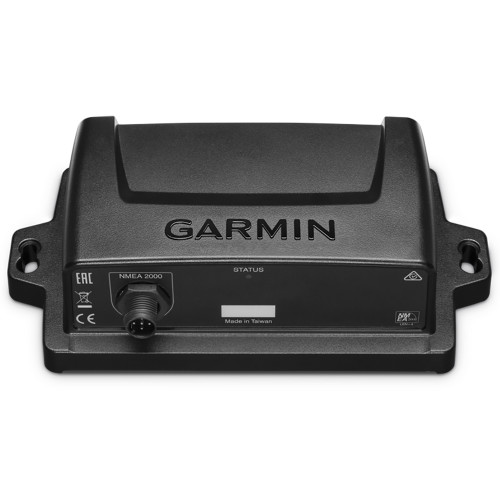
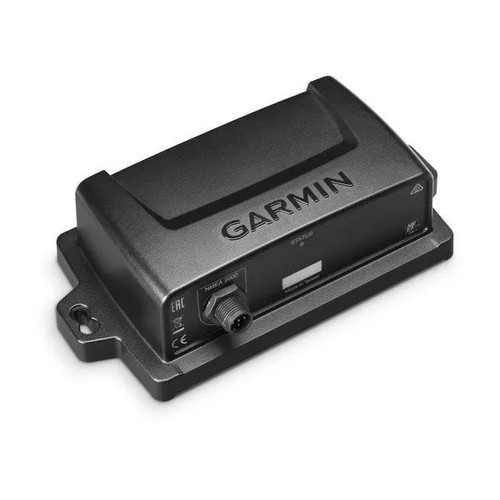
Garmin 9-Axis Heading Sensor, NMEA 2000, ±2° Accuracy, 10 Hz Output



-
Perfect Fit, Guaranteed
Get the right part every time
-
Expert Support
Our in-house specialists know our products inside and out
-
Enhanced Value & Service
We go beyond the sale with professional and balanced services
-
Wordwide Delivery
Enjoy hassle-free worldwide delivery
Garmin 9-Axis Heading Sensor, NMEA 2000, ±2° Accuracy, 10 Hz Output

Garmin 9-Axis Heading Sensor, NMEA 2000, ±2° Accuracy, 10 Hz Output
Overview
The Garmin 010-11417-20 is a 9-axis heading sensor that puts vessel heading onto your NMEA 2000 network at a 10 Hz update rate, with +/-2 degrees heading accuracy.
It also sends rate-of-turn data at 10 Hz and attitude data at 1 Hz, which helps keep radar overlay, MARPA tracking, and heading lines behaving the way you expect when the boat is moving slowly or working in rough water.
The sensor runs from the NMEA 2000 network (9 to 16 Vdc), draws LEN 4 (200 mA at 9 Vdc), and comes in an IPX7-rated housing made from high-impact plastic with full gasketing. Physical size is 170 x 90 x 50 mm (6.7 x 3.5 x 2 in.) and weight is 200 g (7 oz.).
Key features
- NMEA 2000 heading sensor with fast 10 Hz vessel heading output and +/-2 degrees heading accuracy
- Rate of turn output at 10 Hz plus attitude data at 1 Hz for systems that use heel and trim information
- Transmits NMEA 2000 PGNs 127250 (vessel heading), 127251 (rate of turn), and 127257 (attitude data); receives 127258 (magnetic variation)
- NMEA 2000 input voltage range from 9 to 16 Vdc; LEN 4 (200 mA at 9 Vdc) for network load planning
- IPX7 water resistance and a housing that is gasketed and sealed for damp locations on board
- Temperature range from -15 to 70 C for typical coastal and offshore operating conditions
What’s included
- 9-axis heading sensor
- NMEA 2000 T-connector
- NMEA 2000 drop cable
- Mounting screws
- Documentation
Installation and setup
This sensor does not need a view of the sky. Placement matters more than anything else: keep it away from strong magnets (speakers are a common culprit) and from ferrous metal that can skew the compass. A handheld compass is a quick way to sanity-check a spot before you drill.
For best results, mount it horizontally on a rigid surface and orient it so the cable faces toward the bow. If you use alternate fasteners, use stainless or brass hardware and avoid anything that shows magnetic pull when tested with a handheld compass.
Calibration and heading alignment
After it is on the NMEA 2000 backbone, run calibration so the sensor can learn the magnetic environment on your boat. When a compatible Garmin chartplotter is on the same network, calibration can be done through the chartplotter menus. On mixed-brand networks, basic calibration can be completed using a connected display that can show the sensor’s heading data.
Heading alignment can be set automatically when a GPS source is present on the NMEA 2000 network. Some alignment steps require the boat to reach at least 6.4 km/h (4 mph), so plan to do the final checks in open water.
Use cases on board
This is a strong fit for boats that rely on stable heading for radar overlay, MARPA, autopilot steering, or for sailboats where consistent heading helps when the boat is heeled. It is also useful on fishing and cruising boats that spend time at low speed, where GPS course-over-ground can lag behind what the bow is actually doing.
We ship all in-store (FL) stock orders the same day if placed before 3 PM EST, Monday through Friday. Orders placed after this time will ship the next business day. Orders fulfilled from other warehouses or manufacturers may not ship the same day. If an item is out of stock, we will notify you promptly.
Related Products


Garmin SteadyCast Heading Sensor, NMEA 2000, 9-32 VDC, IPX7, 10 Hz, +/-3° Accuracy

Garmin Heading Sensor, NMEA 2000/NMEA 0183, 3-Axis Compass, IPX6
Out of stock

Garmin GPS 24xd NMEA 2000 GPS Sensor, Remanufactured, Magnetic Heading Sensor, Multi-Band GNSS, 10 Hz, IPX7
Out of stock

Garmin Marine Heading Sensor Cable, NMEA 2000, 6 m
Out of stock
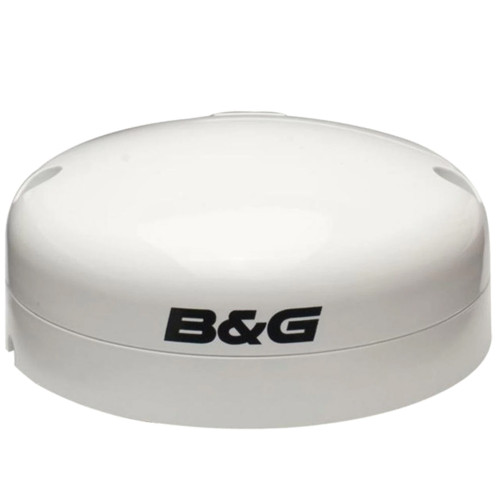
B&G ZG100 GPS Antenna, 10 Hz, NMEA 2000, Heading Sensor, IPX7, Heel & Trim Sensors