


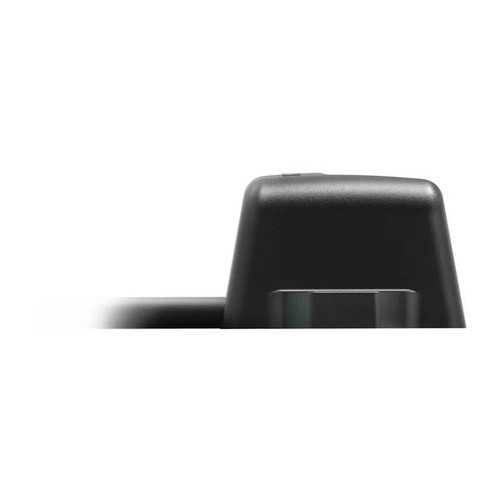
Garmin SteadyCast Heading Sensor, NMEA 2000, 9-32 VDC, IPX7, 10 Hz, +/-3° Accuracy


-
Perfect Fit, Guaranteed
Get the right part every time
-
Expert Support
Our in-house specialists know our products inside and out
-
Enhanced Value & Service
We go beyond the sale with professional and balanced services
-
Wordwide Delivery
Enjoy hassle-free worldwide delivery
Garmin SteadyCast Heading Sensor, NMEA 2000, 9-32 VDC, IPX7, 10 Hz, +/-3° Accuracy

Garmin SteadyCast Heading Sensor, NMEA 2000, 9-32 VDC, IPX7, 10 Hz, +/-3° Accuracy
Overview
The Garmin 010-11417-10 is a NMEA 2000 heading sensor that keeps your chartplotter’s heading line and bow orientation in sync with the boat, even at low speed or when you are stopped. It outputs heading at 10 Hz with ±3° accuracy, so the on-screen view stays steady while you troll, drift, or set up a cast.
Power comes from the NMEA 2000 network (9 to 32 V DC), and the sensor can be mounted in any orientation as long as it is located away from magnetic interference. The housing carries an IPX7 water rating and measures 3.4 in x 2.1 in x 1.3 in, which helps when you are fitting it under a console or in other protected mounting spots.
Key features
- NMEA 2000 plug-and-play connection with an integrated 6 ft drop cable
- Heading output at 10 Hz with ±3° accuracy for a stable heading line on compatible displays
- 9-axis MEMS sensor package supports installation in any orientation when placed away from magnetic interference
- Calibration support through compatible Garmin chartplotters, with a basic calibration method for other NMEA 2000 displays
- IPX7 water rating for wet marine environments
- Compact sensor body (3.4 in x 2.1 in x 1.3 in) for easy placement in tight spaces
What’s included
- Heading sensor with integrated NMEA 2000 drop cable (6 ft)
- NMEA 2000 T-connector
- Documentation
Installation and setup
Mount the sensor where it will stay level with the boat and where it will not be affected by magnets or large ferrous objects. Common troublemakers include speakers, tool storage, and heavy-gauge power runs. The unit does not need to be mounted “upright,” but it does need a clean magnetic environment to hold its heading accuracy.
Connect the drop cable to a T-connector on your NMEA 2000 backbone. If the integrated drop cable does not reach your backbone, a drop cable extension up to 4 m (13 ft) can be used within NMEA 2000 guidelines.
Compatibility and network integration
This sensor is built for NMEA 2000 networks and is meant to supply heading data to chartplotters and marine displays that can read it. During calibration, avoid having multiple compass-based heading sources active on the network at the same time, since competing heading data can make setup and troubleshooting harder.
Use cases on board
This is a good match for fishing boats where you want the bow direction on the chart to match what the boat is actually doing while you work structure at slow speed. It also suits boats that spend time maneuvering in tight areas, where a steady heading line makes it easier to interpret what the plotter is showing in real time.
Maintenance and care
After the first few trips, recheck the mounting and cable routing and make sure nothing magnetic has been stored near the sensor. If the sensor is moved to a new location or the surrounding hardware changes, plan on recalibrating so the heading stays consistent.
We ship all in-store (FL) stock orders the same day if placed before 3 PM EST, Monday through Friday. Orders placed after this time will ship the next business day. Orders fulfilled from other warehouses or manufacturers may not ship the same day. If an item is out of stock, we will notify you promptly.
Related Products
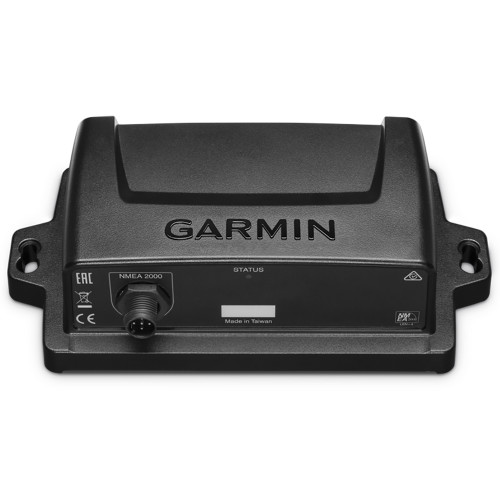

Garmin 9-Axis Heading Sensor, NMEA 2000, ±2° Accuracy, 10 Hz Output
Out of stock

Garmin GPS 24xd NMEA 2000 GPS Sensor, Remanufactured, Magnetic Heading Sensor, Multi-Band GNSS, 10 Hz, IPX7
Out of stock
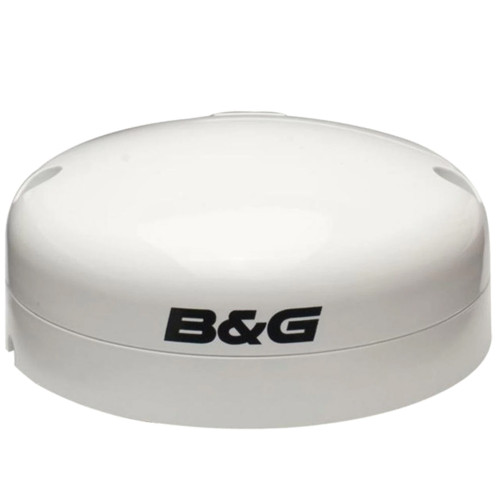
B&G ZG100 GPS Antenna, 10 Hz, NMEA 2000, Heading Sensor, IPX7, Heel & Trim Sensors

Garmin GPSMAP Keyed Networking Chartplotter, Garmin Marine Network, NMEA 2000, NMEA 0183, 10 Hz GPS/GLONASS, Wi-Fi, IPX7

Garmin Heading Sensor, NMEA 2000/NMEA 0183, 3-Axis Compass, IPX6
Out of stock